
Guilty verdict in Tupac Shakur’s 1996 murder as jury convicts Duane Davis of orchestrating shooting
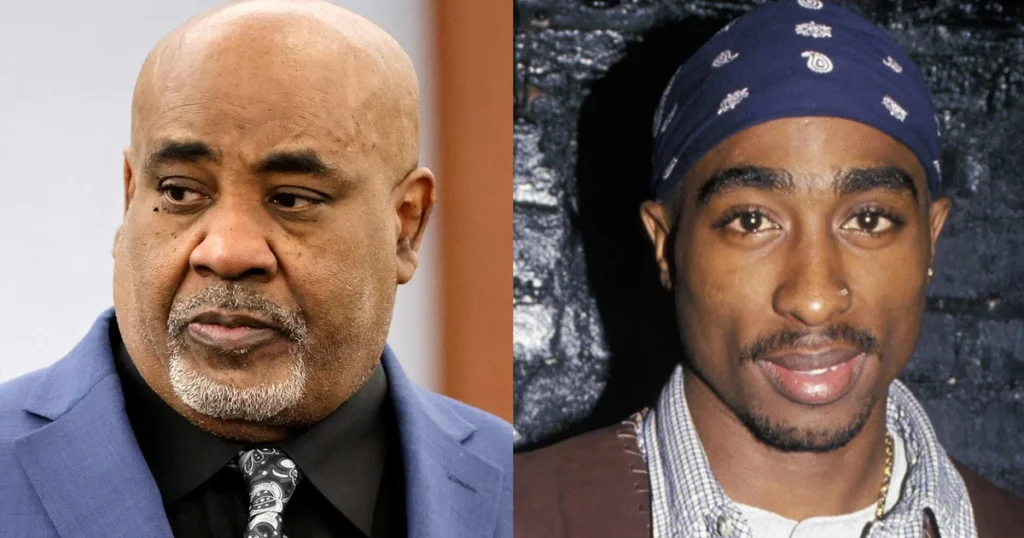
Guilty Verdict in Tupac Shakur Murder Trial
Bizeconanalysis.com – After twenty-eight years of unanswered questions, a Las Vegas jury finally delivered a guilty verdict in Tupac Shakur’s 1996 murder case. On Monday, Duane “Keffe D” Davis, 63, was found guilty of murder with a deadly weapon committed with intent to further a criminal gang. It marks the first-ever conviction tied to the September 7, 1996 shooting that killed the rapper and left Death Row Records co-founder Marion “Suge” Knight wounded at a Las Vegas intersection.
Davis had pleaded not guilty. Prosecutors announced that evening they would voluntarily drop the gang-enhancement layer of the charge over witness-availability concerns, but the underlying murder conviction remains intact. Davis now faces a potential life sentence.
What Happened That Night in Las Vegas
The evening of September 7, 1996, Shakur was behind the wheel when his car stopped at a traffic signal. A white Cadillac pulled alongside. Multiple shots struck Shakur; Knight, seated nearby, was also hit but survived. Shakur died six days later at age 25, leaving behind a body of work that reshaped hip-hop and popular culture globally.
No charges followed for years. The case became a permanent fixture of true-crime discourse, with endless speculation about who sat in the Cadillac, who pulled the trigger, and what motive drove the attack. The mystery began to unravel when Davis publicly described his role: he said he sat in the Cadillac and passed a firearm to passengers in the rear seat. He framed the shooting as retaliation—hours earlier, Knight and members of Shakur’s entourage had beaten Davis’ nephew, Orlando “Baby Lane” Anderson, in a clash rooted in the long-running rivalry between the South Side Compton Crips and the Mob Piru, street gangs closely tied to dueling labels Bad Boy Records and Death Row Records.
Nine Days of Trial, Three Hours of Deliberation
The courtroom proceedings stretched across nine days. A panel of sixteen jurors—four serving as alternates—heard testimony from twenty-four prosecution witnesses and three defense witnesses. Yet once deliberation began, the jury returned its verdict in under three hours.
In the gallery, Shakur’s sister Sekyiwa “Set” Shakur broke into tears and reached back toward someone seated behind her. Davis’ own son sat nearby, covering his face with one hand as the result was read aloud.
How the Prosecution Built Its Case
Chief Deputy District Attorney Binu Palal structured the state’s theory around premeditation. His argument: after the beating of his nephew, Davis acquired a firearm and set out to find Shakur and Knight. Witnesses and Davis’ own shifting accounts described the group searching the streets before spotting the rapper, executing a U-turn, and positioning the Cadillac for the ambush.
“It’s a plan, not an impulse,” Palal told the jury in closing.
Palal stressed that under Nevada law, a person who aids another in committing murder can be convicted of the crime itself even without pulling the trigger. Prosecutors never claimed Davis fired the weapon; their position was that he supplied the gun and directed the attack, making him criminally liable for the outcome.
The state also introduced Davis’ 2019 memoir, Compton Street Legend, and played an interview in which Davis urged readers to buy the book for the “real truth.” Though the book carries a disclaimer that some facts were altered, Palal argued the central shooting narrative remained consistent across years of statements.
“The core facts remain. The material facts remain,” Palal told the jury.
He dismissed the defense’s suggestion that Davis fabricated his story for financial gain: “It is an entirely different proposition to be profiting from a murder.”
Frequently Asked Questions
Who was convicted in the Tupac Shakur murder case? Duane “Keffe D” Davis, 63, was found guilty of murder with a deadly weapon. He is the first person ever convicted in connection with the September 1996 shooting.
What sentence does Davis face? Davis faces a potential life sentence. The state voluntarily dismissed the gang-enhancement portion of the charge, but the core murder conviction stands.
Did Davis pull the trigger? Prosecutors did not argue that Davis fired the weapon. Their theory was that he supplied the gun and ordered the attack, which under Nevada law makes him criminally responsible for the murder.
How long did the trial last? The trial spanned nine days of testimony. Jury deliberation lasted less than three hours before the guilty verdict was returned.
What was the alleged motive? Prosecutors argued the shooting was premeditated retaliation. Hours before the gunfire, Knight and Shakur’s entourage had beaten Davis’ nephew, Orlando “Baby Lane” Anderson, in a confrontation tied to the South Side Compton Crips–Mob Piru rivalry.