
Army Secretary Dan Driscoll considering stepping down, sources say
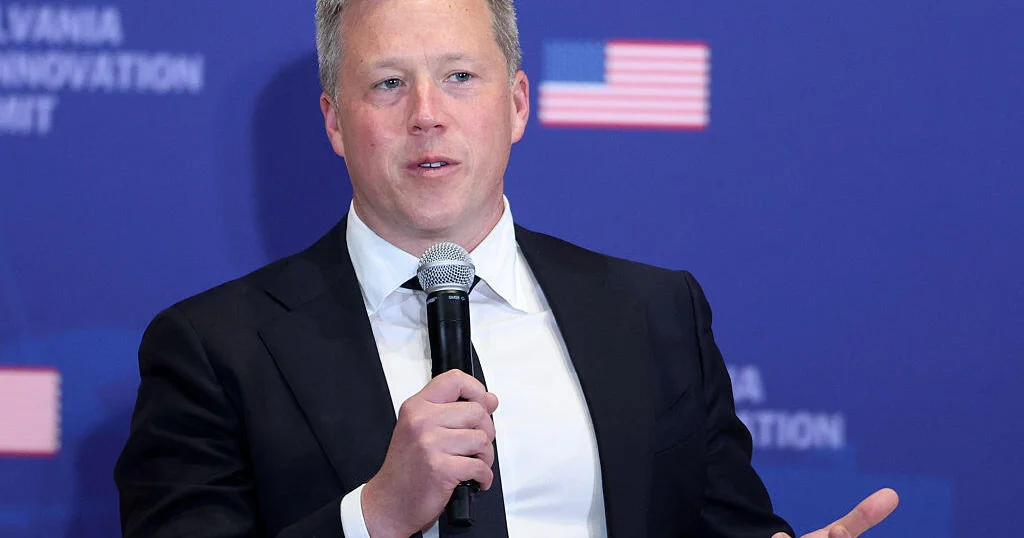
Army Secretary Dan Driscoll Weighs Departure as Pentagon Leadership Tensions Deepen
Bizeconanalysis.com – U.S. Army Secretary Dan Driscoll is reportedly evaluating whether to leave his post before the calendar year closes, according to two individuals with direct knowledge of the situation. The potential exit would come roughly ten months after the Senate confirmed him to the role in February 2025, and it would land amid a period of sustained internal conflict within the Department of Defense’s senior leadership. A Pentagon spokesperson pointed inquiries toward the Army for an official response, and the Army had not issued a statement as of the latest reporting.
The Wall Street Journal broke the story first, and it quickly rippled through defense circles. If Driscoll does step down, the move would mark one of the shortest tenures in recent memory for a civilian head of the Army and would leave the service without a confirmed secretary at a moment when operational questions about unmanned warfare, force structure, and institutional reform remain unresolved.
A Fracture at the Top
Behind the reported deliberation sits months of quiet but persistent friction between Driscoll and Defense Secretary Pete Hegseth. The most visible rupture came in early April, when Hegseth directed Gen. Randy George to vacate his position as Army chief of staff and accept early retirement. George had been a close personal friend of Driscoll, and his removal was widely read as a signal that the two men’s institutional loyalties had begun to diverge from the secretary of defense’s priorities.
In a parting email circulated to Driscoll and other senior staff members, George wrote that American service members deserved
“courageous leaders of character.”
The phrasing struck many in the Pentagon as a pointed, if restrained, commentary on the circumstances of his departure. President Trump has not yet put forward a nominee to replace George, meaning the Army has operated under an acting chief of staff since April.
The Drone Battalion Controversy
Compounding the leadership strain, the Army has moved to phase out the Unmanned Assault Battalion, a unit created just last year specifically to study drone warfare and translate lessons drawn from ongoing conflicts—including the war in Ukraine—into doctrine and training. The battalion was established jointly by George and Gen. Christopher Donahue, the former commander of U.S. Army Europe and Africa.
Several current and former U.S. officials described the decision to dismantle the unit as emerging from a clash between the senior officers who had championed its mission and Gen. Christopher LaNeve, who has served as acting Army chief of staff since George’s exit. For a service that has publicly committed to integrating unmanned systems into its force structure, the elimination of a dedicated experimentation unit carries symbolic weight well beyond its modest size.
Driscoll’s Public Stance on Learning from Ukraine
Driscoll has spoken publicly in defense of the lessons the Army should draw from the Ukrainian conflict. In a November interview on the program “Face the Nation with Margaret Brennan,” he said:
“I don’t think I’ve talked to a single person who has said we shouldn’t be learning from what’s occurring in Ukraine.”
That remark, delivered months before the reported decision to wind down the battalion, now reads as a marker of the distance between his stated institutional priorities and the direction the Pentagon’s top brass has taken.
From Iraq to Yale to Private Equity
At thirty-nine, Driscoll is among the youngest civilian secretaries of the Army in modern history. Before entering government, he served four years as an Army officer, including a deployment to Iraq in 2009. He left active duty in 2011 and enrolled at Yale Law School, where he earned his degree. After graduation he moved into private equity and venture capital, building a career in investment before returning to public service.
His path back into the Pentagon ran through the office of Vice President JD Vance, for whom Driscoll had served as a close adviser. That relationship helped position him for the Army secretary role when the administration sought a confirmed civilian leader for the service.
The Army Transformation Initiative and What Comes Next
Last year, Driscoll and George jointly unveiled what they called the Army Transformation Initiative, a broad program emphasizing unmanned systems, organizational redesign, and accelerated adoption of new technology. The initiative was framed as a response to the operational lessons emerging from Ukraine and other theaters, and it placed the drone battalion at its practical center.
If Driscoll ultimately steps down, questions will immediately arise about the fate of the Transformation Initiative, the status of the acting chief of staff arrangement, and whether a successor secretary will inherit a mandate to continue or reverse the current course. The absence of a confirmed chief of staff, combined with the reported internal tensions, means the Army enters the final stretch of the year without settled leadership at two of its most consequential civilian and military positions.
For now, the Army has not confirmed or denied the reports of a planned departure. The Pentagon’s standard practice of routing inquiries to the service itself leaves the question open, and defense watchers will be watching for any formal announcement in the coming weeks.
Related Reading
Frequently Asked Questions
What is Army Secretary Dan Driscoll considering stepping?
Army Secretary Dan Driscoll considering stepping is the main topic of this guide. The article explains the context, practical details, and next steps readers should understand.
Why does Army Secretary Dan Driscoll considering stepping matter?
Army Secretary Dan Driscoll considering stepping matters because readers are looking for a useful answer, not just a short summary. Good content should match search intent and help them decide what to do next.