
Lindsay Clancy jury still deadlocked, ends day without verdict after judge’s “dynamite” instruction
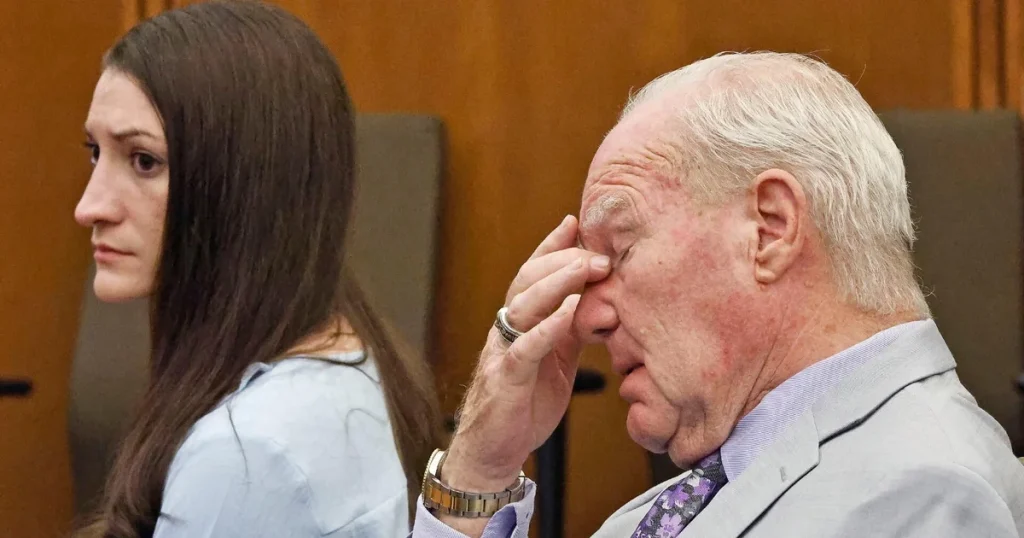
Lindsay Clancy Jury Deadlocked After Dynamite Charge
Bizeconanalysis.com – The Lindsay Clancy jury still deadlocked after five days of deliberation, forcing Superior Judge William Sullivan to deliver a final persuasion instruction before dismissing the panel for the night. The twelve jurors walked out of Plymouth Superior Court on Wednesday evening without reaching a verdict, having spent more than 28 hours in closed-door debate since the previous Thursday.
A note arrived in Sullivan’s chambers Tuesday morning stating the jurors were “unable to come to a unanimous decision.” He sent them back in. A second, similar note came Wednesday around 2:15 p.m., prompting the judge to read what Massachusetts courts call the “Tuey-Rodriguez” instruction — a last-resort directive urging jurors to push past their impasse and arrive at a verdict.
The “Dynamite” Charge Explained
Courtroom observers have likened the instruction to a “Hail Mary” pass, while others call it the “dynamite charge” because of its explosive potential to either shatter a deadlock or blow up the trial entirely. Sullivan prefaced his reading with a brief acknowledgment of the jurors’ long day.
“I know it’s been a long day. First off, thank you for your time,” Sullivan told the panel before excusing them for the evening.
The nine women and three men on the jury have been locked in deliberation since receiving the case last Thursday. The instruction Sullivan read Wednesday is the same one deployed in the first Karen Read trial in 2024 and in the 2023 trial of Emanuel Lopes, who faced charges over the 2018 killing of Weymouth Police Sergeant Michael Chesna. In Lopes’s case, the initial jury hung, producing a mistrial. At the 2024 retrial, jurors reported being deadlocked three separate times before ultimately returning a unanimous guilty verdict after six days and roughly 32 hours of debate.
What the Jury Must Decide
Clancy stands accused of first-degree murder in the deaths of her three children — Cora, age 5; Dawson, age 3; and Callan, age 8 months — found dead in their Duxbury home on January 24, 2023. The jury’s task is to select, unanimously, from five possible outcomes: acquittal on grounds of insanity, outright acquittal, first-degree murder, second-degree murder, or manslaughter.
Defense attorney Kevin Reddington has argued that the defendant was not criminally responsible at the time of the killings because she was overmedicated and experiencing postpartum psychosis. Prosecutors, by contrast, maintain that Clancy planned the strangulations and retained full awareness of right and wrong throughout.
What a Mistrial Would Mean
If the panel cannot break its deadlock when deliberations resume Thursday, the trial risks collapsing into a mistrial — an outcome that has occurred twice in recent Massachusetts history, in the Lopes matter and in Read’s first trial. Reddington indicated he would be ready to proceed immediately should that happen.
“I’d try it next week,” Reddington said outside the courthouse.
He added, however, that one element of the original trial he would not tolerate a second time.
“I’m not letting them take another crack at her. They’re not going to sit down with her again with the Dr. Mack and doctor whatever his name is, and sit down with her and pepper her with questions.”
Reddington has also publicly criticized Plymouth District Attorney Tim Cruz for electing to charge the defendant with first-degree murder rather than second-degree murder. Under Massachusetts law, a first-degree charge mandates a jury trial. Had the prosecution opted for second-degree murder, a plea negotiation might have been possible, and the defendant would have retained the option of a bench trial in which a judge, rather than twelve peers, decides guilt.
FAQ
What is the “dynamite” or Tuey-Rodriguez instruction? It is a Massachusetts-specific judicial directive read to a jury that has signaled it cannot reach a unanimous verdict. It urges jurors to continue deliberating and find common ground, but