
Gregory Bovino, former Border Patrol commander, was under internal investigation when he retired, records show
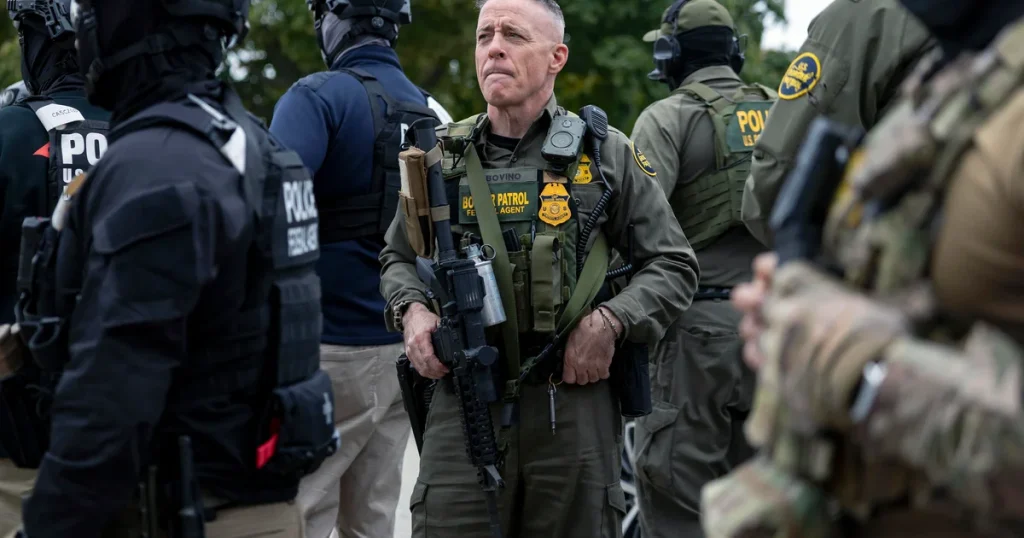
Gregory Bovino Retired During CBP Probe
Bizeconanalysis.com – Gregory Bovino, the former Border Patrol commander who became the most recognizable figure in the Trump administration’s domestic immigration sweeps, left Customs and Border Protection while an internal misconduct inquiry was already active. Newly released agency correspondence shows CBP notified him of the probe on March 2 and that he submitted his retirement relocation request just sixteen days later.
The sequence of events lands squarely in the wake of the Minneapolis shootings that killed two American citizens and triggered a national political crisis. Bovino had been deployed as the administration’s field enforcer in Los Angeles, Chicago, Charlotte, New Orleans, and ultimately Minneapolis before losing his “commander at large” title in late January.
Investigation Timeline and Retirement
The March 2 letter from CBP stated plainly that the agency was “conducting an official inquiry into allegations of misconduct reported to CBP.” Sixteen days after that notice, the former Border Patrol official transmitted his retirement relocation paperwork — a cadence he now describes as coercion rather than choice.
“I was forced to retire,” Bovino told reporters. He accused CBP Commissioner Rodney Scott of targeting him “for legitimate reasons” only because “Bovino was a political rival coupled with the fact Rodney Scott was adamantly opposed to interior enforcement by the US Border Patrol.”
Bovino said two separate investigations “popped up within days of the infamous surrender in Minnesota,” referencing the chaotic aftermath of the fatal shootings of Renee Good and Alex Pretti. A CBP spokesperson offered a terse reply: “DHS does not comment on matters regarding personnel who are no longer with the agency. Bovino voluntarily retired from CBP. CBP is not authorized to provide any security for retired personnel.”
Critics note the tension between that characterization and the timing. Federal privacy rules limit disclosure from active personnel files, yet no publicly available DHS policy bars comment on former employees. The agency’s silence leaves open whether the probe shaped the retirement decision.
The Little Village Litigation and Credibility Findings
The CBP letter addressed a specific legal matter: a fall 2025 lawsuit filed by the Chicago Headline Club and allied groups alleging that agents deployed tear gas, pepper balls, and rubber bullets against journalists and demonstrators in what plaintiffs called an “unnecessarily brutal enforcement of the immigration laws.” U.S. District Judge Sara Ellis granted a preliminary injunction restricting agency use of force and, in doing so, found that Bovino had misrepresented altercations with agents.
“Most tellingly, Bovino admitted in his deposition that he lied multiple times about the events that occurred in Little Village that prompted him to throw tear gas at protesters,” Ellis wrote.
Investigator questions went beyond the immediate case. One asked whether Ellis’s credibility findings “would have to be disclosed if you were called to testify in a trial.” Another probed what should happen when a federal judge deems a Border Patrol agent’s testimony not credible, and whether Bovino believed the findings rendered him “Giglio impaired” — a term referencing prosecutors’ duty to surface credibility problems for defense counsel. The Seventh Circuit later vacated Ellis’s injunction order without resolving whether her credibility determinations about Bovino were correct, leaving the question unresolved at the appellate level.
Alleged Personal Remarks
The probe also reached into Bovino’s private comments. Rather than posing a broad question about his public statements, the investigator put a specific alleged remark directly to him: “Did you make a comment to the effect of ‘Do Orthodox criminals also take off Saturday?'” A follow-up asked what he meant by the remark. Reporting by The New York Times indicated that Bovino allegedly learned of the probe after the Little Village deposition had already been completed.
Frequently Asked Questions
When did Gregory Bovino retire from CBP? He submitted his retirement relocation request sixteen days after receiving the March 2 misconduct-inquiry notice, placing his departure in mid-March of the current year.
What was the internal investigation about? CBP described it as an inquiry into “allegations of misconduct reported to CBP.” Released questions touched on his deposition testimony in the Little Village case, Judge Ellis’s credibility findings, and a specific alleged personal remark.
Did Bovino say he was forced to retire? Yes. He told reporters he was “forced to retire” and characterized the timing as coercion by Commissioner Scott, though CBP maintains he “voluntarily retired.”
What happened to the Little Village preliminary injunction? The Seventh Circuit vacated Judge Ellis’s order without ruling on the merits of her credibility findings about Bovino, so the underlying question remains unresolved.