
Trial date set for alleged Sept. 11 mastermind Khalid Sheikh Mohammed
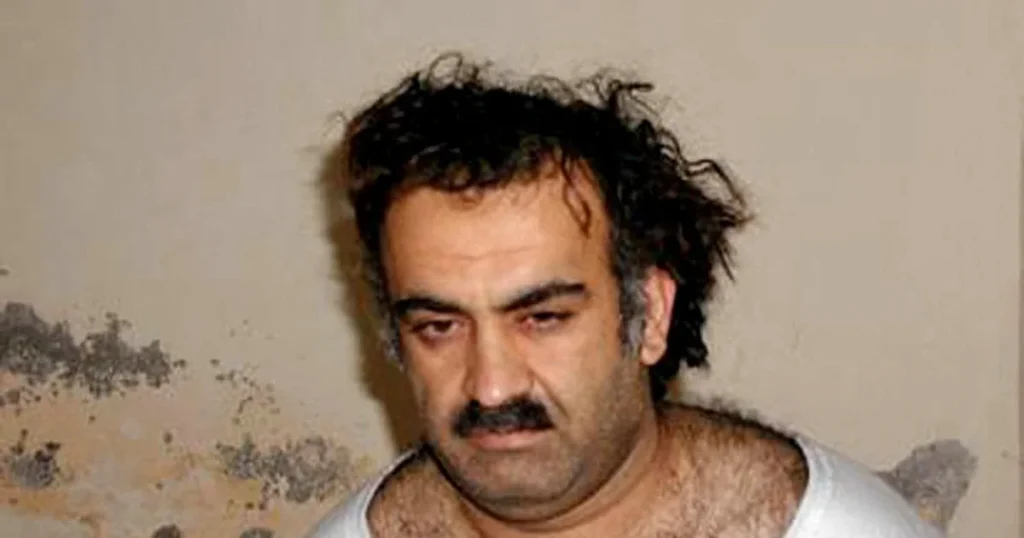
Khalid Sheikh Mohammed’s 9/11 Trial Pushed to June 2028 After Two Decades of Legal Limbo
Bizeconanalysis.com – The man widely regarded as the principal architect behind the September 11, 2001, attacks will not face a courtroom until the summer of 2028. Air Force Lt. Col. Michael A. Schrama, a U.S. military judge, issued a ruling on Wednesday that sets the opening date of the trial at June 5, 2028 — a full 18 months beyond the January 2027 start date prosecutors had sought. The extension, Schrama explained in his written decision, is necessary to work through a tangled web of pretrial disputes, most notably disagreements over which pieces of evidence will be admissible when the case finally reaches a jury of military officers.
A Trial That Has Slipped Before
The 2028 date is not guaranteed. Schrama’s ruling makes clear that the schedule depends on the prosecution and defense meeting a series of procedural milestones along the way. Should those deadlines slip, the trial could be pushed further into the future. This is not the first time the case has been derailed: a trial originally slated for 2021 was ultimately canceled, leaving Mohammed and his co-defendants in continued detention without a verdict.
More than twenty years have now passed since the four hijacked airliners struck the World Trade Center towers in New York, the Pentagon in Arlington, Virginia, and a field in Shanksville, Pennsylvania, killing nearly 3,000 people. Successive U.S. administrations and military prosecutors have struggled to move the case from investigation to courtroom, and the repeated delays have drawn criticism from victims’ families who have waited decades for answers.
The Accusations and the Co-Defendants
Mohammed, a Pakistani national, is charged with developing and directing the plot to seize commercial aircraft and crash them into iconic American targets. He stands accused of coordinating the operation from within al-Qaida’s network in the years leading up to 2001. Three alleged accomplices will face trial alongside him: Walid bin Attash, Ali Abdul Aziz Ali, and Mustafa al-Hawsawi. All four men remain among the last detainees held at the U.S. military installation on Cuba’s Guantanamo Bay, a facility whose population has dwindled over the years but which continues to house several long-term prisoners awaiting resolution of their cases.
A Defendant Who Demands the Spotlight
The road to this trial has been punctuated by episodes that have made Mohammed something of a figure in American legal and political culture. Observers and journalists have characterized him as a man with an intense appetite for public attention. In prior proceedings he has requested permission to appear in court wearing military-style gear, publicly criticized a courtroom sketch that depicted his likeness, and successfully litigated his right to send a letter directly to former President Barack Obama. Each episode underscored the unusual personal dynamics at play in a case that most defendants would prefer to keep as quiet as possible.
The Guilty Plea Deal That Collapsed
In what may have been the closest the case has come to resolution, a federal appeals court last year struck down a negotiated agreement that would have permitted Mohammed to enter a guilty plea. Under the terms of that deal, Mohammed and two of his co-defendants would have received life sentences without the possibility of parole, sparing them the risk of execution that hung over the case for years. The agreement also would have required the men to answer lingering questions posed by families of the 9/11 victims — a provision many survivors’ advocates had long sought.
The deal had been negotiated over roughly two years under the administration of former President Joe Biden. Yet the moment it was announced, political backlash erupted almost immediately. Critics argued that a negotiated resolution, however thorough, fell short of the accountability many Americans expected after the deadliest attack on U.S. soil since Pearl Harbor. The Biden administration, after two years of negotiation, quickly repudiated the arrangement amid the outcry, returning the case to the trial track where it now sits, awaiting the summer of 2028.
What Comes Next
With the trial date now fixed, both sides face a compressed window to resolve evidentiary disputes, complete discovery, and prepare witnesses. The stakes remain enormous: a conviction would close one of the longest-running criminal cases in American history, while an acquittal or further delay would extend the uncertainty that has defined this case for over two decades. For the families who lost loved ones on a Tuesday morning in 2001, every additional month of waiting compounds the original grief with the frustration of an unfinished reckoning.
The additional time is needed to resolve pretrial disputes, including disagreements about what evidence can be presented at trial.
That single sentence from Schrama’s ruling encapsulates the central tension of the next eighteen months: whether the military justice system can finally marshal the record of a 23-year-old conspiracy into a form that a courtroom can weigh, or whether the case will once again dissolve into procedural delay before it ever reaches a verdict.
Related Reading
Frequently Asked Questions
What is Trial date set for alleged Sept 11?
Trial date set for alleged Sept 11 is the main topic of this guide. The article explains the context, practical details, and next steps readers should understand.
Why does Trial date set for alleged Sept 11 matter?
Trial date set for alleged Sept 11 matters because readers are looking for a useful answer, not just a short summary. Good content should match search intent and help them decide what to do next.