
Trump to ask Congress to make 15% ethanol-gas blend permanent
Trump to ask Congress to make 15% ethanol-gas blend permanent
Trump to ask Congress to make 15 – The Trump administration is set to propose a legislative change that would enable the year-round availability of E15, a fuel blend composed of 15% ethanol. According to a U.S. official familiar with the matter, this request will be submitted as part of a broader supplemental funding plan to Congress. The initiative aims to address rising fuel costs by allowing E15 to remain on sale throughout the year, a practice that has been limited to certain seasons due to environmental regulations.
Seasonal Restrictions and EPA Waivers
E15, which contains a higher concentration of ethanol compared to standard gasoline, has traditionally been restricted to part of the year. This limitation stems from the Environmental Protection Agency (EPA) requiring waivers for its use during periods of extreme heat. Ethanol’s tendency to evaporate more rapidly in high temperatures has raised concerns about its contribution to air pollution and smog formation. As a result, federal rules typically mandate a switch to lower ethanol blends during the summer months to mitigate these environmental effects.
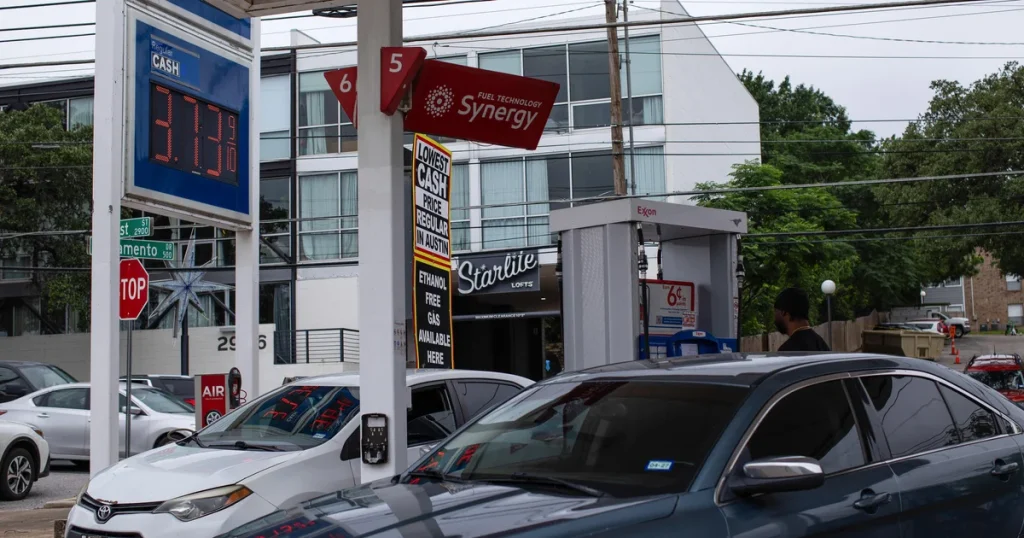
However, the administration argues that maintaining E15 as a permanent option would provide consumers with a more affordable fuel alternative. The Renewable Fuels Association reports that E15 prices are generally about 25 cents per gallon less than regular gasoline, offering drivers a cost-effective choice. Proponents of the policy claim this savings could translate into significant economic benefits, with the White House estimating that E15 could save over $20 billion annually in fuel costs.
Political Motivations and the Iran Conflict
President Trump has long emphasized the importance of reducing fuel prices as part of his energy agenda. During the campaign trail, he repeatedly highlighted the benefits of E15, positioning it as a key tool to combat inflation and support American consumers. The administration’s push for permanent E15 availability is framed as a response to the ongoing impact of the war with Iran on global oil markets, which has contributed to surging gas prices.
While the proposal aligns with the administration’s goal of lowering fuel costs, it also reflects a strategic effort to bolster domestic ethanol production. Ethanol is primarily derived from corn, and its widespread use has been a focal point of rural economic development initiatives. Supporters, including lawmakers from corn-producing states, argue that E15 not only provides a cheaper option for consumers but also stimulates job creation in agricultural and refining sectors.
Previous Actions and Industry Response
In March of this year, the Trump administration temporarily eased gasoline regulations through emergency fuel waivers. This move allowed refiners and retailers to offer E15 during the summer driving season, a period when demand for fuel typically peaks. The temporary measure was designed to test the feasibility of year-round E15 availability and to prepare the market for a potential permanent shift.
Despite the administration’s advocacy, the proposal faces uncertainty. While supporters argue that E15’s lower cost and environmental benefits justify its expansion, critics raise concerns about its impact on air quality and the potential for increased reliance on corn-based ethanol. Some industry analysts suggest that the move could benefit refiners by expanding their product offerings, but it might also create challenges for traditional gasoline suppliers.
Economic and Environmental Implications
The debate over E15’s permanence highlights the tension between economic and environmental priorities. On one hand, ethanol blends like E15 are seen as a way to reduce dependence on foreign oil and support domestic energy production. On the other, their seasonal restrictions are based on scientific assessments of their role in contributing to ground-level ozone and smog, particularly in regions with high temperatures and vehicle emissions.
For rural communities, the expansion of E15 represents a potential lifeline. Corn farmers and ethanol producers stand to gain from increased demand for the fuel, which could stabilize agricultural markets and provide long-term economic security. However, the success of this policy depends on widespread adoption and the ability of the industry to meet production demands. The Renewable Fuels Association has been a vocal advocate for E15, emphasizing its role in reducing greenhouse gas emissions and promoting energy independence.
Environmental groups remain divided on the issue. While some support ethanol as a renewable resource, others warn that its increased use could lead to unintended consequences, such as the need for more corn cultivation, which may compete with food production and increase land use. The EPA’s waiver system has been a central mechanism in balancing these competing interests, and the administration’s request to make E15 permanent could reshape how the agency regulates fuel blends in the future.
Legislative Challenges and Outlook
The proposal’s fate hinges on congressional approval, with lawmakers from corn-growing states likely to be strong advocates. However, opposition may come from regions where traditional gasoline is more prevalent, as well as from environmental and energy policy groups concerned about the long-term effects of ethanol expansion. The White House has emphasized that the measure is part of a larger effort to stabilize fuel prices and support domestic industries, but its passage will require navigating political and economic complexities.
As the supplemental funding request moves forward, the administration will need to build a coalition that includes not only agricultural interests but also consumers who prioritize affordability. The timing of the proposal, against the backdrop of ongoing geopolitical tensions and fluctuating oil prices, adds to its urgency. If enacted, the policy could mark a significant shift in U.S. energy policy, permanently altering the landscape of fuel availability and environmental regulation.
Ultimately, the decision to make E15 available year-round will test the administration’s ability to reconcile economic pressures with environmental safeguards. With the stakes high for both consumers and producers, the proposal’s outcome could have far-reaching implications for the nation’s energy strategy and its approach to balancing cost, sustainability, and industry growth.
“E15 is a game-changer for American families, offering a cheaper alternative without compromising the quality of our fuel,” said a White House official in a recent statement. “This is about putting consumers first and ensuring we have the tools to manage rising energy costs.”
As the debate continues, the administration’s efforts to secure legislative support will be closely watched. Whether the proposal gains traction or faces significant hurdles will depend on the broader context of the economy, environmental science, and the political landscape in Washington. For now, the focus remains on the potential benefits of E15 and its role in shaping the future of fuel in the United States.