
Trump administration’s antisemitism lawsuit against Harvard dismissed by federal judge
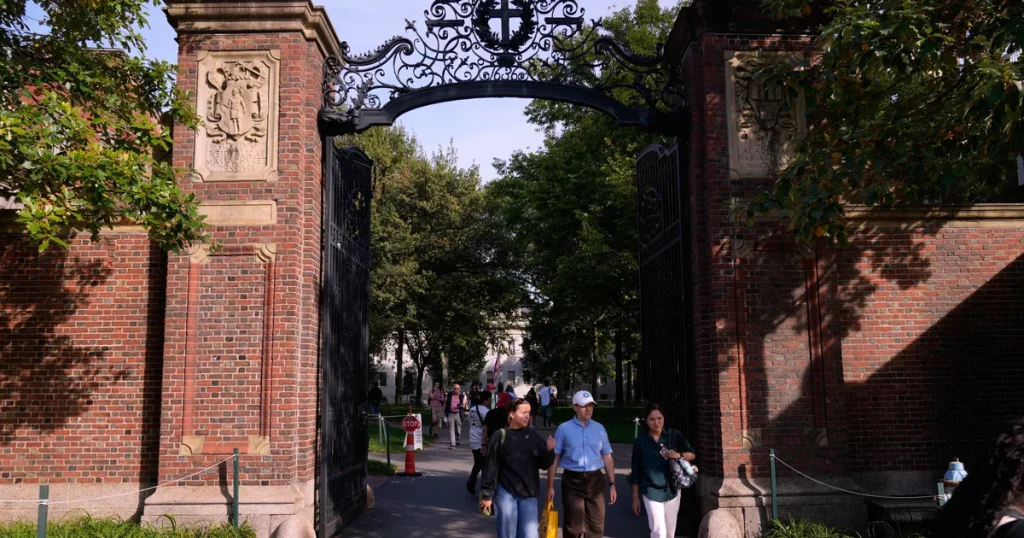
Massachusetts Federal Judge Dismisses Trump Administration’s Antisemitism Case Against Harvard
Bizeconanalysis.com – A federal court in Massachusetts has thrown out a lawsuit brought by the Trump administration against Harvard University, ruling that the instances of alleged antisemitic discrimination cited by the government were insufficient to establish ongoing civil rights violations. U.S. District Judge Richard Stearns issued a four-page order granting Harvard’s motion to dismiss, finding that the complaints did not meet the legal threshold for institutionalized noncompliance with federal civil rights law.
The Court’s Reasoning
In his written decision, Judge Stearns acknowledged that concerns arising from the cited incidents were valid but concluded they did not demonstrate a pattern of systemic failure. The judge emphasized that the alleged discriminatory events were scattered rather than continuous.
Without diminishing any concern arising from these occurrences, the court finds them, singly and collectively, to be too isolated and episodic to support a plausible inference that any institutionalized noncompliance with Title VI persists at Harvard to this day.
The ruling highlighted several procedural deficiencies in the government’s case. Stearns noted that the complaint lacked factual allegations describing incidents that occurred after the Trump administration formally notified Harvard of its belief that the university had failed to comply with federal civil rights requirements. This notification is a mandatory prerequisite before any legal action can proceed. Additionally, the judge pointed out that three of the other instances referenced in the complaint took place between 2023 and 2024, further supporting the characterization of the events as isolated rather than persistent.
Origins of the Dispute
The Justice Department initiated the federal civil rights lawsuit in March, alleging that Harvard violated Title VI of the Civil Rights Act of 1964 by failing to adequately protect Jewish and Israeli students following the October 7, 2023, Hamas terror attack. The government’s filing characterized Harvard’s response as demonstrating both intentional conduct and deliberate indifference toward discriminatory harassment of these student populations. The administration sought to recover billions of dollars in taxpayer funds that Harvard has received from various federal agencies over the years. According to the Justice Department’s allegations, Harvard discriminated against the students without remorse, subjecting them to severe, pervasive, and objectively offensive harassment on campus. Much of this alleged harassment occurred during protests against Israel, with the government claiming it was motivated by the students’ race or national origin. The lawsuit asserted that Harvard was aware of the harassment targeting Jewish and Israeli students but failed to take appropriate action to stop it. This inaction, the government argued, created a hostile educational environment that violated federal civil rights protections.
Broader Context and Implications
This lawsuit represents one of several measures the Trump administration has pursued against Harvard since President Trump’s return to office. Beyond the civil rights case, the administration has also attempted to cancel billions of dollars in federal funding directed to the university. The legal challenge reflects a broader pattern of tension between the federal government and one of America’s most prestigious educational institutions. The Justice Department issued a statement following the ruling, indicating that it disagreed with the court’s decision and is currently evaluating its next steps. The department’s statement also highlighted an ongoing antisemitism investigation conducted by the DOJ’s Civil Rights Division, suggesting that the matter may not be entirely resolved despite the dismissal. Title VI of the Civil Rights Act of 1964 prohibits discrimination on the basis of race, color, and national origin in programs and activities receiving federal financial assistance. For institutions like Harvard that receive substantial federal funding, compliance with Title VI is not optional but mandatory. The law requires recipients to ensure that their policies and practices do not disproportionately affect protected groups. The “isolated and episodic” standard applied by Judge Stearns is significant because it establishes that not every instance of discrimination rises to the level of a Title VI violation. Courts have historically required evidence of a pattern or practice of discrimination, rather than individual incidents, to find institutional noncompliance. This distinction matters for universities that must balance free expression with the obligation to maintain inclusive environments for all students. Harvard and the White House did not immediately respond to requests for comment following the announcement of the ruling. The outcome may influence how other universities approach similar allegations and could affect future federal enforcement actions targeting educational institutions.
Related Reading
Frequently Asked Questions
What is Trump administration s antisemitism lawsuit against?
Trump administration s antisemitism lawsuit against is the main topic of this guide. The article explains the context, practical details, and next steps readers should understand.
Why does Trump administration s antisemitism lawsuit against matter?
Trump administration s antisemitism lawsuit against matters because readers are looking for a useful answer, not just a short summary. Good content should match search intent and help them decide what to do next.