
Trump administration can’t block SNAP recipients in 5 states from buying soda and candy, judge rules
Trump Administration’s SNAP Soda and Candy Ban Blocked by Federal Judge
Trump administration can t block SNAP – A federal court has issued a ruling that stops the Trump administration’s attempt to let states restrict SNAP recipients from using their benefits to purchase soda and candy. The decision, handed down by Judge Amy Berman Jackson, found that the Department of Agriculture (USDA) lacked the legal authority to approve such limitations, effectively reversing the policy in five states—Colorado, Iowa, Nebraska, Tennessee, and West Virginia.
States Approved Ban, But Legal Challenge Stands
Earlier this year, multiple states received approval from the USDA to implement the ban, which aimed to eliminate soft drinks and candy from the $100 billion federal food assistance program. Health Secretary Robert F. Kennedy Jr. and Agriculture Secretary Brooke Rollins supported the move, framing it as a strategy to reduce consumption of foods linked to obesity, diabetes, and other chronic diseases. However, the initiative faced immediate opposition from SNAP beneficiaries, who argued that the restrictions would harm food access and disproportionately affect those with health conditions requiring specific dietary items.
“The move would ‘destabilize food access’ for people on food stamps,” the plaintiffs claimed in their lawsuit, highlighting the potential consequences for low-income individuals reliant on the program.
The lawsuit, filed in March, contended that the USDA’s decision to allow states to impose the ban violated the intent of Congress, which established SNAP to provide nutritional support for all eligible Americans. According to the plaintiffs, the rule created confusion and hardship, particularly for people managing chronic illnesses who need beverages like diet soda to control blood sugar levels or other health metrics.
Legal Analysis: USDA Overstepped Authority
In her ruling, Judge Amy Berman Jackson emphasized that Congress had clearly defined the scope of “food” under SNAP and did not grant the USDA the power to redefine it. “Congress did not authorize the agency to cut types of food out of SNAP entirely,” she wrote, underscoring that the law’s language allowed benefits to cover “any food or food product intended for human consumption,” excluding alcohol and ready-to-eat hot foods. The judge’s opinion criticized the administration for bypassing established legal procedures to enforce the restrictions, calling the policy a “redefinition of food” through “administrative fiat.”
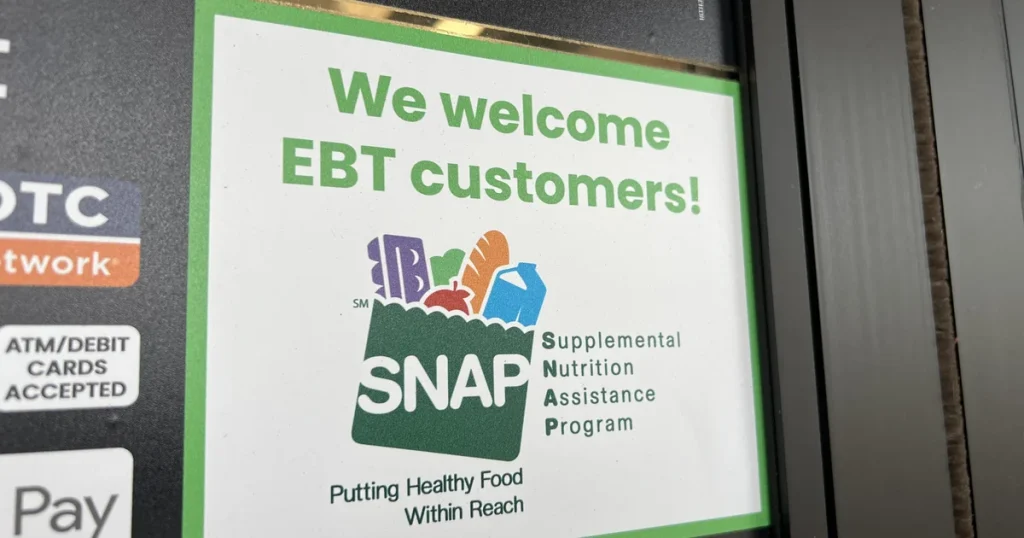
SNAP, or the Supplemental Nutrition Assistance Program, provides monthly benefits to help low-income individuals and families afford groceries. Though it is federally funded, each state manages its own implementation, which led to variations in eligibility rules. The ruling highlights the tension between state flexibility and federal oversight, as the USDA’s waiver process had previously enabled states to enact similar bans.
USDA Defends Policy Amid Legal Challenges
The USDA has maintained that the “Make America Healthy Again” initiative is essential to align SNAP benefits with public health goals. “The idea that taxpayer funds should not be used to purchase junk food should not be controversial,” a USDA spokesperson stated in a CBS News statement. The agency argued that allowing states to block soda and candy would encourage healthier choices without infringing on the program’s core purpose.
“We will not be backing down from the fight to Make America Healthy Again, including for families and communities reliant on SNAP,” the spokesperson added, reinforcing the administration’s commitment to the policy despite the court’s intervention.
While the ruling only applies to the five states directly involved in the lawsuit, its implications could extend to the 18 other states that had received similar approvals. Advocates warn that the decision may complicate the USDA’s broader efforts to reshape SNAP’s food guidelines. “The court’s rejection of the USDA’s authority suggests that other approved restrictions might also face legal scrutiny,” noted Gina Plata-Nino, SNAP director for the Food Research & Action Center (FRAC), a nonprofit focused on reducing hunger.
Impact on Food Access and Health Outcomes
SNAP beneficiaries in affected states had highlighted the practical challenges of the ban, arguing that it limits their ability to choose foods tailored to their health needs. For example, in Nebraska, recipients could buy chocolate milk with artificial sweeteners but were prohibited from purchasing diet soda with the same additive, according to Plata-Nino. Such inconsistencies raised questions about the fairness and effectiveness of the policy.
NCLEJ, representing the plaintiffs, also stressed that the complex eligibility rules created confusion among both retailers and participants. “The intricate eligibility criteria sparked uncertainty, making it difficult for people to understand what foods are allowed under SNAP,” said Katharine Deabler Meadows, a senior attorney at the National Center for Law and Economic Justice. “This decision clarifies that the USDA cannot unilaterally redefine the program’s purpose without congressional approval.”
“You cannot redefine the word ‘food’ in the SNAP program by administrative fiat,” Jeffrey Shinder, founding partner at Shinder Cantor Lerner, said in a statement to CBS News. “The court has affirmed that SNAP’s definition must be upheld as written.”
Supporters of the initiative, including Kennedy, have framed the policy as a necessary step to combat the health crises linked to processed foods. In a December statement, Kennedy argued, “We cannot continue a system that forces taxpayers to fund programs that make people sick and then pay a second time to treat the illnesses those very programs help create.” The ruling, however, signals a shift in the legal landscape, potentially slowing the expansion of such restrictions across the country.
Broader Implications for SNAP Policy
The decision may serve as a precedent for future challenges to SNAP regulations, as advocates point out that similar restrictions were implemented in 23 states through waivers. The Food and Nutrition Act, which governs the program, allows states to experiment with specific food items, but the judge’s ruling suggests that these experiments must be grounded in clear statutory authority.
FRAC’s analysis reveals that while 23 states have been granted waivers, only 13 have begun enforcing the restrictions. The court’s intervention could force the USDA to re-evaluate its approach, potentially leading to a more uniform policy or additional legal battles over the program’s scope. For now, the ruling ensures that the five states involved will revert to the original SNAP guidelines, allowing recipients to use benefits for a wider range of food items.
As the debate over SNAP’s role in public health continues, the decision underscores the importance of legislative clarity. While the USDA remains focused on promoting healthier diets, the judge’s emphasis on preserving the program’s statutory framework highlights the balance between innovation and adherence to Congress’s intent. The future of SNAP restrictions now hinges on whether lawmakers will revise the law to grant the agency more flexibility or maintain the current approach, ensuring that the program remains a reliable source of nutrition for millions of Americans.