
Good Good Golf’s very bad, bad week amid backlash over Callaway ad
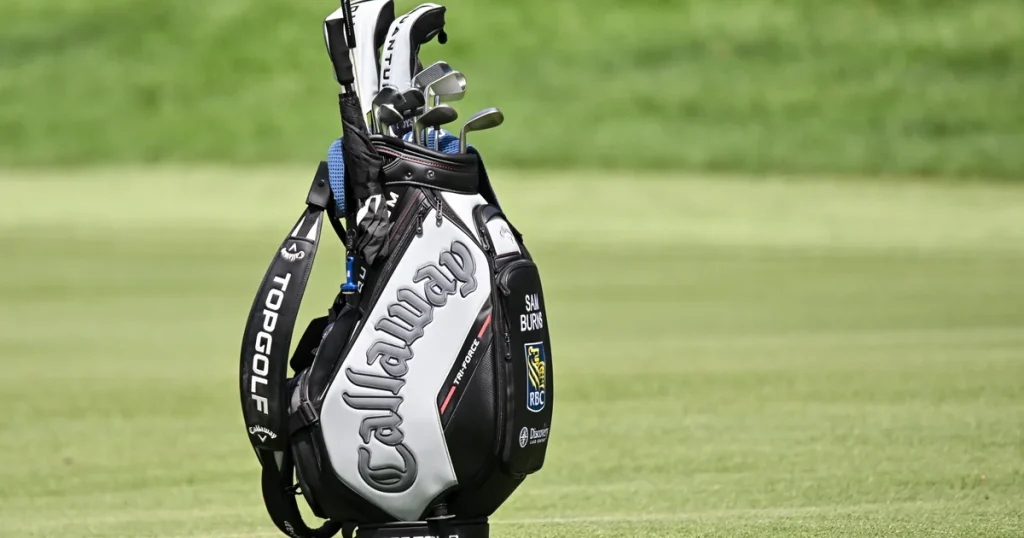
Good Good Golf Loses Callaway Partnership and PGA Tour Sponsorship After Viral Ad Sparks Sexism Outcry
Bizeconanalysis.com – The digital golf empire built by Good Good Golf is shrinking fast. On Thursday, the company confirmed the collapse of its three-year commercial partnership with Callaway Golf, and the PGA Tour simultaneously announced that Good Good would no longer serve as sponsor for a tournament scheduled in Austin, Texas, this November. The twin blows landed within hours of one another, capping a week in which a single 60-second promotional video sent the brand into a full-scale reputational crisis.
At the center of the storm is a co-branded spot promoting Callaway’s newest driver, a club line developed jointly with Good Good. In the video, Garrett Clark — one of Good Good’s co-founders and a recognizable face from the channel’s challenge-format content — physically shoves golfer Alexis Miestowski to the ground as she reaches toward the driver. While she lies on the turf, Clark leans over her and delivers the line, in a deliberately menacing tone, “Do not touch my new driver.” Good Good framed the piece internally as a parody of the 1962 horror film Obsession, but audiences largely read it as a casual, even humorous, depiction of a man dominating a woman through physical force.
The Apologies and the Backlash
Both brands moved quickly to issue statements. Callaway CEO Chip Brewer put out an apology on August 25, acknowledging that Good Good produced the spot and that Callaway then gave it final approval. He wrote:
“That approval should never have happened. Mistakes were made, and we are taking the matter very seriously.”
The ad was pulled from circulation shortly after the backlash began. Yet the initial responses drew sharp criticism from communications professionals and consumers alike. Patrick Riccards, a crisis-communications specialist, characterized the early apologies as insufficient, arguing that neither company had genuinely identified where the creative process derailed.
“This is another example of creating content with a narrow view, without bothering to think of the larger audience,” Riccards said in an email. He added that both brands failed to “own their failures” and did not “truly understand where the process went off the rails and what they did wrong.”
Consumer pressure intensified over the following days. Viewers urged Callaway to go beyond words — suggesting concrete steps such as financial contributions to the Ladies Professional Golf Association and to domestic-violence advocacy groups. That pressure appears to have shaped the company’s next move.
Partnership Ends; $1 Million Pledged
On Thursday, Callaway announced it was terminating the Good Good partnership outright. Alongside the split, the company committed $1 million to organizations working to prevent violence against women. In a public statement, Callaway acknowledged the limits of its remedial actions:
“These actions do not undo the harm caused or excuse our role in it. We sincerely apologize to everyone who was hurt, disappointed or offended by this incident.”
The PGA Tour, for its part, issued a brief note confirming it had “been informed of Good Good Golf’s decision to step away as sponsor of the event in Austin, Texas, this fall.” The Tour added, “We agree with their decision to use this time to focus on their organization and the work ahead,” framing the withdrawal as a voluntary pause rather than a forced exit.
Good Good’s Internal Response
Good Good did not immediately respond to requests for comment in the early days of the controversy. The company’s public reckoning came through its own co-founders. Clark posted an eight-minute video this week in which he labeled the Callaway spot “the worst ad known to man” and insisted it represented “not what we stand for.” He went on to state plainly:
“I do not support DV (domestic violence) or abuse or any of that of any kind.”
Co-founder Matt Kendrick, speaking to the Wall Street Journal earlier in the week, indicated the company intends to channel proceeds from the campaign into an organization that supports women. The specifics of that donation were not detailed in the reporting.
Background: How Good Good Became a Golf Institution
The scale of the fallout is difficult to separate from the scale of what Good Good has built. Launched in 2020 as a YouTube channel, the brand grew rapidly into one of the largest content operations in golf. Its current roster features eight men and four women competing in golf events and various challenge formats. Beyond the channel, the company has expanded into made-for-television programming, apparel lines, and a broader merchandise ecosystem. That commercial footprint made the Callaway collaboration — and its sudden unraveling — a significant event in the sports-marketing landscape.
The episode also lands amid a wider industry conversation about how golf brands court younger, digitally native audiences. Good Good’s format — fast-cut challenges, personality-driven segments, and cross-platform distribution — has become a template that several tour-level sponsors have sought to replicate. When the template produces a video that many viewers interpret as normalizing physical aggression toward women, the question it raises extends beyond one brand’s marketing department: it asks whether the speed and volume of content production have outpaced the editorial judgment needed to keep that content from reinforcing harmful norms.
For now, the practical consequences are clear. A three-year deal is over. A November sponsorship slot in Austin will be filled by another entity. A million dollars is earmarked for domestic-violence prevention work. And a brand that spent four years building a community of millions of golf fans now faces the harder task of rebuilding trust with an audience that watched its most visible commercial and decided, collectively, that the joke was not funny.
Related Reading
Frequently Asked Questions
What is Good Good Golf s very bad bad?
Good Good Golf s very bad bad is the main topic of this guide. The article explains the context, practical details, and next steps readers should understand.
Why does Good Good Golf s very bad bad matter?
Good Good Golf s very bad bad matters because readers are looking for a useful answer, not just a short summary. Good content should match search intent and help them decide what to do next.