
Can an AI agent cover for you while you’re at the beach?
Can an AI agent cover for you while you’re at the beach?
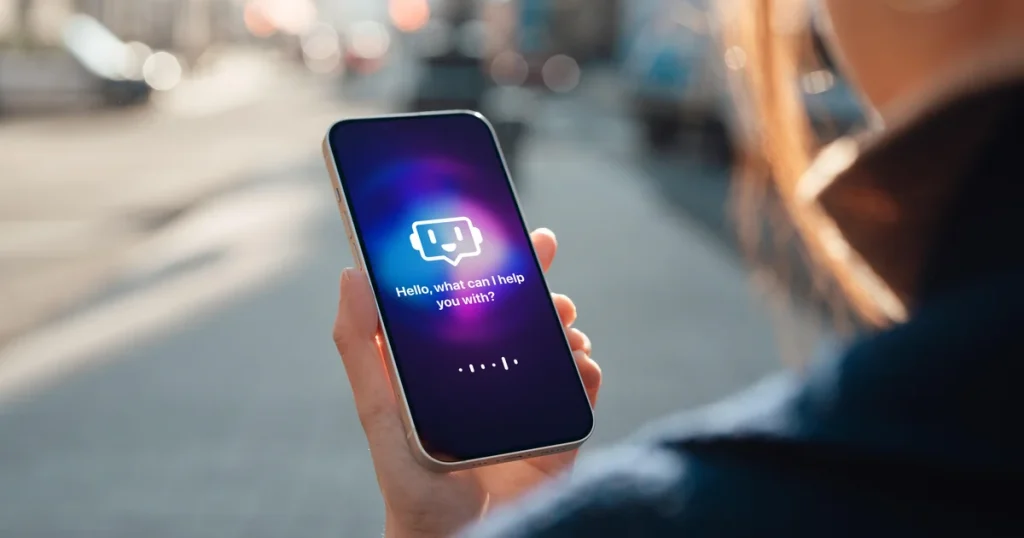
Can an AI agent cover for you – Summer is a time of relaxation and enjoyment for many employees, yet it often brings unintended stress to their colleagues who must pick up the slack. With vacation schedules stretching into the peak of the season, the burden on remaining staff can grow significantly, creating a ripple effect on productivity. To address this challenge, some forward-thinking organizations are turning to artificial intelligence as a temporary solution. Management consulting firm Korn Ferry highlights how AI agents—custom-built bots designed to handle routine tasks—can alleviate the strain during the summer months, allowing teams to maintain efficiency without compromising their time off.
The Role of AI in Workload Management
According to Korn Ferry, AI technology is being increasingly utilized to manage basic administrative functions. These tasks include drafting emails, scheduling meetings, and organizing project timelines, all of which can be automated while employees are away. By delegating such responsibilities to intelligent systems, companies aim to balance operational demands with the need for employee downtime. This approach not only prevents the accumulation of urgent tasks but also helps preserve the positive work environment that summer is meant to enhance.
“There is a productivity dip when someone is out, so this is about the team taking the smallest hit by having AI make clear what’s due while someone is out,” said Bryan Ackerman, head of AI strategy and transformation at Korn Ferry. “It’s also a huge help when that person returns to dig out from vacation.”
AI’s Capabilities in Knowledge Work
AI agents are proving to be valuable in knowledge-intensive roles, particularly in handling tasks that require analysis or documentation. For example, Ackerman pointed out that tools like Anthropic’s Claude Cowork can synthesize research, prepare documents, and even summarize meeting transcripts. These functions, which might typically demand significant human effort, are now being managed by AI, ensuring that team members are not left scrambling when a manager or senior leader is absent.
“AI can make everything that was on my plate visible to colleagues while I’m gone,” Ackerman explained. “In their current iteration, these tools provide data insights for teams compensating for me being out.”
Such capabilities are particularly beneficial in industries where projects have tight deadlines or where communication is critical. By automating repetitive or time-consuming duties, AI allows employees to focus on more strategic work, even during their time off. This not only streamlines operations but also fosters a sense of shared responsibility across teams.
Challenges and Employee Concerns
While AI offers clear advantages, its implementation is not without challenges. One key concern is the potential for employees to feel replaced or undervalued. Ackerman acknowledged that deploying AI agents during the summer could inadvertently fuel fears of being expendable, especially in sectors experiencing layoffs or reduced hiring. “Firing up an AI agent for the summer months could well fuel employee fears that they may be expendable,” he noted.
Additionally, privacy issues arise when AI agents handle sensitive information. For instance, if an AI is tasked with responding to client inquiries or managing internal communications, there may be questions about data security and employee trust. “Employees would need confidence that an AI agent responding to coworkers and clients on their behalf can be counted on to act competently and professionally,” emphasized Mark Beare, head of consumer business at cybersecurity firm Malwarebytes. “If it does something you ask it to poorly and there’s no human in the loop to correct it, eventually these systems decay.”
“If you give administrative control to an AI agent while you’re not present, allowing it to do things for you and make decisions, that brings concerns with it,” Beare added.
Cost and Implementation Hurdles
For organizations, the adoption of AI agents involves both financial and logistical considerations. While the technology can reduce the workload on human employees, it requires investment in development, training, and integration. Companies must also ensure that these tools align with their specific workflows and that employees are adequately trained to work alongside them. “Deploying and using the technology is also costly,” Beare mentioned, underscoring the need for careful planning.
Despite these challenges, the benefits of AI in summer work coverage are becoming harder to ignore. By automating routine tasks, companies can ensure that productivity remains steady, even when key personnel are on leave. This not only supports the remaining workforce but also allows managers to return to their roles with a clearer understanding of what needs to be addressed upon their return. As Ackerman highlighted, AI can act as a bridge between absence and resumption, minimizing disruptions and maintaining team momentum.
Future of AI in the Workplace
As AI technology continues to evolve, its role in workplace automation is expected to expand. Current iterations of AI agents are already capable of managing a range of administrative functions, but future advancements may enable them to handle more complex tasks. This could include real-time decision-making, predictive task prioritization, and even personalized communication strategies. However, achieving this level of sophistication will require ongoing improvements in natural language processing, data analysis, and machine learning.
For now, the focus remains on leveraging AI to support existing workflows rather than replace human oversight entirely. Ackerman emphasized that AI is a tool to assist, not a substitute for human judgment. “These tools are designed to complement human efforts, not eliminate them,” he said. “They help teams maintain their focus on critical objectives while routine tasks are handled efficiently.”
With the right balance of automation and human involvement, AI has the potential to transform how teams manage summer workloads. It can reduce the stress of last-minute assignments, provide clarity during absences, and ensure that employees return to their roles with a sense of progress and accomplishment. As more companies explore these solutions, the integration of AI into everyday work practices is likely to become more widespread, reshaping the dynamics of collaboration and productivity in the modern workplace.