
A timeline of the Karen Read case and the story behind the high-profile Massachusetts murder trial
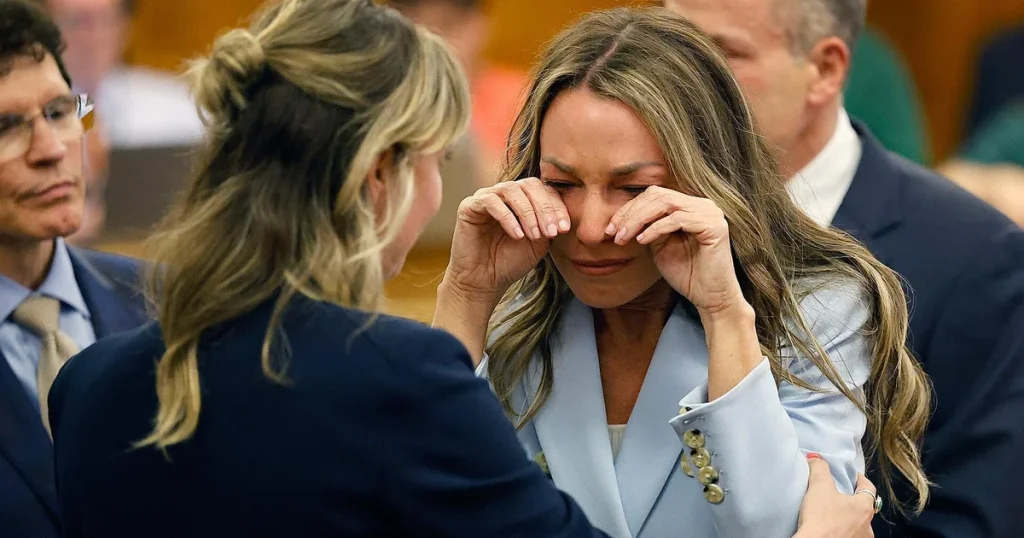
A Timeline of the Karen Read Case and the High-Profile Massachusetts Murder Trial
A timeline of the Karen Read – In June 2025, Karen Read emerged not guilty of the most severe charges in her retrial, which culminated in a verdict that left many questioning the outcome of the case. The jury, after four days of deliberation, acquitted her of second-degree murder and manslaughter in the death of her boyfriend, Boston police officer John O’Keefe. However, Read was found guilty of driving under the influence of alcohol. This conclusion followed a second trial that began in April 2025, following a mistrial in the initial proceedings. The first trial, which commenced in April 2024 at Norfolk Superior Court in Dedham, ended in a deadlock, with jurors split on the severity of the charges. Months of pretrial hearings and jury selection eventually led to the restart of the case.
The Night of the Incident: January 29, 2022
The events that set the stage for the trial unfolded on the night of January 28, 2022, when Karen Read, John O’Keefe, and a group of friends gathered at the Waterfall Bar and Grill in Canton. Prosecutors allege that Read consumed multiple alcoholic drinks during the evening, which contributed to the accident that followed. Later that night, she drove O’Keefe to the home of Boston police officer Brian Albert, where they were supposed to meet friends from the bar. By 1 a.m., the relationship between Read and O’Keefe had already shown signs of tension, as revealed by text messages exchanged between them. These messages, which were later disclosed in court documents, indicated a strained dynamic. Around that time, Read allegedly left O’Keefe a voicemail filled with anger, declaring,
“John didn’t come home. We had a fight.”
The quote, combined with other evidence, would later become a focal point in the trial.
Early Morning Discoveries: 4-5 a.m.
At approximately 4:23 a.m., heavy snowfall made visibility difficult, yet a critical moment in the investigation occurred when O’Keefe’s niece reached out to Jennifer McCabe, Brian Albert’s sister-in-law. She reported that Read was “distraught” because O’Keefe had not returned home and was unreachable by phone. McCabe’s account suggested that Read was in emotional distress, which she described as a “fight” between the couple. Around 5 a.m., Read called another woman whose husband was acquainted with O’Keefe. During the conversation, Read expressed uncertainty about the events, saying,
“What if he’s dead? What if a plow hit him? … I don’t remember anything from last night, we drank so much I don’t remember anything.”
This statement, if taken at face value, could imply a lack of memory, but the defense would later challenge its reliability.
Search for the Victim: 5:07 a.m.
By 5:07 a.m., Read, McCabe, and a third woman set out to locate O’Keefe. According to prosecutors, Read mentioned during this search that her vehicle had a crack in its tail light, raising the possibility that it might have struck O’Keefe’s SUV. Surveillance footage from O’Keefe’s home showed Read’s SUV coming “extremely close” to his vehicle in the driveway, sparking debates over whether a collision occurred. The prosecution argued that no tail light fragments were found in the driveway, which they interpreted as evidence that the SUV was not involved in the accident. In contrast, the defense claimed that the tail light damage was consistent with a collision, offering an explanation for the SUV’s condition.
Discovery of the Body: 6 a.m.
At around 6 a.m., Read spotted O’Keefe’s lifeless body lying in the snow near Brian Albert’s residence. An emergency responder described her as “hysterical and inconsolable,” noting that she repeatedly asserted,
“I hit him. I hit him.”
This confession, however, was later scrutinized by the defense, which accused one of the first responding officers from Canton police of providing “false and deceptive testimony” to the grand jury that indicted Read. The credibility of her statements would become a central issue in the trial.
The Search for Truth: January 31, 2022
By January 31, 2022, the police had completed their initial investigation and concluded that O’Keefe’s cause of death was blunt force trauma to the head and hypothermia. A forensic toxicologist testified that Read’s blood alcohol content (BAC) likely reached 0.13 to 0.29 by 12:45 a.m., well above the legal limit. Prosecutors maintained that this level of intoxication supported the claim that Read was at fault. However, the defense questioned the timing of the BAC estimate, arguing that it was not definitive and could be influenced by other factors. The medical examiner’s report, which noted no signs of a physical struggle, also became a point of contention between the two sides.
Arrest and Charges: February 2, 2022
On February 2, 2022, Read appeared in Stoughton District Court for her first court appearance. She was charged with manslaughter, motor vehicle homicide, and leaving the scene of an accident. The prosecution’s case hinged on the premise that Read had caused O’Keefe’s death through negligence. The defense,