
Dolly Parton offered to try experimental drugs to help others if there was “no hope” in her cancer battle, sister says
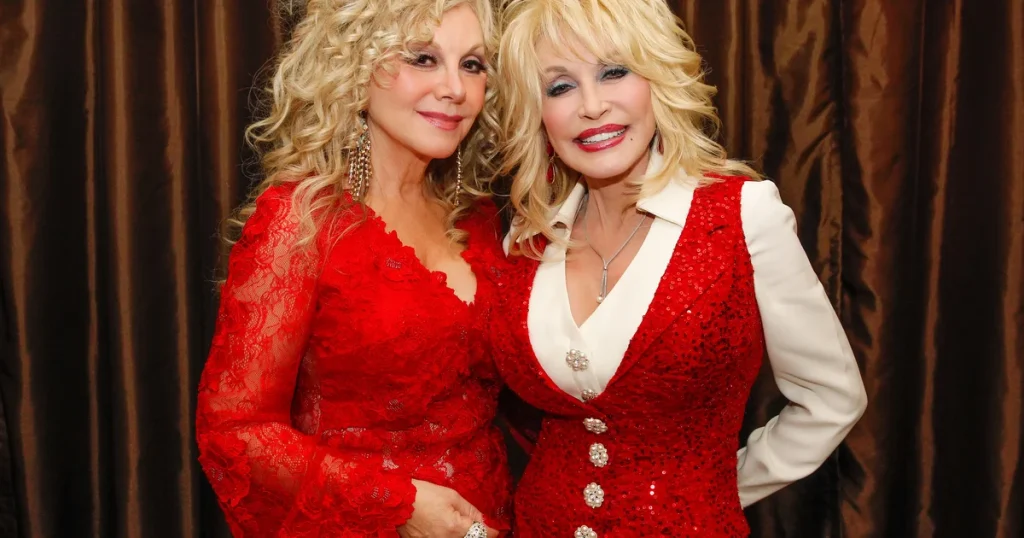
Dolly Parton Offered Experimental Drugs to Help Others
Bizeconanalysis.com – When Dolly Parton passed away at age 80 after a brief battle with cancer, the country-music world fell silent. But one detail from her sister Stella Parton’s public statement cut through the grief: Dolly Parton offered to try experimental drugs on her own body if her prognosis became hopeless, purely so that the resulting data could guide future treatments for other patients. The gesture reframed her final weeks from a private tragedy into one last act of giving.
Stella, the sixth of twelve siblings raised in the hills of eastern Tennessee, shared the account on social media. She recalled a conversation in which her sister made clear that her willingness to serve others would outlast her own survival. The statement quickly became the most-shared tribute of the week, eclipsing standard obituaries with its quiet, radical compassion.
“What the world saw is exactly who she was, so much so, she told me recently that if there was no hope for her, she would still allow her medical team to try experimental drugs in the hope of helping others in the future.”
A Lifelong Pattern of Giving
The remark was not an anomaly. It was the latest expression of a generosity that had run through every decade of Parton’s adult life. In 1988 she founded the Dollywood Foundation, initially aimed at improving K-12 education in her Appalachian home region. Over subsequent decades the foundation expanded to cover higher-education tuition for Dollywood theme-park employees, removing a financial barrier that had kept many local workers from earning college degrees.
Her most widely recognized charitable program, the Imagination Library, mails a free age-appropriate book to enrolled children monthly from infancy through age five. Millions of volumes have reached families across the United States, many of whom would otherwise lack a steady supply of new reading material at home.
Parton’s generosity also touched medical research directly. In 2020, at the height of the pandemic, she donated one million dollars to Vanderbilt University’s coronavirus research program. That funding helped accelerate work that ultimately fed into the development of the Moderna mRNA vaccine — a reminder that a single donation from a music icon can ripple through public-health infrastructure.
The Final Months and the Outpouring of Grief
Fans had watched Parton’s health with quiet anxiety for months before her death. In October of the prior year, her sister Freida Parton publicly asked followers to keep the singer in their prayers, sending shockwaves through the country-music community. Parton herself later reassured audiences, saying she was fine and returning to her routine.
By May, however, she acknowledged treatment for a cluster of health problems, including kidney stones, and cancelled scheduled Las Vegas residencies. She explained candidly that she did not yet feel prepared to step back onto a stage — a decision that drew widespread sympathy and reinforced the image of an artist who valued her audience’s experience over commercial obligation.
Her death on Tuesday prompted tributes spanning the political and entertainment spectrum. President Trump issued a formal statement mourning the loss, while countless fellow performers joined the chorus of grief. Among the most personal voices was Miley Cyrus, Parton’s goddaughter, who spoke publicly of the void left by her mentor’s passing. Commentators noted that the breadth of the response — crossing partisan lines, generational divides, and genre boundaries — reflected how deeply Parton had woven herself into the cultural fabric of American life.
Understanding the scale of that giving requires understanding where she began. Parton grew up in pronounced poverty, the fourth child in a family of twelve. The household lacked running water for much of her childhood, and the siblings learned early that survival depended on mutual aid and resourcefulness. Stella recalled that the sisters maintained a weekly coffee ritual — a small, recurring act of companionship that survived decades of separate lives and careers.
Frequently Asked Questions
Who shared the story about Dolly Parton and experimental drugs? Her sister, Stella Parton, disclosed the conversation in a public social-media statement following Dolly’s death.
What exactly did Dolly Parton say she would do? She told her medical team that if her own prognosis became hopeless, she would still consent to experimental treatments so the data gathered could help future patients.
When was the Dollywood Foundation established? The foundation was created in 1988 and initially focused on improving educational outcomes in eastern Tennessee.
How much did Parton donate to coronavirus research? She contributed one million dollars to Vanderbilt University’s coronavirus research program in 2020.
What was the Imagination Library? A program that mails a free, age-appropriate book to enrolled children every month from infancy through age five, having shipped millions of volumes across the United States.