
Pentagon rolls out guidelines to test service members for testosterone
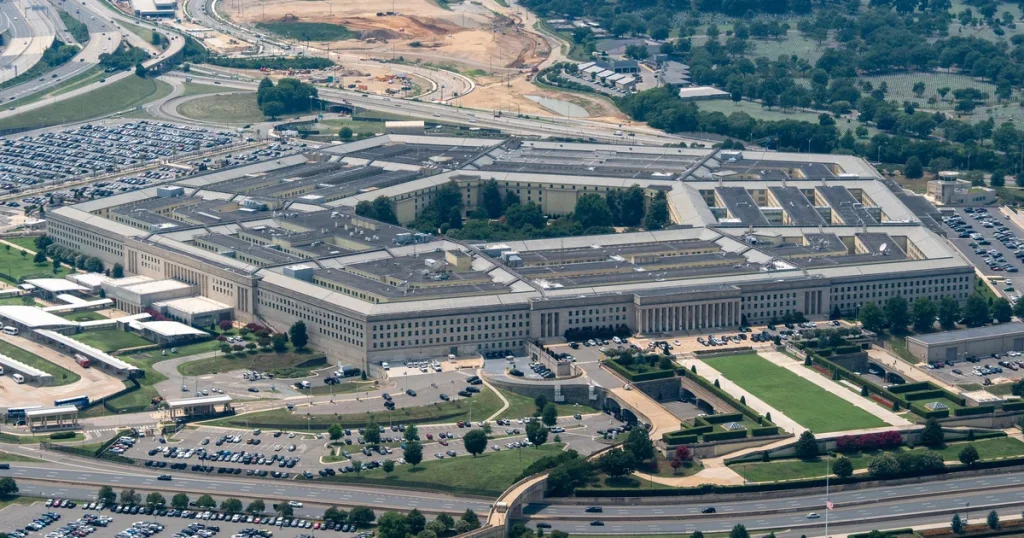
Military Mandates Testosterone Screening for Male Troops Over 30
Bizeconanalysis.com – The U.S. military has moved to make hormone-level testing a standard component of routine medical checkups for a large segment of its active force. Beginning with the clinical guidelines released Wednesday by the Defense Health Agency, male service members aged 30 and above will now undergo screening for testosterone deficiency as part of their periodic health assessments. The policy extends to reservists as well as active-duty personnel, marking a significant shift in how the armed forces approach endocrine health among its ranks.
What the Guidelines Require
Under the new protocol, eligible male troops will receive both a clinical screening and a blood test during their already-scheduled medical evaluations. Those diagnosed with hypogonadism — the medical term for abnormally low testosterone production — will enter a follow-up pathway that may include additional diagnostic workups and, where clinically warranted, testosterone replacement therapy. The guidelines explicitly frame testosterone levels as a “critical biological marker for Warfighter readiness, directly impacting physical strength, bone density, aerobic fitness, depressive symptoms, and cardiovascular health.”
For men under 30, the screening is not compulsory but will be offered on an annual, opt-in basis. Female service members are not subject to the same blood-test mandate; instead, the guidelines direct clinicians to ask women about symptoms of hormonal dysregulation and to refer them for further evaluation when indicated.
Hegseth’s Push and the “High-T” Framing
The initiative traces back to Defense Secretary Pete Hegseth, who in July publicly called for mandatory testosterone screening across the force. He introduced the concept in a social media video he titled “The High-T Department of War,” a framing that drew immediate attention roughly two and a half months before the clinical guidelines were finalized. In that video, Hegseth sought to distinguish the program from performance-enhancing drug culture:
“This initiative, it’s not about artificial enhancement. It’s about restoring and optimizing your natural capabilities, protecting your longevity and ensuring you have the biological foundation required to sustain the fight.”
He also addressed the question of patient autonomy, telling service members that if a clinician recommends replacement therapy, “it’s entirely your choice to receive testosterone replacement therapy.” That language was included in the July announcement and underscores the administration’s attempt to position the program as a health-maintenance measure rather than a performance-boosting intervention.
Medical Rationale and the “Operator Syndrome” Question
The clinical justification for the screening rests on a body of research suggesting that military personnel face elevated risk of testosterone decline relative to the general population. Army Maj. Theodore Crisostomo-Wynne, a urologist at the Madigan Army Center, testified before a Food and Drug Administration panel last year that the operational environment itself can suppress hormone production:
“The high operations tempo and high stress that these service members go through can actually decrease testosterone, sometimes acutely and sometimes even in the long term.”
His testimony pointed to a constellation of contributing factors — chronic psychological stress, repeated blast-wave exposure, traumatic brain injury, and chronic sleep disruption — that together may accelerate endocrine dysfunction. Researchers studying special-operations personnel have grouped these overlapping conditions under the informal label “Operator Syndrome,” describing a pattern of hormone abnormalities and related medical problems that appear at higher rates among troops in sustained high-stress roles than in comparable civilian cohorts.
Testosterone decline in middle-aged men is not uncommon in the general population, but the military context adds layers of occupational hazard that can push levels below the normal range earlier than expected. By embedding the test into existing periodic exams, the Defense Health Agency avoids creating a separate appointment burden while still capturing data at scale across hundreds of thousands of service members.
Department of Defense Framing
In a written statement accompanying the release, the Pentagon described the objective as a commitment to “invest in the health of its warfighters, strengthen their performance, and maximize force readiness.” The language positions the screening within the broader force-readiness doctrine that has dominated DoD planning since the early 2000s, linking individual physiological markers to unit-level combat effectiveness.
Broader Implications
The policy raises questions that extend beyond the clinic. Testosterone replacement therapy, when prescribed, carries its own monitoring requirements and potential side effects, meaning the screening program will generate a downstream workload for military medical providers. It also intersects with existing military fitness standards, retirement-age planning, and the long-running debate over how the armed forces should manage age-related physiological changes in a force that increasingly relies on personnel well into their forties and fifties.
For the roughly two-thirds of the force that is male and for the subset now crossing the age-30 threshold each year, the new requirement means an additional blood draw and a conversation with a clinician about hormone health — topics that, until now, have rarely been part of the standard military medical visit. Whether the program ultimately improves long-term health outcomes, or simply generates more data points for a system already stretched thin, will depend on implementation details still being worked out across the various service branches.
Related Reading
Frequently Asked Questions
What is Pentagon rolls out guidelines to test?
Pentagon rolls out guidelines to test is the main topic of this guide. The article explains the context, practical details, and next steps readers should understand.
Why does Pentagon rolls out guidelines to test matter?
Pentagon rolls out guidelines to test matters because readers are looking for a useful answer, not just a short summary. Good content should match search intent and help them decide what to do next.