
Judge orders DOJ to either unredact more Epstein files or explain why they must stay blacked out
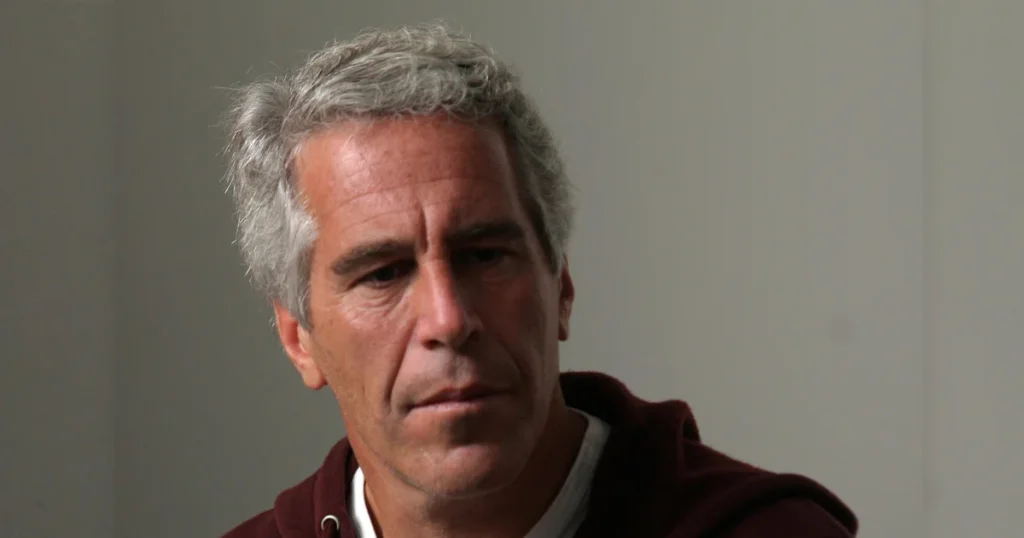
Judge Orders DOJ to Unredact Epstein Files or Explain Redactions
Judge orders DOJ to either unredact – A U.S. federal judge has mandated the Department of Justice to either unredact key Epstein files or provide a clear rationale for keeping critical sections blacked out. The order, issued Thursday, stems from a lawsuit accusing Acting Attorney General Todd Blanche of redacting essential information in Epstein’s records, potentially obscuring accountability. This directive comes amid escalating scrutiny over the DOJ’s transparency in handling materials linked to the financier, who died in pretrial custody in 2019. The decision highlights the judge’s push for greater openness, ensuring the public can access vital details.
Focus on Specific Redacted Content
The court’s order centers on eight emails where sender or recipient names are redacted, a draft indictment hiding potential co-conspirators, and a 2019 email referencing unnamed individuals. Judge Emmet Sullivan also required the DOJ to clarify why interview notes from FBI documents were withheld, despite a federal law requiring public access to Epstein-related records. Over 6 million pages have been disclosed since December, including correspondence, law enforcement files, and photos, yet significant portions remain obscured, raising questions about the agency’s compliance with transparency standards.
Legal Debate Over Redacted Records
The controversy over redacted files has intensified, with critics arguing that the DOJ’s selective unredaction violates public access laws. While the department claims it withheld half of the collected documents due to duplicates, unrelated information, or legal privilege, this justification has sparked debate. Lawmakers and Epstein survivors maintain that the redactions disproportionately protect powerful figures, undermining the law’s intent to ensure accountability. The case underscores the tension between privacy and transparency in high-profile investigations.
“This is a brazen, shocking, and ongoing violation of transparency,” said Katie Phang, the journalist who initiated the lawsuit, emphasizing the DOJ’s failure to release unredacted materials. Her legal action challenges the agency’s reliance on the Freedom of Information Act (FOIA) as the sole method for disclosing records, arguing it’s insufficient for cases like Epstein’s.
DOJ’s Deadline Miss and Judicial Response
After missing an initial deadline of 1 p.m. on Thursday, Judge Sullivan issued a formal order compelling the release of the requested documents. His 48-page ruling determined that Phang’s lawsuit provided a valid legal basis and was likely to succeed. Sullivan criticized the DOJ for using FOIA as a shield, stating it didn’t adequately address the agency’s alleged withholding of information. The department had sought a seven-day reprieve for an appeal, but the judge denied the request, stressing the urgency of the matter.
Redactions Spark Questions About Public Interest
The redacted files have drawn attention for their potential to reveal connections between Epstein and high-profile individuals. For instance, an email mentioning a “torture video” was highlighted by lawmakers, prompting Blanche to speculate the recipient might be Sultan Ahmed bin Sulayem of Dubai-based DP World. Despite CBS News reaching out to Sulayem for comment, no response has been disclosed. The DOJ defends its actions, asserting redactions protect personal details or victims’ identities, though critics argue this reasoning doesn’t align with the law’s purpose of public accountability.
Implications for Future Transparency Standards
Sullivan’s ruling sets a precedent for how the DOJ handles redacted records, signaling a shift toward judicial oversight in transparency matters. The decision underscores the importance of the focus keyword “Judge orders DOJ to either” in ensuring accountability, as it now mandates the agency to either release unredacted documents or justify their concealment. This case could influence future legal battles over document disclosure, reinforcing the need for clear justification when redactions are applied to critical information.