
U.S.-Iran Latest: Talks pause for slain ayatollah’s funeral after Trump and mediators claim progress
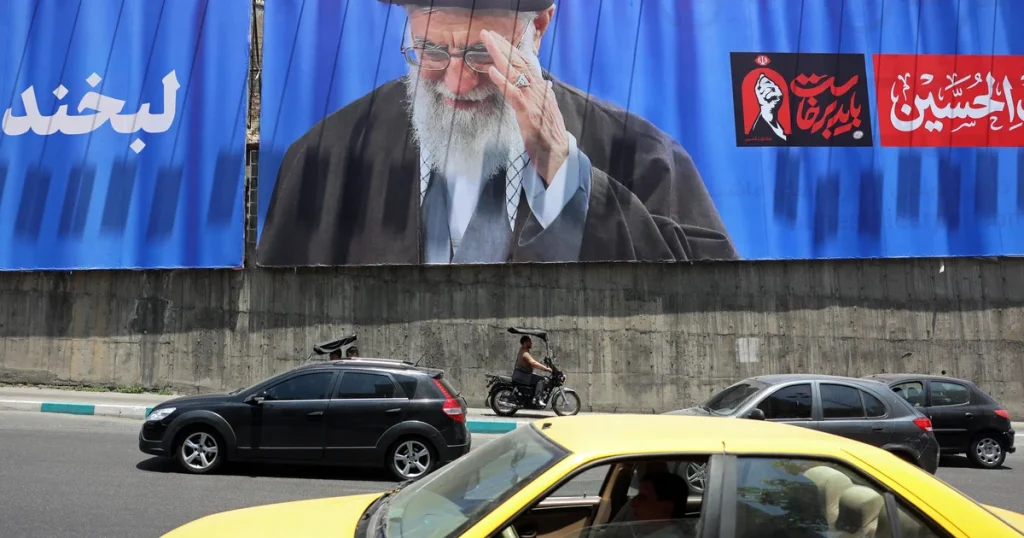
U.S.-Iran Latest: Talks Pause for Ayatollah’s Funeral Amid Trump Claims
U S Iran Latest – U.S.-Iran Latest: Diplomatic discussions between the United States and Iran have temporarily paused to mark the funeral of the late ayatollah Ali Khamenei. The decision to delay negotiations coincided with global attention on the mourning ceremonies, which underscored the symbolic significance of the event. Despite the pause, Trump and his team in Doha emphasized that progress had been made, signaling cautious optimism about the future of talks. The funeral, however, highlighted the ongoing tensions that have disrupted the region’s stability, with both nations maintaining a firm stance on key issues.
Flights Resume as Diplomatic Momentum Grows
Cathay Pacific, Hong Kong’s primary airline, has announced the resumption of services to the Middle East, including daily passenger flights to Dubai and four-times weekly routes to Riyadh. This move, effective September 1, follows a suspension in late February due to the conflict between the U.S. and Iran. While freight operations are set to restart on August 1, the airline has expressed readiness to monitor the situation closely, reflecting a cautious approach to reengaging with the region. The return of flights signals a potential shift in the geopolitical climate, though challenges remain.
The U.S.-Iran Latest developments suggest that renewed negotiations may be possible if the funeral’s impact on regional dynamics eases. With fuel costs fluctuating and the conflict’s economic repercussions evident, Cathay Pacific’s decision to restart services highlights the interplay between diplomacy and practical considerations in international trade. The airline’s cautious optimism aligns with broader efforts to stabilize the Gulf, even as hostilities continue to cast a shadow over the region’s future.
Funeral as a Symbol of Resistance and Unity
Ali Khamenei’s funeral has become a focal point for Iranian unity, with leaders urging widespread participation to demonstrate collective resolve against external pressures. The ceremonies, held at Tehran’s central religious complex, are expected to draw millions of mourners, reinforcing the event’s role in bolstering national morale. Mohammad Bagher Ghalibaf, Iran’s chief negotiator, emphasized that the funeral would serve as a reminder of the nation’s strength and determination, framing it as a pivotal moment for both domestic and international audiences.
“The Ayatollah’s legacy is a source of pride for all Iranians,” Ghalibaf stated, stressing the event’s symbolic value in uniting the populace. The funeral’s scale and significance have drawn participation from over 30 countries, with representatives from neighboring states like Iraq and Pakistan attending. This cross-border engagement underscores the interconnectedness of regional alliances and the shared goal of preserving stability amid ongoing hostilities.
As the U.S.-Iran Latest updates continue, the funeral’s influence on international relations remains a topic of discussion. While the event solidifies Iran’s resolve, it also presents an opportunity for the U.S. to reengage with the country’s leadership. The global response to the funeral highlights the complex interplay between mourning and diplomacy, with nations balancing respect for the late leader against their own strategic interests.
Pakistan Mediates Amid Regional Tensions
Pakistan, a key mediator in U.S.-Iran talks, has played a critical role in easing tensions since the conflict began. The country’s foreign ministry confirmed that Prime Minister Muhammad Shehbaz Sharif will attend the funeral, a gesture aimed at strengthening ties with Iran. This visit comes as Pakistan seeks to position itself as a bridge between the U.S. and its regional allies, leveraging its historical connections and shared cultural heritage. The nation’s strategic location further enhances its role in facilitating dialogue during this volatile period.
The U.S.-Iran Latest progress is being closely watched by Pakistan, which has long maintained diplomatic ties with both countries. Its ability to navigate the complexities of the conflict could determine the success of future negotiations. As the funeral concludes, Pakistan’s involvement is seen as a vital step toward de-escalation, with the nation’s leaders urging patience and cooperation in the coming days.
Despite the funeral’s emotional resonance, the U.S.-Iran Latest talks remain a work in progress. The temporary pause allows both sides to reassess their positions, though the path to resolution is still unclear. As the region’s leaders engage in dialogue, the focus keyword “U S Iran Latest” continues to anchor the narrative of ongoing diplomatic efforts and their impact on international stability.