
Live Updates: UAE accuses Iran of attacks in Strait of Hormuz as Vance says cheap oil and gas are “goal number one”
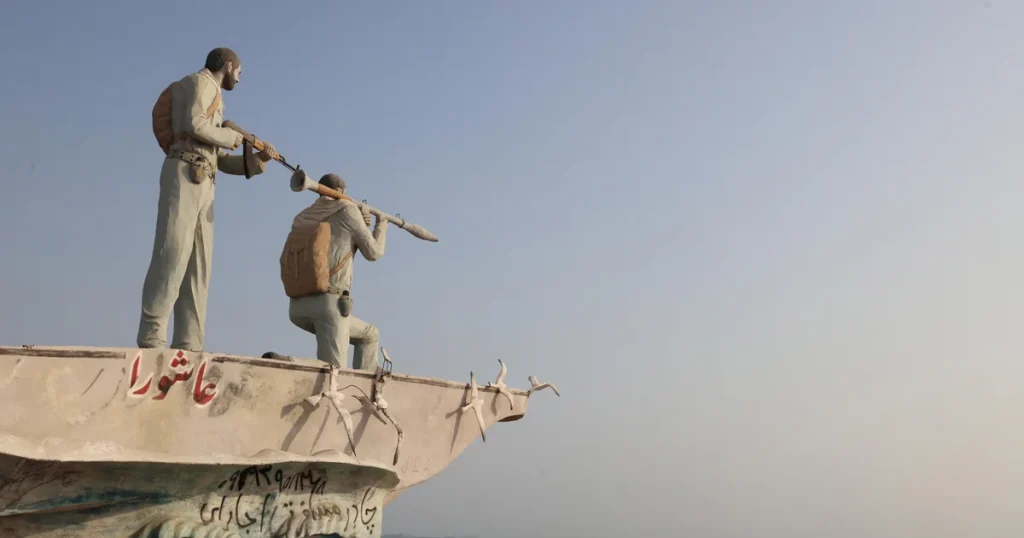
Regional Tensions Escalate as Iran Tightens Grip on Critical Waterway
Bizeconanalysis.com – Geopolitical tensions in the Persian Gulf reached new heights this week as multiple nations responded to escalating maritime incidents in the strategically vital Strait of Hormuz. The waterway, through which approximately 20 percent of the world’s oil supply passes daily, has become a focal point of confrontation between Iran and Western powers, with commercial shipping facing renewed threats.
Saudi-U.S. Defense Coordination Intensifies
Saudi Arabia’s Crown Prince Mohammed bin Salman held strategic discussions Thursday with Admiral Brad Cooper, commander of U.S. Central Command. The meeting focused on strengthening bilateral defense cooperation amid growing regional instability. According to the Saudi Press Agency, both leaders examined developments affecting regional security and explored mechanisms to reduce tensions while enhancing stability across the Middle East.
The timing of this high-level dialogue underscores Riyadh’s commitment to deepening military partnerships with Washington as maritime threats multiply. Saudi Arabia has emerged as a key regional player in responding to Iranian aggression, particularly following recent attacks on commercial vessels.
Iran Asserts Maritime Dominance
Rear Admiral Ali Azmaei, the newly appointed commander of the Islamic Revolutionary Guard Corps’ naval forces, declared that Iran maintains “complete and decisive” authority over the Strait of Hormuz. His assertion represents a bold challenge to international shipping freedom in waters that have become increasingly contested.
“We have complete and decisive control over movements,” Azmaei stated. “No activity in the Strait of Hormuz escapes the watch of the IRGC Navy’s fighters.”
The IRGC commander emphasized that observers should assess the situation based on ground realities rather than relying solely on official declarations from American policymakers. This position reflects Tehran’s broader strategy of demonstrating military capability while resisting external pressure.
Commercial Shipping Under Siege
The United Arab Emirates formally accused Iran on Friday of orchestrating attacks against two tankers operated by Abu Dhabi National Oil Company (ADNOC). The vessels were struck while navigating the Strait of Hormuz on Thursday evening, according to UAE officials. The foreign ministry characterized the incidents as a “hostile Iranian attack,” noting that no injuries were reported among crew members.
Saudi Arabia immediately joined the condemnation, with its foreign affairs ministry issuing a statement denouncing what it described as a “rejected repetition of Iranian attacks targeting commercial ships and tankers.” The kingdom’s response highlighted growing regional consensus against Iranian maritime aggression.
ADNOC confirmed that both vessels sustained damage but that the situation was “brought under control.” The official WAM news agency reported the company’s assessment, providing reassurance to international markets concerned about energy supply disruptions.
International Monitoring Confirms Drone Strikes
The United Kingdom Maritime Trade Operations (UKMTO) corroborated the UAE’s account, reporting two nearly identical drone strike incidents on tankers in the Hormuz region. Military authorities confirmed that a tanker was struck by an Uncrewed Aerial Vehicle while conducting an outbound transit of the strait.
“The vessel was subject to minor damage, crew are reported as safe and accounted for and no environmental impact has been reported,” UKMTO stated in its assessment.
While UKMTO did not explicitly confirm whether the affected vessels were ADNOC-affiliated, the timing and nature of the incidents strongly suggest connection to the UAE’s reported attacks. This marks the latest in a series of maritime incidents involving Iranian forces and their Houthi allies in Yemen, who have repeatedly targeted commercial shipping in both the Strait of Hormuz and the Red Sea.
Economic Warfare Expands
Treasury Secretary Scott Bessent announced plans for unprecedented economic pressure against Iran, describing a two-pronged strategy combining financial isolation with physical blockade of Iranian ports. Speaking to Newsmax on Thursday, Bessent promised measures that would “keep anything from going in or out of the Iranian ports.”
“It will be a combination of economic isolation, like the world has never seen before,” Bessent declared, adding that additional announcements were expected within days.
The Treasury Secretary’s aggressive posture represents a significant escalation from earlier diplomatic efforts. On August 4, Bessent had suggested that an agreement to reopen the strait could materialize within days, indicating a shift toward more confrontational tactics as negotiations stalled.
Priorities Shift in U.S. Strategy
Vice President JD Vance clarified the administration’s hierarchy of objectives regarding Iran, placing economic concerns above nuclear non-proliferation. Vance stated that securing affordable oil and gasoline for American consumers ranks as the primary goal, while preventing Tehran from developing nuclear weapons now occupies second position.
This prioritization reflects growing domestic pressure on the Biden administration to address energy costs, which have surged amid regional instability. The emphasis on economic outcomes suggests that policymakers view energy security as immediately critical to American prosperity.
Carrier Conditions Spark Debate
Meanwhile, the U.S. military’s Central Command dismissed reports of deteriorating conditions aboard the USS Abraham Lincoln aircraft carrier as inaccurate. The vessel has maintained deployment in the Middle East for nearly nine months, with lawmakers and family members raising concerns about supply shortages, inadequate food provisions, broken plumbing systems, and mental health challenges among crew members.
The carrier’s extended presence in the region underscores the sustained military commitment required to address escalating tensions. As diplomatic efforts continue, the Abraham Lincoln remains positioned to project American power and respond to emerging threats in one of the world’s most strategically important maritime corridors.
Related Reading
Frequently Asked Questions
What is Live Updates: UAE accuses Iran of attacks in Strait of Hormuz as Vance says cheap oil and gas are "goal number one"?
Live Updates: UAE accuses Iran of attacks in Strait of Hormuz as Vance says cheap oil and gas are "goal number one" is the main topic of this guide. The article explains the context, practical details, and next steps readers should understand.
Why does Live Updates: UAE accuses Iran of attacks in Strait of Hormuz as Vance says cheap oil and gas are "goal number one" matter?
Live Updates: UAE accuses Iran of attacks in Strait of Hormuz as Vance says cheap oil and gas are "goal number one" matters because readers are looking for a useful answer, not just a short summary. Good content should match search intent and help them decide what to do next.