
Live Updates: Trump formally signs U.S.-Iran deal as questions linger about nuclear program, missiles
Live Updates: Trump Signs U.S.-Iran Deal Amid Nuclear Concerns
Live Updates: Trump formally signs U.S.-Iran deal as questions linger about nuclear program, missiles – Live Updates: Trump formally signs U.S.-Iran deal as nuclear program questions remain – On June 17, 2026, President Donald Trump finalized the U.S.-Iran deal, a significant step in addressing Iran’s nuclear ambitions and missile activities. The agreement, signed remotely, sets the stage for potential long-term negotiations and aims to ease tensions between the two nations. While the deal is not a binding treaty, it includes a 60-day ceasefire, offering a framework to curb Iran’s nuclear capabilities and its ballistic missile program, which have been points of contention for years.
Trump’s Deal vs. the 2015 JCPOA
Unlike the 2015 Joint Comprehensive Plan of Action (JCPOA), the new agreement is framed as a more flexible alternative. Trump’s administration argues that this U.S.-Iran deal provides greater leverage by allowing Iran to retain some nuclear facilities while imposing stricter limitations on its enrichment capacity. However, the deal’s brevity—only a fraction of the JCPOA’s complexity—has raised concerns about its enforceability and the depth of commitments made. Critics question whether the agreement adequately addresses Iran’s missile program, a key issue for regional allies like Israel.
The U.S.-Iran deal’s focus on a temporary ceasefire contrasts with the JCPOA’s long-term restrictions. While the 2015 accord required detailed technical negotiations and imposed strict caps on Iran’s nuclear activities, the current framework is described as a “roadmap” for future talks. This approach allows both sides to avoid immediate confrontation but may leave room for ambiguity in critical areas, such as the pace of missile development and the timeline for nuclear concessions.
Remote Signing and Implementation
The U.S.-Iran deal was signed remotely, with Trump and Iranian President Masoud Pezeshkian participating from separate locations. Vice President JD Vance and Iranian Parliament Speaker Mohammad-Bagher Ghalibaf also digitally endorsed the agreement, according to U.S. officials. This method, which bypassed the planned formal ceremony in Switzerland, has sparked debates over its symbolic impact and the administration’s commitment to the deal.
The White House confirmed the agreement is now “in effect,” though its full details have not been disclosed. A 14-point summary provided during a phone call with journalists highlights the deal’s role as a temporary measure. Officials emphasized flexibility, stating that the 60-day window could be extended if necessary. This openness, however, has fueled uncertainty about the deal’s long-term effectiveness and Iran’s adherence to its terms.
Iranian Foreign Ministry spokesman Esmaeil Baqaei confirmed the signing, aligning with U.S. statements. Despite the remote process, the deal’s implementation is expected to follow a phased approach, with Iran committing to specific nuclear reductions in exchange for sanctions relief. The question remains whether this agreement will hold or if it will be a stepping stone to more comprehensive talks in the future.
Missile Concerns and Trump’s Rhetoric
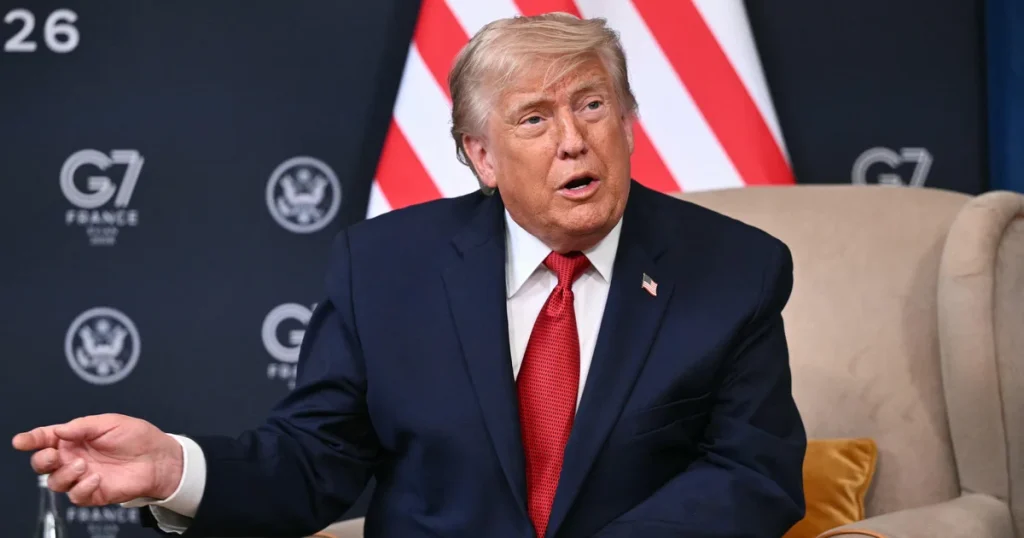
Trump addressed concerns about Iran’s missile program during a press conference, stating that while ballistic missiles are a matter of concern, they are not as critical as nuclear capabilities. “I don’t mind if Iran has ballistic missiles,” he said, arguing that other countries also possess them. This sentiment suggests that the U.S.-Iran deal may prioritize nuclear restrictions over missile limitations, though regional allies like Israel remain wary of Iran’s growing arsenal.
Trump also clarified that the 60-day timeline for a longer-term deal is not absolute. “Just as long as they’re behaving, I really don’t care that much,” he remarked, indicating the administration’s willingness to prolong negotiations. However, he had previously hinted that failure to reach an agreement within the window could lead to military action. This duality in messaging underscores the challenges of balancing diplomatic efforts with the threat of renewed conflict.