
Kenya investigates deaths of 15 elephants in Amboseli National Park
Kenya Investigates Deaths of 15 Elephants in Amboseli National Park
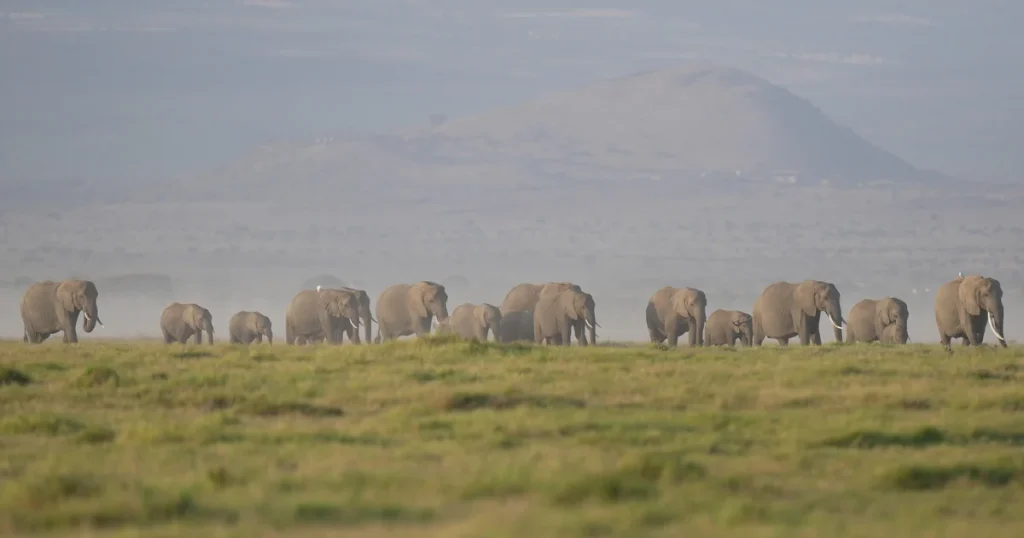
Bizeconanalysis.com – Kenya investigates deaths of 15 elephants following a concerning series of fatalities in the Amboseli National Park region. Wildlife authorities confirmed Tuesday that fifteen pachyderms have perished over the past month, prompting a comprehensive investigation into the mysterious circumstances surrounding these losses. The Kenya Wildlife Service (KWS) reported that ten of the deceased elephants exhibited signs of partial paralysis before succumbing within a two-day period, while the remaining five were discovered already dead with their carcasses partially consumed by local scavengers.
Most of the affected animals were female elephants accompanied by their calves, with only one male elephant among the deceased. According to official statements, these tragic events occurred primarily in the Kimana Sanctuary and Kuku Ranch areas that surround the renowned national park. This represents an unprecedented situation for the region, as officials note it is the first time in decades that elephant mortality has reached such significant levels in this particular ecosystem.
Investigation Findings and Preliminary Results
As Kenya investigates deaths of 15 elephants, wildlife officials have gathered substantial evidence to help determine the cause. Preliminary laboratory tests conducted by the University of Nairobi detected what researchers described as a “potential toxic substance” within samples collected from the deceased animals. However, separate analyses performed by Kenya’s Government Chemist yielded negative results for the specific toxins they tested, suggesting the investigation must continue with broader parameters.
“Environmental investigations are also being undertaken, including the analysis of water sources and other potential environmental contaminants within the affected areas, to establish whether the elephants were exposed to a common source,” KWS stated in an official communication.
Officials have emphasized that environmental factors are being thoroughly examined alongside potential poisoning scenarios. Kenya has historically experienced incidents involving elephant deaths related to both poaching activities and human-wildlife conflicts. However, the current situation appears distinct, with authorities working to identify whether a single environmental contaminant or multiple factors contributed to these losses.
Public Reassurance and Regional Context
Kenya investigates deaths of 15 elephants while simultaneously addressing public concerns about potential health implications. Wildlife authorities have been quick to reassure local communities and visitors that there is currently no evidence suggesting the condition could be transmitted to humans. This clarification comes as investigators continue their work to understand the full scope of the situation affecting Amboseli’s elephant population.
The Amboseli National Park holds particular significance as a wildlife sanctuary, situated near the Tanzania border at the northwestern foot of Mount Kilimanjaro. This strategic location has made it one of Kenya’s most important conservation areas for decades. According to BBC News, the Amboseli ecosystem supported more than 2,000 elephants as of 2025, making these recent losses particularly notable for conservationists and local communities alike.
As Kenya investigates deaths of 15 elephants, the KWS has committed to providing regular updates as additional testing results become available. The comprehensive investigation includes examining water quality, soil samples, and potential chemical exposure in the affected grazing areas. Conservation experts hope that understanding the cause of these deaths will help prevent similar incidents and protect Amboseli’s valuable elephant population for future generations.
Frequently Asked Questions
What is the current status of the elephant investigation in Kenya? Kenya investigates deaths of 15 elephants through ongoing laboratory testing and environmental sampling. The Kenya Wildlife Service continues to analyze water sources and potential contaminants while awaiting additional test results from the University of Nairobi and Government Chemist laboratories.
Are there any health risks to humans from the elephant deaths? Officials have confirmed there is no evidence suggesting the condition affecting the elephants could be transmitted to humans. The investigation focuses on environmental factors and potential toxins that may have affected the animals.
How significant are these elephant deaths for the Amboseli ecosystem? This represents the first major elephant mortality event in the region in decades. With over 2,000 elephants in the Amboseli ecosystem as of 2025, the loss of 15 animals is considered significant by conservation authorities.