
Argentina: Lethal Hantavirus Cases Rise as Climate Change Takes Toll
The country where lethal hantavirus cases – Argentina is seeing a sharp surge in hantavirus infections, with cases nearly doubling over the past year. The health ministry confirmed 101 new cases this year, up from 57 in the same period in 2025. This spike has also led to a rise in fatalities, with 32 deaths linked to the disease—the highest death toll since 2018. A key development occurred on the MV Hondius, a cruise ship that departed Ushuaia, Argentina’s southernmost city, on April 1 and is now heading to Spain’s Canary Islands. The vessel carries the legacy of two Dutch passengers who died from the virus after traveling through Argentina, including Chile and Uruguay, prompting an urgent investigation into the outbreak’s origins.
Shifting Patterns in Hantavirus Outbreaks
Hantavirus in Argentina has historically been concentrated in Patagonia, where a deadly 2018 outbreak infected dozens and claimed 11 lives. However, this season’s cases have spread to the central region, particularly Buenos Aires province. The province alone accounted for 42 of the 101 confirmed cases, signaling a departure from traditional hotspots. The Andes strain, known for its potential to transmit between humans, has been implicated in the recent cases, raising concerns about its adaptability to new environments.
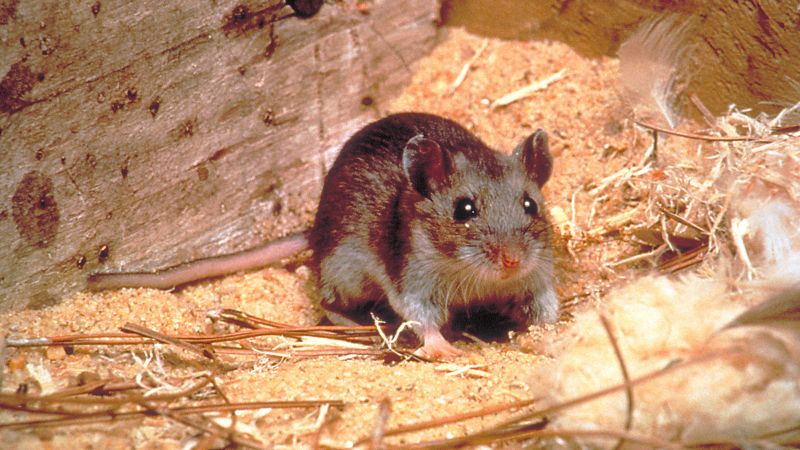
While Ushuaia has remained free of hantavirus for decades, the virus is still active in other parts of the country. Officials are examining the Dutch couple’s travel path, which included Misiones in the northeast and Neuquén in the south—regions where the long-tailed mouse, a primary carrier in Argentina and Chile, thrives. Scientists warn that climate change is altering rodent habitats, allowing them to expand into previously unaffected areas. This shift has increased human exposure, particularly as agricultural and urban development encroaches on natural environments.
Environmental and Human Factors Fueling the Outbreak
According to the health ministry, the current outbreak is linked to ecological shifts and increased human interaction with wild spaces. Warmer temperatures and erratic weather, including prolonged droughts and sudden heavy rainfall, have created more favorable conditions for the long-tailed mouse. “The virus’s spread is not just natural—it’s a consequence of human actions,” said Eduardo López, an infectious disease specialist. He highlighted how climate change and habitat disruption have allowed rodents to colonize new regions.
“Changes in climate, habitat destruction, and urban expansion into rural areas have all contributed to the appearance of hantavirus outside its historical range,” noted the ministry in a recent report.
Forest fires, another factor, have displaced both people and wildlife, increasing the risk of human-rodent contact. Roberto Debbag, a Latin American Vaccinology expert, added that unmanaged tourist areas further amplify the danger. “If vegetation isn’t cleared, it becomes a breeding ground for the virus,” he explained.
Investigating New Frontiers of Transmission
To combat the expanding threat, Argentina’s health ministry has sent teams to Ushuaia to study rodent activity near the Dutch couple’s travel route. The aim is to determine if the infection originated in Ushuaia or during their travels. Juan Petrina, the region’s epidemiology director, expressed skepticism about the latter. “The timeline suggests the couple contracted the virus in Ushuaia,” he said, emphasizing the need to understand how the disease is reaching new areas.
Climate change has also been tied to the virus’s increased fatality rate. This year, the death toll rose by 10 percentage points compared to the previous year, with officials attributing the trend to environmental degradation. Warmer temperatures, humidity fluctuations, and changes in vegetation have created ideal conditions for rodent populations to grow. As a result, human exposure has intensified, particularly in regions where natural habitats are being replaced by urban and agricultural developments.





