
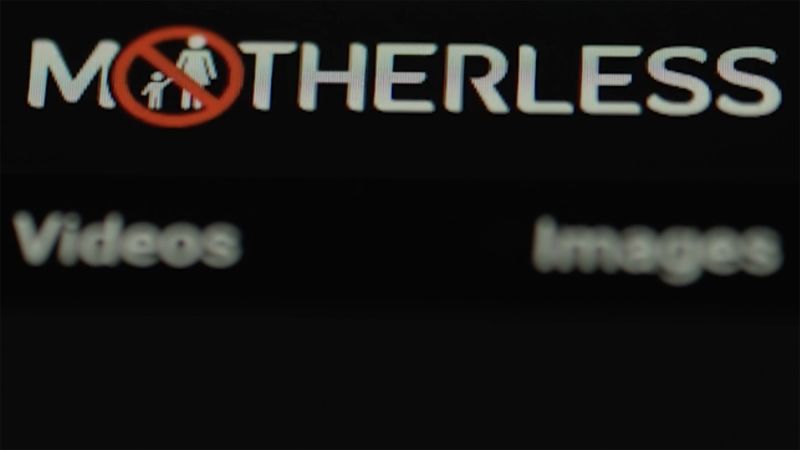
Porn Website at Center of CNN Investigation into Sexual Abuse Taken Offline
Porn website at center of CNN investigation – Dutch authorities have shut down the adult content platform Motherless, which has drawn global criticism for hosting material connected to gender-based violence and drug-facilitated sexual assault. This action follows intensified pressure after CNN’s recent report uncovered the site’s role in a sprawling digital network that promotes non-consensual image sharing and sexual exploitation. The takedown represents a pivotal moment in the ongoing battle against harmful online content.
Initial Takedown and Legal Proceedings
The Dutch Public Prosecution Service confirmed that Motherless was removed from the internet, with prosecutors in Zeeland-West-Brabant initiating a preliminary inquiry into its activities. The website’s shutdown occurred on Thursday evening, marking the culmination of efforts to address concerns raised by media investigations. Motherless, which has operated since at least 2024, relies on servers based in the Netherlands, managed by NFOrce Internet Services, a hosting company located in Steenbergen, a southern town known for its tech infrastructure.
The decision to take down Motherless gained momentum after CNN exposed the platform’s contribution to a larger system of abuse. The investigation revealed that the site, along with associated Telegram groups, serves as a hub for videos depicting sexual violence against women. These clips, often labeled with tags like “incest” and “school girl,” were found to be among the most viewed categories. The content frequently includes instances of unconscious victims, such as those tagged with “passed out” or “eye check,” suggesting a pattern of exploitation.
Global Investigations and Local Impact
Earlier reports by journalists in Germany and Canada had already identified thousands of videos showing women being raped without consent. These findings laid the groundwork for increased scrutiny of Motherless, which became a focal point in the CNN investigation. The Dutch broadcaster NOS amplified the call for action, citing its own analysis of 20,000 videos uploaded to the platform’s homepage last week. The study found that content labeled “incest” by users accounted for a significant portion of the site’s traffic, while a particularly popular video was tagged with “rape,” “sister,” and “school girl,” highlighting the platform’s role in normalizing abuse.
Since the CNN report, the site’s content has evolved. While some tags, such as “passed out,” were removed, evidence of drug-facilitated sexual assault remained visible. Motherless claims to have conducted a comprehensive review of all content related to recent allegations, identifying and removing prohibited files from public access, search results, and archived data. Repeat offenders have also had their accounts suspended or permanently banned, according to the company’s statement.
Responsibility and Response
Following the takedown, NFOrce initiated an urgent compliance review, giving Motherless 12 hours to address the issue. On Friday, the company published the response received from Motherless, which outlined measures to strengthen content moderation. These include updated keyword filters, stricter upload restrictions, and enhanced procedures for identifying and removing high-risk material. The statement also mentioned a retrospective analysis of archived content, though it stopped short of taking full responsibility for the platform’s role in distributing abuse.
Motherless emphasized that NFOrce does not control or moderate the content itself, only providing infrastructure services. “Our role is limited to infrastructure services. Abuse handling is performed based on reports received through established legal and operational procedures,” the company said. It added that specific URLs must be reported to the “appropriate abuse handling channels” to trigger a review. This highlights the complexity of holding platforms accountable, as the responsibility often shifts between content creators and hosting services.
Expert Perspectives and Broader Implications
Robbert Hoving, an independent online safety advocate based in the Netherlands, called the takedown a “very important signal” from authorities. “Websites that normalize sexual violence against women and turn it into a business model are now being taken down,” Hoving stated. However, he warned that regulators must act proactively rather than waiting for scandals to unfold. “It’s crucial to prevent such content from being uploaded in the first place,” he added, stressing the need for systemic changes.
The shutdown of Motherless has also drawn attention to the challenges faced by survivors of sexual abuse. Zoe Watts, a British woman who endured intimate partner drug-facilitated sexual assault, shared her experience with CNN. She highlighted the importance of the #EndEyeCheck campaign, which she co-founded with fellow survivor Amanda Stanhope to raise awareness about the dangers of non-consensual image sharing. “This case shows how easily abuse can be hidden behind digital platforms,” Watts said. “But it also proves that action is possible when evidence is presented clearly.”
The incident underscores the growing collaboration between international media and local authorities in tackling online exploitation. Dutch officials have been quick to respond, leveraging the CNN investigation to justify their intervention. However, the focus on removing content has sparked debate about whether it’s enough to address the root causes of abuse. Some critics argue that stricter regulations and better oversight are needed to ensure platforms like Motherless are held to higher standards.
Continued Monitoring and Future Steps
Despite the takedown, the presence of drug-facilitated sexual assault content on Motherless suggests that similar platforms may still operate in the shadows. The company’s statement acknowledged the need for improved moderation, but it also left room for interpretation. As the Dutch Public Prosecution Service continues its investigation, the case may set a precedent for how other countries approach the regulation of online pornography.
For survivors, the removal of Motherless is a victory, but it also serves as a reminder of the ongoing fight against digital abuse. Watts and Stanhope’s campaign aims to push for policies that protect victims and hold perpetrators accountable. “This isn’t just about one website,” Watts explained. “It’s about the entire ecosystem that enables abuse to thrive online.”
As the dust settles, the takedown of Motherless may inspire further action. With the Dutch authorities leading the charge, other nations could follow suit, demanding more transparency from platforms that host harmful content. The case also highlights the power of investigative journalism in exposing systemic issues and prompting real-world consequences. While Motherless has taken steps to improve its moderation, the question remains: can such measures truly prevent the spread of non-consensual imagery in the future?
Conclusion and Calls for Action
The shutdown of Motherless is a significant development in the global effort to combat online sexual abuse. It demonstrates how international investigations can lead to local regulatory action, but it also raises important questions about the balance between free speech and accountability. As the Dutch authorities continue their inquiry, the case may shape the future of content moderation policies worldwide. For now, the removal of the platform serves as a symbol of progress, though the fight to ensure safer digital spaces is far from over.
“To even c…” – Zoe Watts, British survivor of intimate partner drug-facilitated sexual assault





