
Trump lashes out at “fools” who oppose Iran deal amid bipartisan criticism
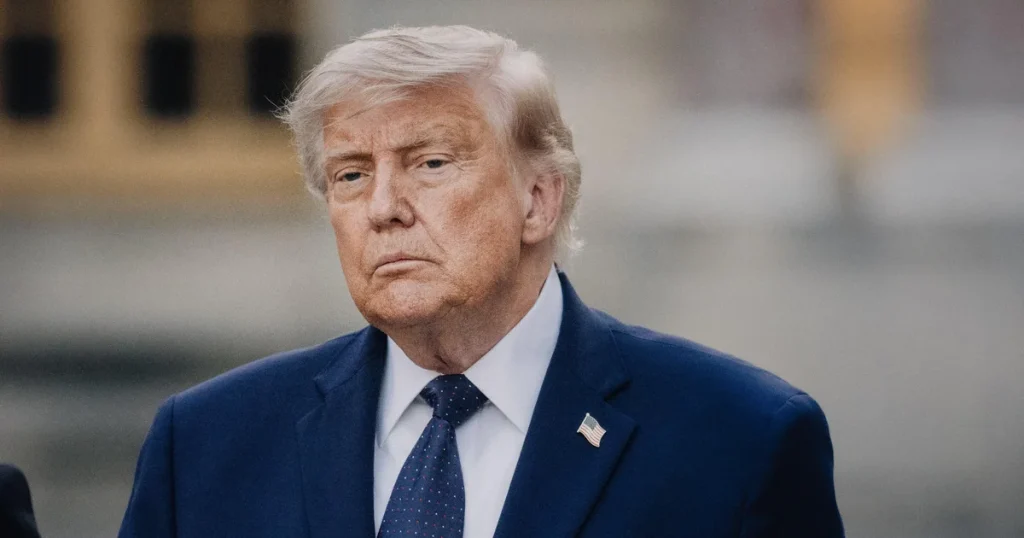
Trump Criticizes “Fools” Opposing Iran Deal Amid Bipartisan Backlash
Trump lashes out at fools who oppose – Following the conclusion of the G7 summit, President Donald Trump launched a scathing attack on critics of the U.S.-Iran nuclear agreement, labeling them as “fools” who fail to recognize the deal’s benefits. In a post on his social media platform, Truth Social, Trump emphasized his frustration with opponents, stating they were either “jealous, bad people, or stupid” for their resistance to the agreement. He pointed to the recent surge in the stock market and the decline in oil prices as evidence of the deal’s positive impact, suggesting their objections were misguided.
Bipartisan Concerns Over Iran Deal
While the agreement has drawn criticism from some Republican lawmakers, it has also faced scrutiny from Democratic representatives. The deal, officially termed the Memorandum of Understanding (MOU), aims to ease economic sanctions on Iran in exchange for limitations on its nuclear capabilities. However, concerns persist about its long-term implications, particularly regarding Iran’s ability to maintain its influence in the region and its potential to fund terrorist activities. The bipartisan criticism underscores a growing divide over the strategy’s effectiveness in securing U.S. interests.
“Iran’s nuclear ambitions were not curbed, and they have learned that threatening the Strait of Hormuz works and will undoubtedly leverage it in the future,” said Louisiana Senator Bill Cassidy, a vocal critic of the deal.
Cassidy, who has taken a prominent stance against the agreement, argued that Iran would gain significant advantages under the terms. His comments reflect a broader sentiment among some Republicans that the deal fails to address Iran’s ongoing threats. “Now, Iran gets to build brand-new infrastructure under this deal,” he added. “Before the war, the strait was open, Iran was being crushed by sanctions, and 13 service members were still alive. Now, 13 Americans are dead, families have paid billions at the pump, and sanctions will be lifted.” This stark contrast highlights the perceived risks of the agreement, particularly in the context of the ongoing conflict in the region.
Cassidy’s opposition has intensified since his defeat in the Louisiana primary to Trump-endorsed candidates Julia Letlow and John Fleming. The loss may have fueled his frustration with the administration’s approach, as he now faces a Senate runoff. His criticism also echoes that of other Republicans, including Senator Ted Cruz, who questioned the wisdom of the deal. Cruz, speaking to reporters on Capitol Hill, claimed the president was receiving “some really bad advice” on the Iran agreement, suggesting the administration’s strategy lacked clarity.
“History demonstrates that giving billions of dollars to theocratic lunatics who want to murder us is an exceptionally bad idea,” Cruz remarked.
Despite the bipartisan pushback, Trump defended the deal, framing it as a necessary step to stabilize the region and improve economic conditions. He highlighted the $300 billion reconstruction fund allocated to Iran, which he argued would come from private investors rather than U.S. taxpayers. Yet, critics contend that the fund could be used to bolster Iran’s support for groups like Hezbollah, further complicating the deal’s long-term goals. “If we give billions of dollars to Iran, that money will be used to murder Americans,” Cruz added, reinforcing his argument that the agreement risks U.S. security.
Republican Lawmakers Highlight Strategic Concerns
Other Republican senators joined the chorus of criticism, focusing on the agreement’s potential to weaken U.S. leverage in the region. Senator John Cornyn, a Texas Republican, expressed worry that Iran’s new financial flexibility would undermine the efforts of Israel, which he felt was left out of the deal’s provisions. “The memorandum of understanding negotiates away the victories of Operation Epic Fury in ways that are completely out of step with the President’s goals,” Cornyn noted, referring to the military operation that had previously disrupted Iran’s access to key shipping routes.
“I would encourage them to continue to take the fight to Hezbollah, because, unfortunately, now Iran is going to have hundreds of millions of dollars to support its terrorist proxies,” Cornyn stated.
Senator Roger Wicker, a member of the Armed Services Committee, echoed similar concerns, warning that the deal might prioritize economic concessions over strategic military objectives. His comments reflect the broader anxiety among Republicans about the agreement’s alignment with national security priorities. Meanwhile, Senator Thom Tillis called for more detailed information than the brief 14-point plan released on Wednesday, deeming it “inadequate” for a comprehensive evaluation.
Not all Republicans were uniformly critical. Senator Lindsey Graham, a Trump ally and former advocate for military action against Iran, offered a more tempered endorsement. After speaking with special envoy Steve Witkoff, Graham acknowledged the deal’s potential benefits, stating, “After this discussion, it is my opinion that signing the MOU will be beneficial to the United States, in as much as the Strait of Hormuz will begin to open, and the hostilities with Iran will stop.” While he conceded that the agreement’s terms would need further refinement, Graham emphasized the importance of halting conflict and fostering economic stability.
“The economic stability that comes from opening up the Strait and the cessation of hostilities could create a pathway to peace well beyond the Iranian conflict,” Graham wrote.
Senate Majority Leader John Thune, who has also voiced reservations about the deal, reiterated the need for a clear assessment of its long-term consequences. Thune’s comments align with the growing debate over whether the agreement represents a strategic win or a potential misstep. The discussion highlights the tension between immediate economic relief and the risk of Iran’s continued nuclear development and regional aggression.
As the debate continues, the Iran deal remains a focal point for both Republican and Democratic lawmakers. While some argue that the agreement offers a pragmatic path to peace, others warn of its pitfalls. The outcome of this discussion could shape U.S. foreign policy for years to come, with the nation’s leaders divided on the best approach to dealing with Iran’s nuclear ambitions and its geopolitical influence.