
Saudi leaders, Netanyahu give Trump their input on Iran war as conflict enters 6th month
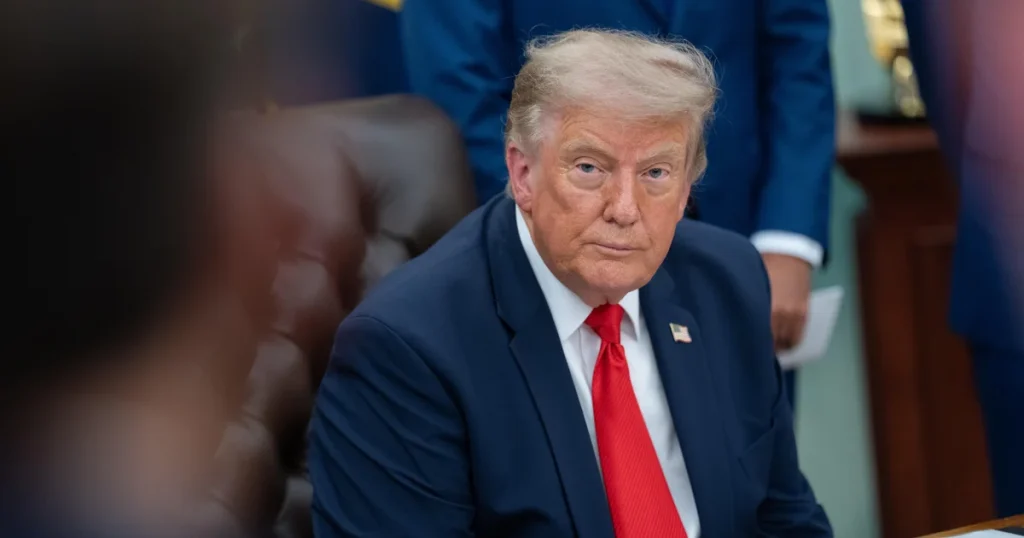
Saudi Leaders, Netanyahu Give Trump Input on Iran War
Bizeconanalysis.com – The U.S.-Israeli conflict in Iran has intensified across the Middle East, and President Trump is evaluating his next moves to reopen the Strait of Hormuz while extracting concessions from Iran’s hardening leadership. During Wednesday meetings with Mr. Trump and Vice President JD Vance, Saudi Defense Minister Prince Khalid bin Salman shared the Kingdom’s view that Tehran seeks leverage through escalation, primarily via proxy forces in Yemen and Iraq.
Prince Khalid’s Washington visit was postponed due to recent military strikes, according to insiders familiar with his schedule. The Saudis have now joined U.S. operations against Iranian-backed militias in Iraq and conducted separate strikes against Houthis, marking the first public involvement of a Persian Gulf nation in this war.
Describing these operations as defensive measures, Saudi Arabia reported at least 20 casualties, including Iranian military advisers, in coordinated strikes. The Kingdom’s leadership remains cautious about further regional escalation that could prolong the conflict, now in its sixth month.
Diplomatic Meetings Shape U.S. Strategy
Crown Prince Mohammed bin Salman and his brother Khalid bin Salman have expressed concern that Israeli Prime Minister Benjamin Netanyahu, who initiated the war in February alongside the U.S. and met with Mr. Trump Tuesday, is advocating for escalation. During their Oval Office discussion, Prime Minister Netanyahu presented three strategic options: a nuclear-focused agreement, an economic blockade, and targeted military strikes on supply routes, according to a senior Israeli official.
The Israeli official characterized the Trump-Netanyahu conversation as “very clinical.” Following this meeting, Netanyahu held additional discussions with Defense Secretary Pete Hegseth and Under Secretary of War for Policy Elbridge Colby, alongside a private session with U.S. envoy Steve Witkoff.
Netanyahu is not a vassal of Trump, and Trump is not a vassal of Netanyahu.
Options for Resolving the Conflict
Speaking to reporters after the Oval Office meeting, a senior Israeli official defended Netanyahu’s initial projection of a four-to-six-week war, noting that the “tense part” would last that duration. Neither the White House nor Israeli officials released an official readout of their leaders’ discussion.
The official acknowledged that economic sanctions and blockades could encourage pragmatic Iranian officials toward diplomacy. When asked about potential negotiation partners, the official identified only one name—Foreign Minister Abbas Aragchi—describing him as a realist rather than a moderate.
Netanyahu remains sensitive to perceptions of pushing Mr. Trump in any particular direction regarding the war. While the prime minister believes regime change in Iran remains the only lasting solution, U.S. intelligence currently does not assess that renewed strikes would dislodge the Tehran government.
The United Arab Emirates conducted dozens of airstrikes against Iran this spring without public announcement. Gulf allies hosting U.S. troops, including Kuwait and Bahrain, have faced near-daily drone and missile attacks from both Iranian and Iraqi territory.
Kuwaiti ambassador to the U.S. Sheikha al Zain al Sabah publicly denied her country’s participation in strikes on Iran following Wall Street Journal reports. The Kingdom also communicated its willingness to respond to Houthi threats against Saudi naval vessels in the Red Sea.
FAQ: Understanding the Saudi-Israeli-U.S. Dynamic
What role are Saudi leaders playing in the Iran conflict?
Saudi leaders, including Crown Prince Mohammed bin Salman and Defense Minister Prince Khalid bin Salman, are actively coordinating with the U.S. and Israel. They have participated in strikes against Iranian-backed militias and are providing strategic input to President Trump on potential war options.
How does Netanyahu’s position compare with Saudi interests?
While Saudi leaders seek to avoid further regional escalation, Netanyahu has been pushing for more aggressive measures. The two leaders met with Trump to present their perspectives, with Saudi Arabia emphasizing defensive actions and diplomatic solutions alongside military options.
What are the main options being considered for ending the conflict?
The three primary options include: (1) a deal focused on removing Iran’s nuclear material, (2) implementing a blockade with additional economic pressure, and (3) conducting military strikes targeting land supply routes. Each option carries different implications for regional stability.
Are Gulf nations directly involved in the conflict?
Yes. Saudi Arabia and the UAE have conducted airstrikes against Iranian targets. Kuwait and Bahrain, which host U.S. troops, have been responding to incoming drones and missiles. Kuwait recently denied participating in strikes on Iran despite earlier reports.