
The Trump administration says the food stamp program is rife with fraud and waste. Is it?
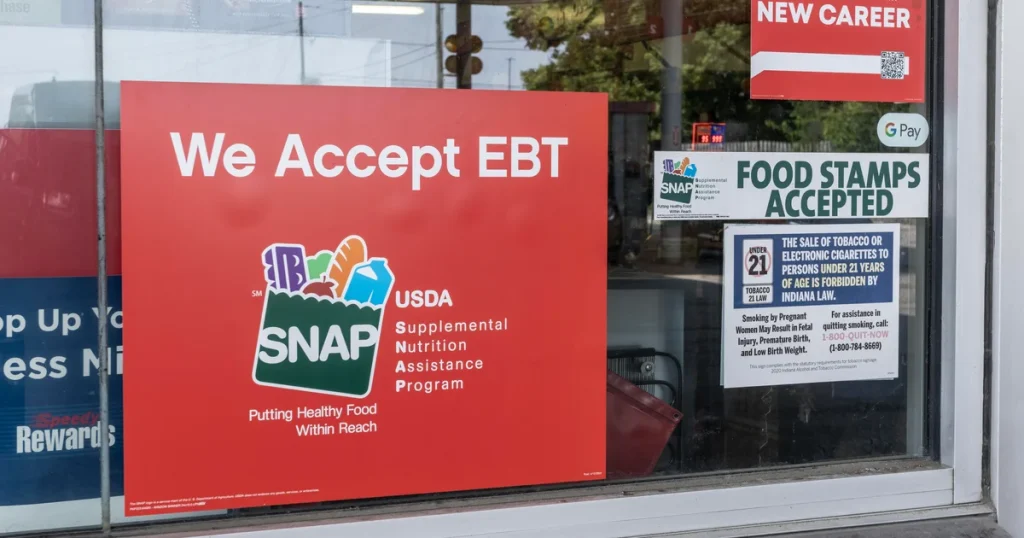
Trump Admin Claims SNAP Program Is Rife with Fraud and Waste
The Trump administration says the food – The Trump administration asserts that the Supplemental Nutrition Assistance Program (SNAP), commonly referred to as food stamps, faces significant fraud and waste. While the administration highlights systemic inefficiencies, advocates for hunger relief stress that many errors stem from unintentional mistakes rather than deliberate misconduct. The debate centers on whether these missteps are a legitimate concern or an overreach that could weaken the program’s ability to support millions of low-income households.
Federal Standards and Payment Error Rates
Recent federal data reveals a notable spike in the SNAP program’s payment error rate. Under the 2025 “Big, Beautiful Bill Act” (OBBBA), the error rate climbed to 10.6% in fiscal year 2025, doubling the 6% target set by Republicans. This means over $10 billion was distributed incorrectly, a fraction of the program’s $95.7 billion annual budget. The rise has prompted scrutiny over whether these errors reflect widespread fraud or the complexities of managing a large-scale assistance program.
Experts explain that the error rate measures both overpayment and underpayment, often due to policy changes or administrative challenges. While intentional fraud—such as EBT card skimming or selling benefits illegally—remains a concern, the majority of errors are unintentional. This distinction is crucial for understanding the true financial impact of the administration’s claims.
State-Level Efforts to Address Errors
States have been tasked with reducing payment errors to meet the OBBBA’s 6% benchmark. This has led to a reallocation of resources, with agencies prioritizing quality control over fraud investigations. Policy director Alexis Kuznick of the American Public Human Services Association (APHSA) noted that states are now focused on minimizing errors, which are seen as an indicator of program efficiency. However, critics argue this shift risks neglecting fraudulent activities that still cost the system billions.
Despite the high error rate, the program’s annual fraud losses remain relatively modest compared to its total spending. According to the Government Accountability Office (GAO), SNAP incurred about $1 billion in fraud-related costs in 2024. While the Trump administration emphasizes these figures, advocates stress that the error rate is a broader issue, affecting millions of households who may unintentionally receive incorrect benefits.
Fraud’s Financial Toll and Public Concerns
The Trump administration’s focus on fraud has intensified calls for stricter oversight. While the OBBBA aims to cut costs, some fear it could penalize states that struggle to meet the 6% error threshold. This could lead to a scenario where states prioritize reducing errors over identifying deliberate fraud. For example, the USDA report highlights potential issues like duplicate enrollments, but these are described as “possible” rather than confirmed fraud cases.
SNAP’s role in alleviating food insecurity remains central to its mission. Advocates argue that even with errors, the program is vital for families facing hunger. “The food stamp program is not just about numbers; it’s about providing immediate relief to those in need,” said Gina Plata-Nino, director of the Food Research & Action Center (FRAC). She emphasized that the administration’s framing of errors as fraud may overshadow the program’s essential function.
Measuring the Impact of Error Reduction
With the error rate doubling under new federal standards, states are now under pressure to implement reforms. These efforts include simplifying application processes and improving data tracking to catch mistakes early. While the OBBBA’s goals are clear, the effectiveness of these measures in curbing fraud remains uncertain. Critics warn that the focus on errors could lead to stricter policies that inadvertently penalize legitimate recipients.
Public opinion reflects the divide between the administration’s claims and the program’s supporters. Surveys show that while many acknowledge the need for improvement, they also recognize the importance of SNAP in fighting hunger. The debate continues as policymakers weigh the costs of errors against the benefits of the program for millions of Americans.