
Luigi Mangione pleads guilty in federal case, admits shooting UnitedHealthcare CEO Brian Thompson
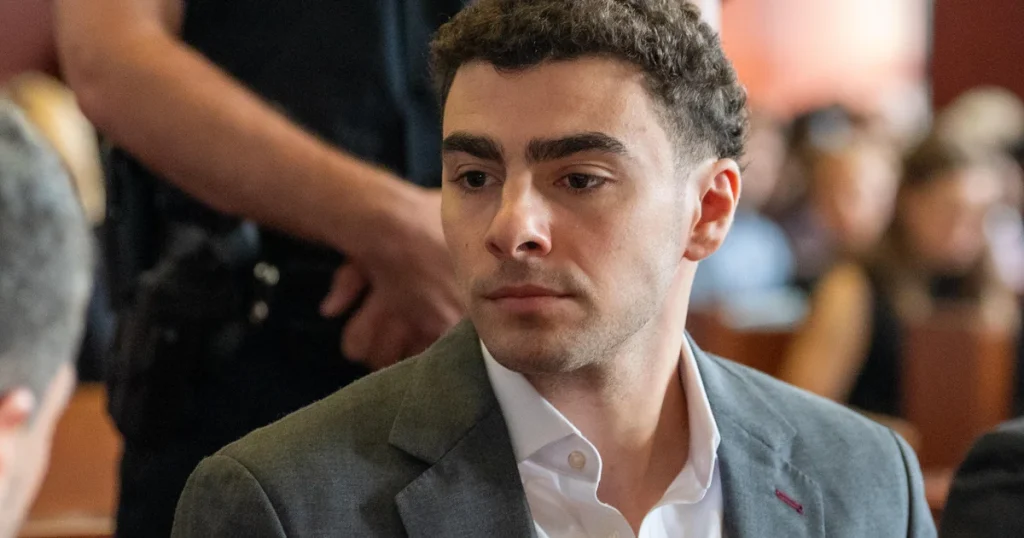
Luigi Mangione Pleads Guilty in Federal Case
Bizeconanalysis.com – Manhattan federal court saw a significant development Friday as Luigi Mangione formally entered a guilty plea for the fatal shooting of UnitedHealthcare CEO Brian Thompson. The 28-year-old defendant acknowledged his involvement in the December 2024 attack that occurred outside a Midtown Manhattan hotel, marking a major milestone in one of the most closely watched cases in recent American legal history.
This guilty plea in federal court resolves the federal portion of Mangione’s legal challenges, though separate state proceedings continue. The defendant had previously entered not-guilty pleas in both jurisdictions, creating what promised to be a complex legal situation. Federal sentencing is set for December 18, with Mangione potentially facing life imprisonment.
Courtroom Proceedings and Mangione’s Statement
Proceedings began shortly after their scheduled 11 a.m. start time, with Thompson’s family members arriving around 10:50 a.m. Reporters and members of the public filled the gallery. Mangione entered at approximately 11:10 a.m., his feet secured in shackles and his hands positioned behind his back, wearing tan prison attire over a white T-shirt.
Just before 11:15 a.m., defense counsel informed the judge that Mangione was prepared to plead guilty to the indictment. When the judge confirmed this with the defendant, Mangione simply responded, “Yes.”
Before accepting the plea, the judge conducted a thorough competency evaluation, questioning Mangione about his medical history, medication usage, and drug consumption. The judge ultimately determined that Mangione possessed full mental capacity to enter the guilty plea voluntarily and with understanding.
“Unlike my previous interactions with insurers, I received an immediate response within an hour,” Mangione told the court regarding his efforts to learn about the UnitedHealthcare investor conference.
Mangione’s Personal Account of the Shooting
In a compelling personal statement, Mangione recounted the circumstances that led to the fatal encounter. He described years of suffering from a broken back and his extensive navigation of America’s health insurance system. Having witnessed others endure similar struggles, Mangione became determined to take action.
He learned about UnitedHealthcare’s annual investor conference in New York through non-public channels and traveled to attend. Posing as an investor, he contacted UnitedHealthcare leadership via email to gather additional information about the event. His persistence paid off when he received a swift response from the company.
Mangione explained that he utilized a 3D printer to manufacture components of his weapon before traveling to New York with the firearm, silencer, and ammunition magazine. His stated purpose was clear: to shoot Brian Thompson.
“On the morning of December 4, 2024, I shot Mr. Thompson in Manhattan and he died,” Mangione told the court. “When I did so, I understood that my actions would place him in fear of death or serious bodily injury. I knew what I was doing was illegal.”
Federal Charges and Sentencing Framework
The federal case against Mangione initially encompassed four charges related to Thompson’s death. Two of these charges—murder through use of a firearm and an additional firearms violation, one of which carried the possibility of capital punishment—were dismissed earlier in the year. Federal prosecutors declined to appeal those dismissals.
What remained were federal stalking charges, which carry the potential for life imprisonment without parole eligibility. The judge informed Mangione that the federal system offers no parole opportunities, though good behavior and participation in rehabilitation programs may influence the length of his incarceration. He will be required to serve 85 percent of whatever sentence is imposed.
Notably, no formal plea agreement exists between the prosecution and defense. Mangione’s attorney confirmed this absence of a negotiated settlement, meaning the judge retains broad discretion in determining the appropriate sentence.
State Trial and Double Jeopardy Considerations
While the federal case moves toward resolution, Mangione’s state trial remains on track to commence in September. His legal team has submitted a motion seeking dismissal of state charges under New York’s double jeopardy provisions, arguing that federal proceedings should preclude state prosecution for the same conduct.
The Manhattan district attorney’s office has signaled its intention to oppose this motion, maintaining that state and federal charges address different legal violations. This creates an interesting legal dynamic where Mangione could potentially face separate trials in both jurisdictions for the same incident.
What Happens Next?
With the federal guilty plea entered, the focus now shifts to sentencing preparations. Both prosecution and defense teams will submit sentencing memoranda outlining their positions on appropriate punishment. Mangione’s legal team is likely to emphasize his personal circumstances and the circumstances surrounding the shooting, while prosecutors may highlight the severity of the crime and its impact on victims and the broader community.
The state trial, if it proceeds, will follow a different timeline and potentially different evidentiary standards. Regardless of the outcome in either jurisdiction, Mangione’s case has already captured national attention and raised important questions about healthcare access and corporate accountability in America.
Frequently Asked Questions
What charges is Luigi Mangione facing in federal court? Mangione faces federal stalking charges related to the shooting of Brian Thompson, which carry the potential for life imprisonment without parole eligibility.
When is the federal sentencing scheduled? Federal sentencing is set for December 18, 2024, with Mangione potentially facing life imprisonment.
Is there a plea agreement in place? No formal plea agreement exists between the prosecution and defense. Mangione’s attorney confirmed this absence of a negotiated settlement.
What happens with the state charges? Mangione’s state trial remains on track to commence in September. His legal team has submitted a motion seeking dismissal under New York’s double jeopardy provisions.
Will Mangione be eligible for parole? The federal system offers no parole opportunities for Mangione’s charges, though good behavior and participation in rehabilitation programs may influence the length of his incarceration.