
Transcript: Rep. Ro Khanna on “Face the Nation with Margaret Brennan,” June 7, 2026
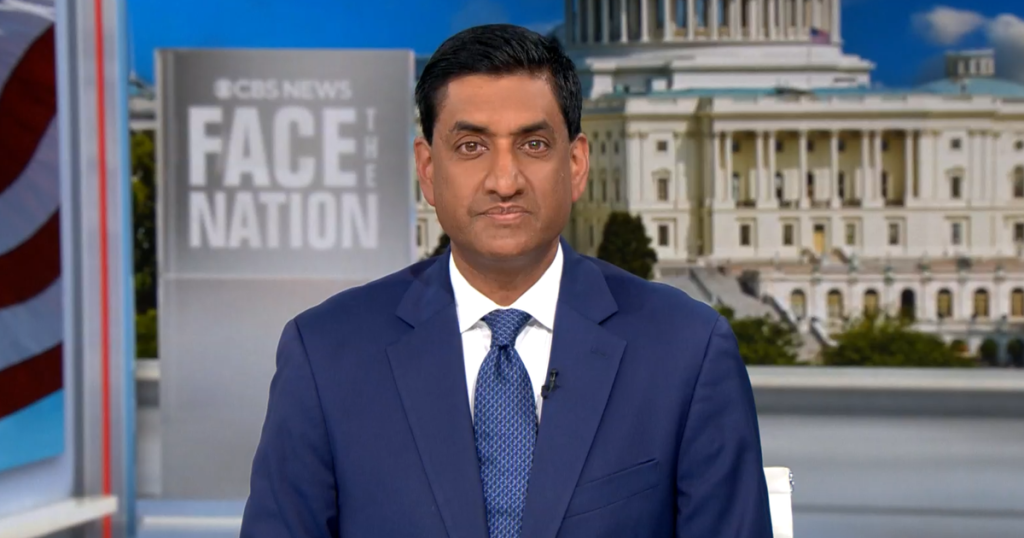
Transcript: Rep. Ro Khanna on “Face the Nation with Margaret Brennan,” June 7, 2026
Transcript – The following is the transcript of a discussion featuring California Democratic Congressman Ro Khanna, who participated in the June 7, 2026, episode of “Face the Nation with Margaret Brennan.” The conversation centers on the ongoing Maine Democratic primary, which will shape the future of the Senate race in the state.
Primary Race and Candidate Profile
During the interview, Margaret Brennan opened with questions about the Maine primary, which is set for Tuesday. She noted that the contest will decide who will challenge Susan Collins, the Republican senator who has held her seat for years. Brennan highlighted Graham Platner, a prominent candidate in the race, as a key figure. Platner, a decorated veteran turned oyster farmer, has emerged as a contender with a message focused on dismantling the political establishment. Khanna, who is campaigning for Platner, explained his rationale for continuing support despite recent scrutiny of the candidate’s personal conduct.
“Graham Platner is running on a platform that directly addresses the issues I care about most—expanding healthcare access, taxing the wealthy, and opposing unnecessary foreign conflicts,” Khanna stated. “He has shown personal growth, taking responsibility for his past actions, and his focus remains on policies that benefit everyday Americans.”
Personal Conduct and Public Perception
Brennan delved into specific allegations against Platner, including a claim that he sent sexually explicit messages to multiple women while married. She also mentioned his past use of a tattoo featuring Nazi imagery, which he has since covered up. Khanna acknowledged these points but emphasized that they are part of a broader narrative about the candidate’s character. He defended Platner’s actions, suggesting that they reflect a journey of redemption rather than a definitive flaw.
“Graham has admitted his behavior was misogynistic and shameful,” Khanna said. “He has taken accountability for his past mistakes and is now focused on issues like healthcare and the wealth gap. That’s what matters most in this race.”
Brennan then raised concerns about Platner’s social media posts, which some critics argue downplay sexual assault and insult rural communities. She also asked whether Khanna believed all the damaging information about Platner had been fully revealed. Khanna responded that while details have come out, the core of the story remains intact, and he is confident in the candidate’s commitment to change.
“Before the primary, a lot of the information has been shared publicly,” Khanna explained. “But we should not lose sight of the main goal: electing someone who will fight for progressive values. Graham has made it clear that his actions were wrong, and he is focused on correcting them.”
Contextualizing the Allegations
Brennan pressed further, citing a personal account from Lyndsey Field, a woman who dated Platner for two years. She shared that Platner once left an AR-15 rifle in his Capitol Hill apartment and told her he would rape someone to assert dominance if they broke in. Field confirmed that Platner never physically harmed her but described instances of verbal aggression, including grabbing her shoulder and pulling her arm during a disagreement. Brennan noted that the “believe all women” mantra has been central to recent discussions about sexual misconduct, asking whether Khanna believed Field’s testimony.
“Yes, I do,” Khanna replied. “Lyndsey has been brave in coming forward, and her story deserves to be heard without political bias. Some people try to dismiss her by pointing out she is a Republican, but that’s irrelevant. What matters is the truth of her experience.”
Khanna also addressed the lack of evidence for physical violence, asserting that the absence of such proof is a critical distinction. He argued that while Platner’s behavior may have been inappropriate, it does not cross the line into violence unless proven otherwise. This, he said, is a key factor in determining whether Platner’s candidacy is credible.
“Even the New York Times article highlighted that there was no harm or injury caused by Platner’s actions,” Khanna said. “The focus should be on his character flaws and how they align with his policy goals. His past mistakes are part of his story, but they don’t define his future.”
Policy Priorities and Political Strategy
Brennan then shifted the conversation to Platner’s policy stances, particularly his position on national healthcare and foreign wars. Khanna used this opportunity to contrast Platner’s platform with that of Susan Collins, the Republican senator he is challenging. He noted that Platner advocates for universal healthcare, while Collins has supported cuts to the program. Khanna also criticized Collins for her backing of the Iran war, framing Platner as a more progressive choice for the Senate.
“Graham’s focus is on stopping the war in Iran and expanding healthcare coverage,” Khanna explained. “These are the issues that matter to Mainers, and his personal struggles with PTSD and alcoholism have made him more relatable to voters. We should celebrate his growth rather than dwell on past errors.”
Khanna’s comments underscored the importance of contextualizing personal conduct within a candidate’s broader vision. He argued that voters should prioritize policy over past missteps, provided there is no evidence of serious harm. This perspective reflects a strategic approach to the primary, where the goal is to unite the Democratic base behind a candidate who can challenge Collins effectively.
Conclusion and Broader Implications
As the interview drew to a close, Brennan asked about the implications of supporting Platner for the national Democratic strategy. Khanna responded by emphasizing the need to focus on the issues rather than let personal attacks distract from the bigger picture. He noted that the Maine primary is a critical test of the party’s ability to rally behind candidates who represent the core values of progressivism and accountability.
“I believe Graham Platner has the potential to be a transformative leader,” Khanna concluded. “His campaign is about redefining what it means to be a Democrat in the 21st century. We should be proud of his commitment to change, even if his journey has not been perfect.”
The discussion highlighted the delicate balance between acknowledging past behavior and supporting a candidate’s future potential. Khanna’s defense of Platner reflects a broader trend in modern politics, where personal flaws are often weighed against policy promises and the candidate’s capacity for growth. As the primary approaches, the outcome will have significant implications for the Senate race and the Democratic Party’s strategy in key battleground states.