
Watch Live: Lindsay Clancy trial testimony continues with prosecution rebuttal witnesses
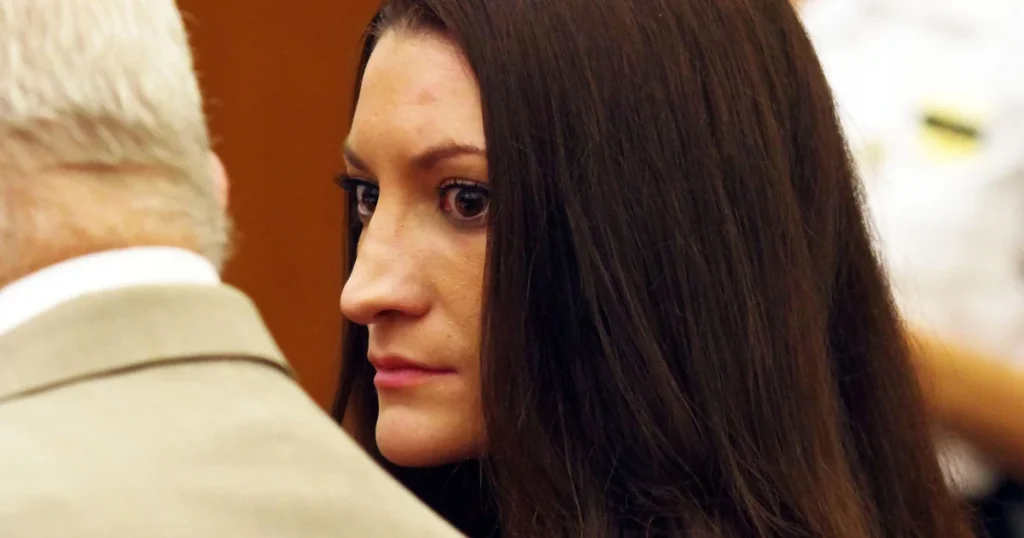
Lindsay Clancy Trial: Prosecution Rebuttal Day
Bizeconanalysis.com – Watch Live: Lindsay Clancy trial testimony entered its closing phase on Monday as Plymouth Superior Court heard the first rebuttal witness called by the prosecution. The case — centered on the deaths of three young children in a Duxbury, Massachusetts home — has captivated audiences for weeks, and with the defense already rested, the jury now sits within days of deliberation.
Rebuttal Testimony and the Road to Verdict
Dr. Avram Mack, a forensic psychiatrist, took the stand Monday after having testified the prior Friday. Under the procedural rules governing insanity-defense cases, the state may call rebuttal witnesses once the defense rests, and Mack was the first such witness deployed. His testimony focused on a clinical interview he conducted with Lindsay Clancy at Tewksbury Hospital in April, during which she recounted the moments surrounding the killings of her three children.
“Go to God,” she recalled telling her children as she killed them in the family home in Duxbury.
Defense attorney Kevin Reddington pressed Mack on the reliability and context of those recollections during cross-examination. The questioning was interrupted by the weekend adjournment, and Monday’s session resumed where Friday left off. Reddington told reporters that two additional rebuttal witnesses are expected before the prosecution completes its case, meaning closing arguments could arrive as early as this week.
The Defense Theory and the Yates Echo
The defense rested its case Friday after presenting Dr. Phillip Resnick, a forensic psychiatrist best known for his role in the landmark 2001 Andrea Yates trial in Texas, where a mother was acquitted of murdering her infant son under an insanity defense. Resnick testified that Clancy described an “external force” seizing control of her body in the moments before the murders. The defense built its case around the claim that Clancy was overmedicated and suffering from postpartum psychosis — a severe condition involving hallucinations, delusions, and a loss of contact with reality that typically emerges within weeks of childbirth. Under that framework, she could not be held criminally responsible for actions taken while in that state.
The prosecution’s theory stands in sharp contrast. State prosecutors have maintained that Clancy planned the killings of 5-year-old Cora, 3-year-old Dawson, and 8-month-old Callan, and have suggested her subsequent suicide attempt was a calculated move to shape the narrative around the deaths. If the jury accepts that account, the insanity defense collapses entirely.
Clancy has pleaded not guilty to three counts of first-degree murder. A conviction carries a mandatory sentence of life in prison without parole. Alternatively, if the jury finds her not criminally responsible by reason of insanity, Massachusetts law requires commitment to a state psychiatric hospital with periodic review of her condition.
Understanding Postpartum Psychosis in Court
Postpartum psychosis affects roughly one to two women per thousand births and is treated as a psychiatric emergency. Symptoms include vivid hallucinations, grandiose or persecutory delusions, and a profound disconnection from reality. Unlike ordinary postpartum depression, which is common and often manageable, psychosis of this kind can drive a mother to act in ways that seem inexplicable to observers but feel compelled to the person experiencing them. The distinction matters enormously in a courtroom because it determines whether the defendant understood what she was doing and could choose otherwise.
Frequently Asked Questions
Where is the Lindsay Clancy trial being held? The trial is taking place in Plymouth Superior Court in Massachusetts. Coverage of the proceedings has drawn sustained public attention to questions of maternal mental illness and criminal accountability.
What happens after the prosecution’s rebuttal witnesses finish? Once the state completes its case, both sides will deliver closing arguments to the jury. The jury then deliberates and returns a verdict on three counts of first-degree murder, or a finding of not criminally responsible by reason of insanity.
Why is Dr. Phillip Resnick’s involvement notable? Resnick was a key expert in the 2001 Andrea Yates trial in Texas, where a mother was acquitted of killing her infant son under an insanity defense. His testimony in that case helped shape how American courts evaluate claims of psychotic episodes at the time of a killing, giving his appearance in the Clancy trial a historical resonance.
What sentence faces Lindsay Clancy if convicted? A first-degree murder conviction in Massachusetts carries a mandatory life sentence without the possibility of parole. If instead the jury finds her not criminally responsible, she would be committed to a state psychiatric hospital for treatment with periodic review.