
Norah O’Donnell: What I learned from my doctor about menopause, and why I take testosterone
Understanding Menopause Through a Doctor’s Lens: Hormone Therapy and Hidden Benefits
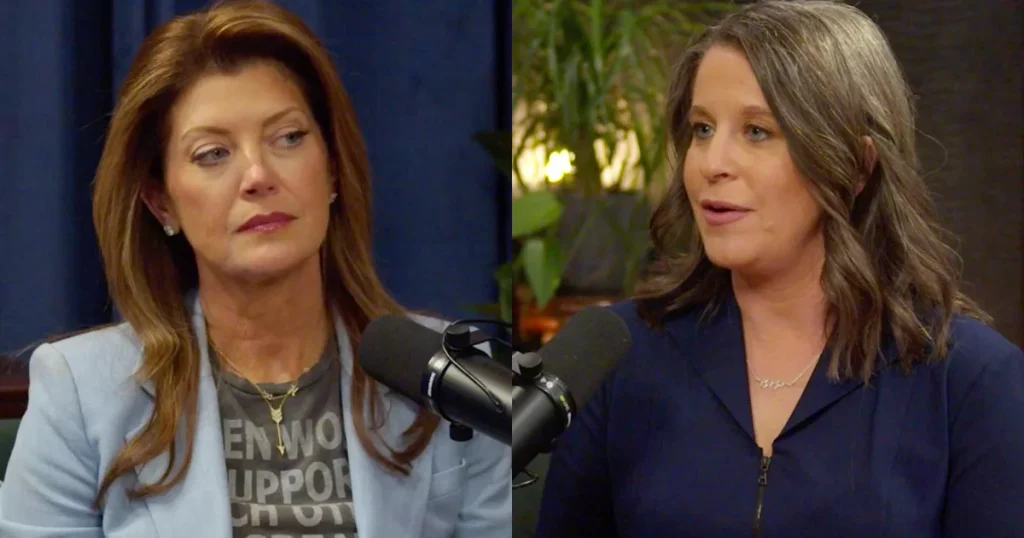
Bizeconanalysis.com – Menopause represents one of the most significant physiological transitions in a woman’s life, yet many endure unnecessary discomfort during this period. In a recent discussion on the “Healthful” program, journalist Norah O’Donnell explored this critical health topic alongside her personal physician, Dr. Rachel Rubin. Their conversation revealed surprising insights about hormonal changes, treatment options, and why millions of women could benefit from interventions that remain underutilized.
Redefining Menopause as a Hormonal Shift
The traditional understanding of menopause often focuses on the cessation of menstruation, but Dr. Rubin offers a more comprehensive perspective. She characterizes this transition as a fundamental hormonal event that affects the entire body.
Menopause is a castration event, whether we like it or not, whether it’s natural or not. Whether it’s supposed to happen or not, we are outliving our ovaries.
This comparison to castration highlights the dramatic reduction in hormone production that occurs. During reproductive years, ovaries continuously produce estrogen, progesterone, and testosterone. When ovarian function diminishes, the body loses access to these essential hormones that have receptors distributed throughout every organ system.
The consequences extend far beyond hot flashes and sleep disturbances. Women commonly report mood fluctuations, weight changes, and cognitive difficulties during this transition. Dr. Rubin notes that while men experience testosterone decline with age, they rarely reach the same depleted levels that women experience. She illustrates this difference using a practical analogy about fuel reserves.
Women, their gas tank is zero. Men, they kind of live at like half a tank, and maybe if they get to a quarter of the tank, they can go to their doctor, they get some testosterone, and they go back to half to three-quarters tank and they feel great.
Vaginal Hormones: An Underused Solution
Urinary tract infections represent a serious concern for menopausal women, potentially leading to hospitalization, sepsis, or even mortality when left untreated. Dr. Rubin advocates for vaginal hormone therapy as a preventive measure that addresses the root cause of these infections.
The approach works by restoring the urinary tract’s natural microbiome, creating an environment less susceptible to bacterial overgrowth. Despite strong endorsement from the American Urological Association and widespread insurance coverage, fewer than ten percent of postmenopausal women currently utilize vaginal estrogen treatments.
The financial implications of this gap are substantial. Dr. Rubin estimates that broader adoption of vaginal estrogen could generate annual savings of six to twenty-two billion dollars for Medicare. These savings would come from reduced urgent care visits, fewer hospital admissions, and decreased intensive care unit utilization.
Testosterone: More Than Libido
Contrary to common belief, women produce greater quantities of testosterone than estrogen within their ovaries. This hormonal balance plays a crucial role in overall wellbeing, yet testosterone therapy for women remains relatively uncommon despite global medical consensus regarding its benefits.
While no testosterone product carries FDA approval specifically for female use, physicians can prescribe it off-label. Dr. Rubin observes that her patients report improvements extending well beyond sexual function. Many describe experiencing a renewed sense of identity and vitality.
For O’Donnell, this treatment has been personally transformative. She revealed that she regularly administers testosterone using a formulation typically designated for men, though she utilizes considerably smaller dosages. Rather than producing an immediate revelation, the benefits accumulated gradually, working synergistically with other hormonal treatments.
I’ve never talked about this publicly before, but I use testosterone prescribed by Rubin — it comes in a tube that’s normally prescribed to men, but I administer it in much smaller doses. There wasn’t an “aha” moment for me, but I noticed its effects over time, and in concert with other hormones.
The conversation, now available for streaming on YouTube and accessible through major podcast platforms, offers valuable guidance for women navigating this essential life transition. With proper medical support and appropriate hormone therapy, menopause need not represent a period of decline, but rather an opportunity for renewed health and wellbeing.
Related Reading
Frequently Asked Questions
What is Norah O Donnell?
Norah O Donnell is the main topic of this guide. The article explains the context, practical details, and next steps readers should understand.
Why does Norah O Donnell matter?
Norah O Donnell matters because readers are looking for a useful answer, not just a short summary. Good content should match search intent and help them decide what to do next.