
U.S. doctor with Ebola released from German hospital after recovering from deadly virus
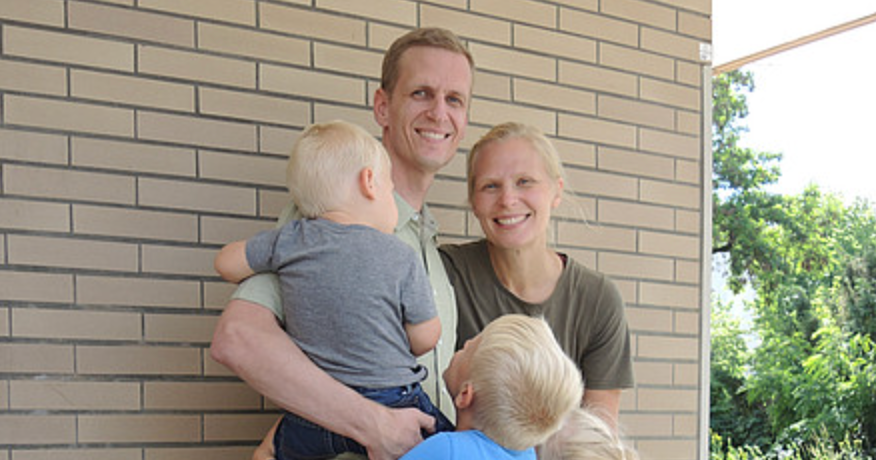
U.S. Doctor with Ebola Released from German Hospital After Full Recovery
U S doctor with Ebola released – Dr. Peter Stafford, a U.S. physician who contracted the Ebola virus while serving on a humanitarian assignment in the Democratic Republic of Congo, has been discharged from a Berlin hospital following a successful recovery. The 46-year-old medical professional, who worked with the missionary group Serge, was evacuated to Germany on May 20 and treated at Charité, one of Europe’s leading healthcare institutions. His release marks a significant milestone in the ongoing fight against the deadly disease, as his condition improved steadily throughout his treatment.
Medical Treatment and Recovery
According to a statement from Charité, Stafford received “antiviral therapy and additional supportive medical measures during the first week” of his care. The hospital noted that his viral load, which was initially high, began to decline significantly with the administration of antiviral medication and supportive care. By May 30, no traces of the virus were detected in his daily follow-up tests, prompting the public health authority to lift his isolation order at noon on Saturday.
“We are very pleased with the successful course of treatment and consider this a significant therapeutic success,” said Leif Erik Sander, director of the Department of Infectious Diseases and Critical Care Medicine at Charité. “On behalf of the entire team, we thank all participating specialties and departments that made the successful treatment in the specialized isolation unit possible.”
Stafford’s wife, Rebekah, and their four children were also evacuated and placed in quarantine during his treatment. Despite being exposed to the virus, they remained asymptomatic throughout the isolation period. The family was reunited on Saturday after Stafford’s recovery, bringing relief to those close to him.
Outbreak Context and Implications
The Bundibugyo ebolavirus outbreak in Congo, which has spread to Uganda, continues to raise alarms among health officials. While the strain is less common than the Zaire variant, it remains highly virulent, with no specific vaccines or treatments available. As of Thursday, Congo reported 452 confirmed cases and 82 confirmed deaths, while Uganda recorded 19 cases and two deaths by Friday. These figures suggest the outbreak may be larger than initially documented, prompting further investigation.
Stafford’s infection occurred during a surgical procedure at Nyankunde Hospital in Bunia, a city in eastern Congo, as confirmed by Serge. The group stated that he had been working at the hospital since 2023, contributing to local healthcare efforts. His exposure highlights the risks faced by medical personnel in high-risk areas, where the virus spreads rapidly through direct contact.
Stafford’s Gratitude and Global Concern
In a statement released by Charité, Stafford expressed deep appreciation for the care he received during his treatment. “I received first-class care, including experimental therapies currently being trialed for this type of virus,” he said. “Words cannot adequately express my gratitude. Thank you to everyone who made this possible. Our thoughts remain with the people in the Congo who do not have access to such care.”
The recovery of Stafford, a U.S. citizen, underscores the effectiveness of advanced medical interventions in combating Ebola. However, it also emphasizes the challenges of managing outbreaks in regions with limited resources. The virus, which can be fatal within days, requires rigorous containment protocols, including strict quarantine measures and isolation of infected individuals.
Additional Cases and Quarantine Measures
Stafford’s case is not the only one linked to the outbreak. A third doctor from the same missionary group, Dr. Patrick LaRochelle, was potentially exposed while working at a Congo hospital. Although he showed no symptoms, LaRochelle was placed in quarantine at Bulovka Hospital in Prague. This development highlights the ongoing efforts to monitor and isolate individuals at risk, even when they are in different countries.
Health officials in both Congo and Uganda have stressed the need for heightened vigilance as the outbreak progresses. The Bundibugyo strain, which is known for its ability to cause severe illness, has already led to over 400 confirmed infections in Congo. While the number of deaths is lower compared to the Zaire strain, the virus’s rapid transmission and lack of proven treatments pose a significant threat to public health.
Hope for the Future
Stafford’s recovery has offered a glimmer of hope to medical workers and communities affected by the outbreak. His treatment involved cutting-edge antiviral therapies and comprehensive support, which may provide insights into effective management strategies for future cases. The success of his care also reflects the importance of international collaboration in combating global health crises.
Charité’s statement emphasized the role of multidisciplinary teams in Stafford’s recovery, highlighting the complexity of treating Ebola. “The initially high viral load decreased substantially under antiviral treatment and supportive care,” the hospital noted. “Since May 30, no virus has been detected in the daily follow-up tests.” This progress not only benefits Stafford but also reinforces confidence in medical protocols that can be applied in other regions.
Broader Impacts of the Outbreak
The ongoing outbreak has disrupted healthcare systems in both Congo and Uganda, forcing hospitals to prioritize emergency care and implement strict infection control measures. Patients are being isolated in specialized units, and healthcare providers are following stringent safety guidelines to prevent the spread of the virus. The situation has also sparked discussions about the need for increased funding and resources for outbreak response in affected areas.
For Stafford, the experience has been both a personal and professional challenge. As a volunteer with Serge, he had dedicated years to improving healthcare access in Congo, yet the virus threatened his life. His recovery not only alleviates personal concerns but also serves as a testament to the resilience of medical teams working in high-risk environments.
Health ministries in both countries have called for continued monitoring of the outbreak, urging the public to remain cautious. While the number of confirmed cases is rising, the early detection and isolation of infected individuals have helped curb the spread. The efforts of organizations like Serge, along with international support, have been crucial in managing the crisis.
Stafford’s case has also drawn attention to the role of volunteer medical staff in regions with limited healthcare infrastructure. His journey from infection to recovery demonstrates the importance of timely evacuation and advanced treatment options. As the world watches the evolution of the Bundibugyo strain, the success of his care offers a promising example of how medical innovation can save lives, even in the face of a deadly virus.
Despite the progress, challenges remain. The virus’s ability to spread silently and its lack of vaccines mean that vigilance is essential. For now, Stafford’s discharge from the hospital symbolizes a step forward in the battle against Ebola, providing both relief and inspiration for those still fighting the disease.