
Second Ebola treatment center set on fire in epicenter of disease’s outbreak
Second Ebola Treatment Center Set on Fire in Epicenter of Disease’s Outbreak
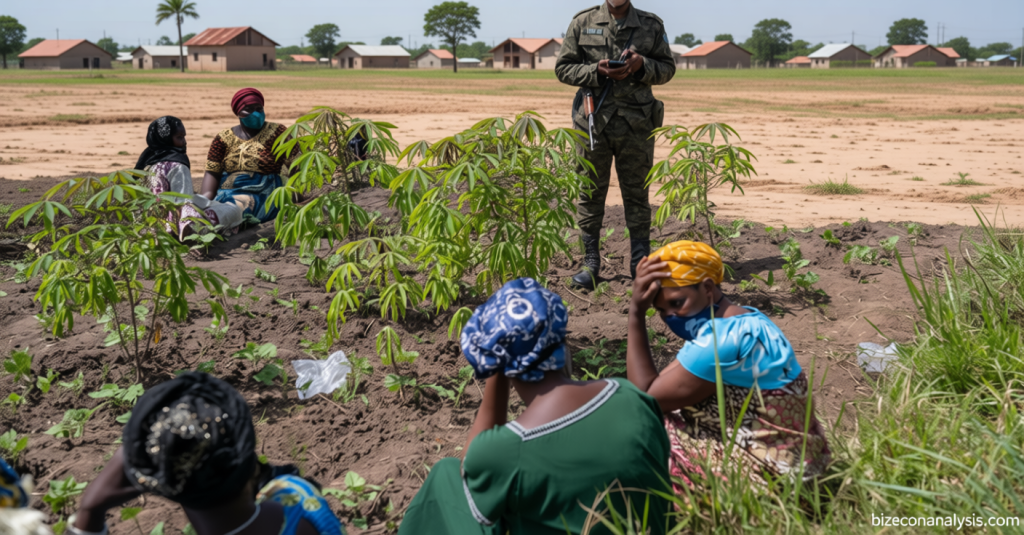
Second Ebola treatment center set on fire – Residents of a village at the heart of the Ebola epidemic in eastern Congo launched an assault on a makeshift health facility, setting fire to a tent used to care for individuals with suspected or confirmed Ebola infections, according to staff members Saturday. This incident marks the second such attack in the region within a single week, escalating concerns over community tensions in the area.
Initial reports suggested no injuries were sustained during the event, though the fire caused significant disruption. A hospital director noted that as patients fled the flames, 18 individuals with possible Ebola infections left the facility and are now missing from the site, raising fears of further transmission.
The outbreak has been a source of anxiety for local populations, with recent confrontations highlighting growing frustration. Dr. Richard Lokudi, the head of the Mongbwalu hospital, told The Associated Press that the residents had arrived at the clinic on Friday night and ignited the tent, which was part of a Doctors Without Borders operation. “This act triggered widespread panic among the staff and allowed 18 suspected cases to escape into the community,” he stated.
“We strongly condemn this act, as it caused panic among the staff and also resulted in the escape of 18 suspected cases into the community,” said Dr. Richard Lokudi, director of the Mongbwalu hospital.
In a separate incident, a treatment center in the town of Rwampara was destroyed on Thursday after family members of a deceased man were barred from retrieving his body. The man was believed to have succumbed to Ebola, prompting the community to protest the restriction.
Burials of Ebola-Victims Stir Anger, Frustration
The practice of burying Ebola victims has become a focal point of conflict, as the virus spreads rapidly through contact during funerals. Health workers face challenges in managing the burials, which are often met with resistance from families. In Rwampara, a communal burial was held on Saturday under heightened security, reflecting the strained relationship between medical personnel and the local community.
David Basima, a Red Cross team leader overseeing the burials, described the difficulties faced by his group. “We encountered substantial resistance from young people and the community upon arrival,” he explained. To ensure safety, authorities were called in to assist with the process, as the burial required strict measures to prevent the virus from spreading further.
Armed soldiers and police were stationed at the burial site, monitoring the activity as workers in protective gear placed sealed coffins into the ground. Families watched from a distance, their emotions evident as they mourned their loved ones. Basima emphasized that the burial was conducted under tight security to mitigate risks, yet the event underscored the deepening divide between health workers and residents.
Outbreak a High Risk to Congo, WHO Says
The World Health Organization (WHO) has raised the risk level for the current Ebola outbreak in Congo to “very high,” surpassing its earlier assessment of “high.” Despite this, the agency maintains that the likelihood of the disease spreading globally remains low.
WHO Director-General Tedros Adhanom Ghebreyesus reported Sunday that 101 confirmed cases have been identified in the country. The Bundibugyo strain, a less common type of Ebola, has been responsible for the outbreak. It spread unnoticed for weeks in Ituri province following the first known death, while authorities focused on testing for a more prevalent variant. Initial tests were negative, leading to delays in containment efforts.
The current situation now includes over 900 suspected cases and 204 potential fatalities, with more expected as surveillance improves. Dr. Jean Kaseya, director-general of the Africa Centers for Disease Control and Prevention, stressed the importance of community trust in combating the outbreak. “A successful response must involve building confidence with local populations,” she said.
US Bars Green-Card Holders from Ebola-Stricken Countries
In response to the ongoing crisis, U.S. federal health officials announced on Friday night a new policy restricting green-card holders who have traveled to Ebola-affected regions from entering the country. The measure targets individuals with permanent residency in the United States but who are not yet citizens.
The Federal Register notice highlighted the rule’s focus on green card holders who have recently visited Congo, Uganda, or South Sudan. While the reasons for including South Sudan in the list were not immediately clear, the country has not confirmed any Ebola cases, according to current data. The policy aims to reduce the risk of imported infections, though it has sparked debates about its effectiveness and fairness.
The outbreak has already claimed the lives of three Red Cross volunteers in Mongbwalu, the agency revealed Saturday. These workers are believed to have contracted the virus while handling deceased bodies during a humanitarian mission unrelated to Ebola. If confirmed, this would shift the timeline of the outbreak, as the first reported death occurred in late April in Bunia, the capital of Ituri province.
Meanwhile, the American doctor who tested positive for Ebola is part of a missionary group operating in the region. Several other medical professionals are suspected of exposure, underscoring the global reach of the crisis. As the situation continues to evolve, health officials emphasize the need for swift action and community cooperation to control the spread of the virus.
The recent incidents in Mongbwalu and Rwampara highlight the complex challenges of managing an outbreak in densely populated areas. With tensions rising and the risk of community transmission increasing, authorities are working to balance public health measures with cultural practices. This delicate situation requires sustained efforts to educate, reassure, and collaborate with local populations to contain the virus effectively.