
Putin, in rare admission, admits Ukrainian strikes on infrastructure “create problems” for Russia
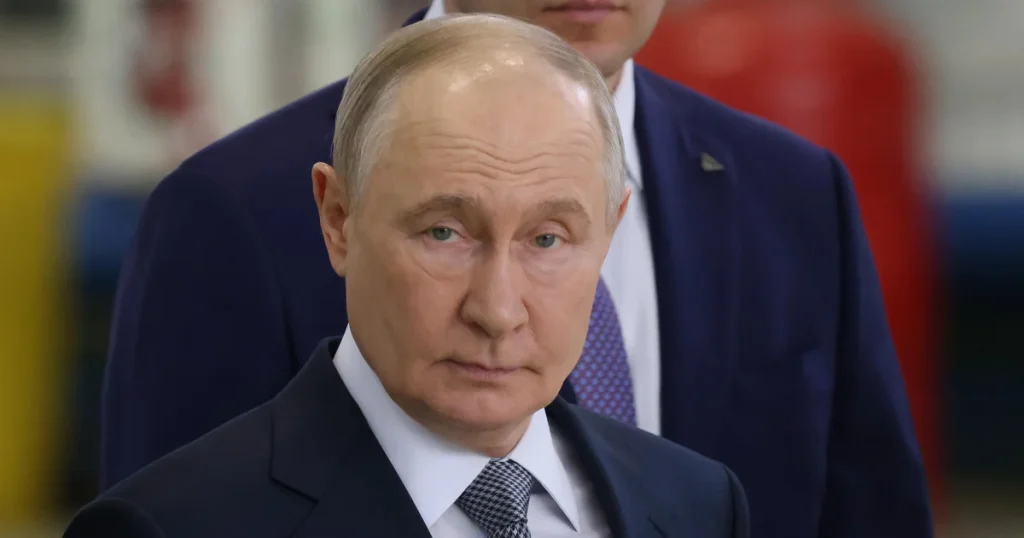
Putin Confesses Ukrainian Strikes on Infrastructure Pose Challenges for Russia
Putin in rare admission admits Ukrainian – On Sunday, Russian President Vladimir Putin made an uncommon acknowledgment, stating that Ukrainian attacks on critical infrastructure are causing “challenges” for Moscow. In an interview with Russian journalist Pavel Zarubin, Putin admitted that the ongoing assaults on energy and logistics systems are creating difficulties, though he downplayed the severity of the issue, calling it “not critical.” This rare admission highlights the growing strain on Russia’s strategic capabilities as the war in Ukraine enters its third year.
The conflict has seen a surge in Ukrainian military operations targeting Russia’s infrastructure, particularly in energy and logistics sectors. Recent weeks have witnessed intensified strikes, with Ukraine launching one of its most significant drone assaults on Russian territory since the war began. The attack, which spanned 12 regions and even reached the Crimean Peninsula—occupied by Russia since 2014—marks a shift in Ukraine’s strategy, aiming to weaken Moscow’s operational capacity by disrupting supply chains and energy grids.
Crimea, a focal point of the strikes, has now declared a state of emergency following the halt of fuel sales to civilians. Russian authorities in the region cited the need for emergency measures after Ukrainian attacks earlier in the week caused disruptions. Ukraine’s Defense Minister, Mikhailo Fedorov, has publicly stated his goal of transforming Crimea into “an island” by severing its connection to the mainland. This strategy seeks to isolate the peninsula, potentially diminishing its ability to support Russia’s broader war efforts.
Shoring Up Defenses Amid Rising Threats
As Ukrainian attacks escalate, Putin emphasized the urgent need to address two key issues: fuel shortages and the depletion of air defense systems. In the interview, he acknowledged that these strikes are not only targeting infrastructure but also undermining Russia’s ability to sustain its military operations. Analysts have noted that Ukraine’s focus on dismantling air defenses is intensifying the impact of its attacks, particularly as Moscow grapples with a shortage of S-300 missile interceptors—a critical component of its air defense network.
CBS News reported earlier that Russia is facing a significant shortage of S-300 systems, which are essential for intercepting cruise and ballistic missiles. Ukraine’s Defense Ministry claims to have destroyed 1,454 air defense systems since the start of the invasion in 2022, including seven systems specifically from Friday to Monday. This data, verified by the Ministry of Defense and analyzed by CBS, underscores the scale of Ukraine’s efforts to weaken Russia’s defensive capabilities. The loss of these systems has forced Moscow to rely on alternative measures, complicating its ability to protect key assets.
Putin’s comments on Sunday reflected his administration’s immediate priorities. He stressed the importance of rapidly increasing production for the most needed air defense systems, a challenge exacerbated by supply chain disruptions and resource constraints. Meanwhile, the fuel shortage has added to the logistical strain, with experts warning that prolonged attacks could further destabilize Russia’s energy sector and hinder its military operations. These dual pressures are forcing Moscow to recalibrate its strategy in the face of persistent Ukrainian aggression.
Public Sentiment Shifts as War Continues
Amid these challenges, public opinion in Russia appears to be shifting. A nationwide survey released by the Institute for Conflict Studies and Analysis of Russia—a Ukrainian think tank—revealed that 81% of Russians support ending the war immediately. This is the highest level of support recorded since the conflict began in 2022. The survey, which polled 1,600 respondents by telephone, suggests growing fatigue among the Russian population, despite the country’s military successes.
However, Putin has shown no signs of backing down. In his interview, he dismissed a Ukrainian proposal for a mutual ceasefire on long-range strikes, arguing that Russia’s counterattacks into Ukrainian territory are more powerful and devastating. “It is clear why this proposal is being made,” Putin said, “because our counter-strikes deep into Ukrainian territory are much stronger, have greater impact, and are, frankly, more destructive.” He added that Ukrainian forces, facing severe personnel shortages, may see the ceasefire as a way to preserve their dwindling resources, but this does not align with Russia’s long-term objectives.
The tension between public sentiment and political resolve is evident in Putin’s rhetoric. While he recognizes the challenges posed by Ukrainian strikes, his emphasis on maintaining the war effort reflects a commitment to his vision of a lasting victory. This divide is also highlighted by the contrasting perspectives of analysts and military leaders, who warn that the continued targeting of infrastructure could have long-term consequences for Russia’s ability to sustain its operations. Despite these concerns, Putin remains steadfast, framing the conflict as a necessary battle to secure Russia’s interests and territorial integrity.
As the war enters a new phase, the interplay between infrastructure damage, resource shortages, and public opinion will likely shape Russia’s strategy. The recent state of emergency in Crimea and the loss of air defense systems underscore the vulnerabilities exposed by Ukrainian precision strikes. Yet, Putin’s confidence in his military’s ability to adapt and counter these threats remains unwavering. Whether this resolve will hold as the war drags on, and whether the Russian population will continue to support the conflict, remains a critical question for the future of the war effort.