
Live Updates: Trump says U.S. to hit Iran “very hard,” threatens to take Kharg Island as war reignites
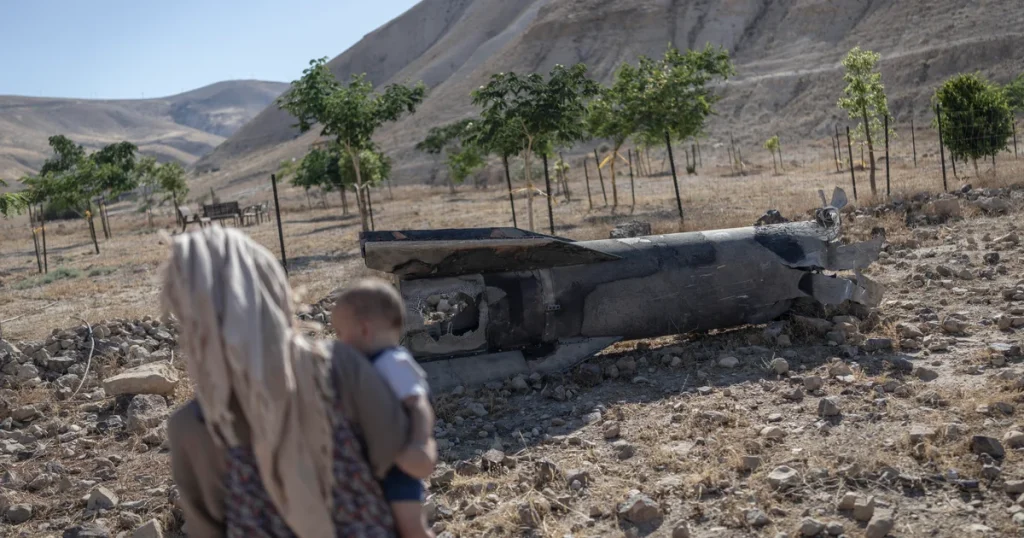
Live Updates: U.S. to Launch Aggressive Strikes Against Iran, Threatens Kharg Island Amid Escalating Conflict
Live Updates: Trump says U.S. to hit Iran “very hard,” threatens to take Kharg Island as war reignites – On Thursday, UN Secretary-General Antonio Guterres urged a comprehensive ceasefire in Lebanon, emphasizing the need for the Lebanese government to establish a monopoly on weapons within the country. This call implicitly supports efforts to disarm the Iranian-backed Hezbollah group, which has been a key player in the ongoing regional conflict. Guterres highlighted the severity of the situation, noting that since March, the war between Israel and Hezbollah has intensified, with both sides accusing each other of breaching a U.S.-brokered ceasefire signed in April.
Regional Tensions and Casualty Reports
The conflict between Israel and Hezbollah has persisted since March 2, 2026, marking a critical phase in the broader Middle East tensions. Lebanon’s health ministry reported that at least 3,711 people have been killed in the country due to Israeli military operations, while over 11,483 others have been injured. Additionally, more than a million citizens have been displaced from their homes, according to Lebanese authorities. These figures underscore the humanitarian toll of the war, which has seen frequent exchanges of fire and airstrikes.
Meanwhile, Hezbollah has been responsible for at least four civilian casualties and 31 Israeli soldiers killed, as per data from the Institute for National Security Studies in Israel. The group’s attacks on Israeli territory and forces in southern Lebanon have intensified, drawing international attention to the escalating violence. Despite the UN’s appeal for calm, the situation remains volatile, with both parties continuing to accuse each other of violating the ceasefire.
Global Economic Fallout
The World Bank released a report on Thursday warning that the Middle East war has pushed global growth forecasts to their lowest level since the start of the COVID-19 pandemic. The organization now projects worldwide economic growth to drop to 2.5% in 2026, down from 2.9% in 2025. This decline is attributed to rising inflation, which has averaged 4% globally, and the broader economic consequences of the conflict.
The U.S.-led war on Iran has significantly contributed to surging energy prices, exacerbating inflationary pressures across the globe. Central banks are now facing challenges in managing these increased costs, which could lead to higher interest rates and further strain economies. In response, the World Bank announced it is making up to $60 billion immediately available to developing nations hardest hit by the crisis. The amount could expand to $100 billion over the next 15 months, as the institution aims to provide critical financial support to regions affected by the conflict.
The report also indicated that growth forecasts for two-thirds of the world’s economies have been revised downward compared to January of this year. Indermit Gill, the World Bank’s chief economist, emphasized the urgency of ending existing conflicts and preventing new ones, stating,
“The first thing is to end the conflict in Ukraine, in the Gulf, and in Central Africa, and not start any new wars. War anywhere is bad for poor people everywhere.”
This perspective highlights the interconnectedness of global crises and their disproportionate impact on vulnerable populations.
Diplomatic Developments and Iran’s Position
Despite the UN’s efforts to mediate, Iran has not engaged in new talks with the United States, according to a source affiliated with the country’s negotiating team, as reported by the semi-official Fars News Agency. The report was critical of ongoing mediation attempts by Qatari and Pakistani officials, who have been working to broker a deal between the U.S. and Iran. However, the World Bank’s analysis suggests that these diplomatic efforts may not be sufficient to counter the economic fallout of the war.
The conflict’s impact extends beyond regional borders, affecting global supply chains and energy markets. As the U.S. threatens to take Kharg Island—a strategic location in the Strait of Hormuz—as part of its military response, the situation risks further destabilization. The island, which serves as a key hub for Iran’s oil exports, has become a focal point in the escalating tensions, raising concerns about potential disruptions to international trade.
Analysts warn that the prolonged conflict could have long-term repercussions, particularly for developing economies already grappling with inflation and debt. The World Bank’s forecast highlights the need for coordinated international action to mitigate the crisis, but with Iran and the U.S. showing little signs of compromise, the outlook remains uncertain. As the war continues, the focus shifts to balancing military objectives with economic stability, a challenge that will require both sides to reconsider their strategies.
Broader Implications for Global Stability
The conflict in Lebanon and the broader Middle East crisis have sparked fears of a wider regional war, with Iran’s support for Hezbollah playing a central role. Guterres’s call for a ceasefire reflects growing international concern about the escalating violence and its potential to spill over into other areas. The Lebanese government has long sought to reduce Hezbollah’s influence, but the group’s military capabilities and political power have made disarmament a complex endeavor.
As the situation unfolds, the World Bank’s economic projections serve as a reminder of the far-reaching consequences of the war. The organization’s warning underscores the importance of addressing the conflict not only for regional peace but also to safeguard global economic growth. With the U.S. poised to take aggressive action against Iran, the stakes have never been higher, and the international community is watching closely for any signs of de-escalation or further escalation.