
Iran War Updates: Strait of Hormuz “back to the worst case scenario” amid escalating attacks, analyst says
Iran War Updates: Strait of Hormuz Escalates Amid Attacks
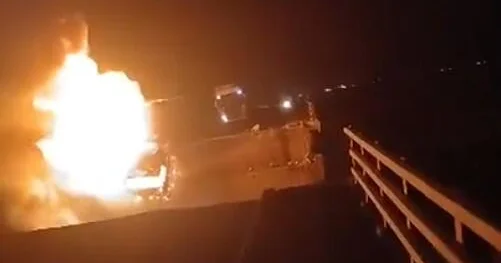
Iran War Updates reveal a rapidly deteriorating situation in the Persian Gulf as military tensions between Iran and the United States reach critical levels. The Strait of Hormuz has become the epicenter of escalating hostilities, with analysts warning that the region has returned to what experts describe as the worst-case scenario. Coordinated strikes and counter-strikes between both nations continue to threaten broader regional stability.
Kuwait and Gulf States Targeted by Iranian Dr
The conflict expanded significantly on Friday when Iranian drones struck multiple facilities across Kuwait. Official statements from Kuwait’s armed forces confirmed that several military personnel were injured during these attacks on military camps and installations throughout the country. The Kuwaiti army released images showing their chief of staff visiting wounded soldiers in hospitals, though exact casualty numbers were not immediately provided in their social media reports.
Kuwait’s foreign affairs ministry responded with a formal condemnation of the Iranian strikes. The diplomatic response extended to include criticism of similar attacks on Bahrain, Qatar, and Jordan, demonstrating that Iranian military actions are now affecting multiple Gulf nations beyond bilateral disputes.
U.S. Strikes Degrade Iranian Surveillance Network
A major military development occurred on Thursday when American forces destroyed an Iranian port surveillance tower at the Chah Bahar Shahid Kalantari Port. Located east of the Strait of Hormuz along Iran’s southern coast, this decades-old structure was a vital component of Iran’s maritime monitoring system. U.S. Central Command confirmed that the tower had been continuously operated by the Islamic Revolutionary Guard Corps to track commercial shipping vessels in the strategically crucial waterway.
The elimination of this facility represents a significant setback for Iranian military coordination. According to CENTCOM, removing the tower would substantially weaken the IRGC’s capacity to plan and carry out attacks against civilian crews in the region. This operation was part of a larger campaign, with the United States conducting six consecutive nights of strikes targeting dozens of Iranian military installations, including coastal surveillance systems, air defense positions, logistics infrastructure, and maritime assets.
Conflicting Reports on Syrian Military Base
Disagreements emerged over events in Syria as Iran’s Revolutionary Guard Corps claimed on Friday that it launched strikes against the Al-Tanf military base in southern Syria. The IRGC stated that the attack destroyed radar equipment and multiple helicopters while causing heavy casualties among American forces. The Iranian military asserted that the base contained a U.S. special operations command center and that their assault sent “large numbers of criminal American forces to their deaths.”
U.S. Central Command promptly rejected these claims as inaccurate. In a statement published on X, CENTCOM clarified that no American troops in the region had been recently killed or captured. This position was reinforced by a Syrian military source who spoke to the AFP news agency on condition of anonymity. The source explicitly denied that Iran had struck a military base in the country’s southeastern region, contradicting the IRGC’s earlier claims of a “surprise attack” on a U.S. special forces facility.
The United States had previously announced its withdrawal from the Al-Tanf base earlier in the year, following an extended deployment as part of an American-led coalition focused on counter-terrorism operations in the Middle East.
Civilian Populations Feel the Impact
The escalating conflict is increasingly affecting civilian populations on both sides of the confrontation. Iran’s energy ministry issued urgent appeals to citizens to reduce electricity consumption following strain on the national power grid. This strain resulted from American strikes targeting energy infrastructure in southern Iran. The ministry specifically requested that citizens switch off air conditioners during peak hours to maintain stable electricity supply in southern provinces, which are simultaneously experiencing extreme temperatures and damage to power facilities.
Kuwait echoed these calls for conservation after reporting an Iranian attack on one of its power and water treatment plants. Meanwhile, Iran’s health ministry began coordinating emergency medical responses as the conflict continues to disrupt essential services across the region.