
Florida man blames wrongful arrest on “error-prone” AI facial recognition
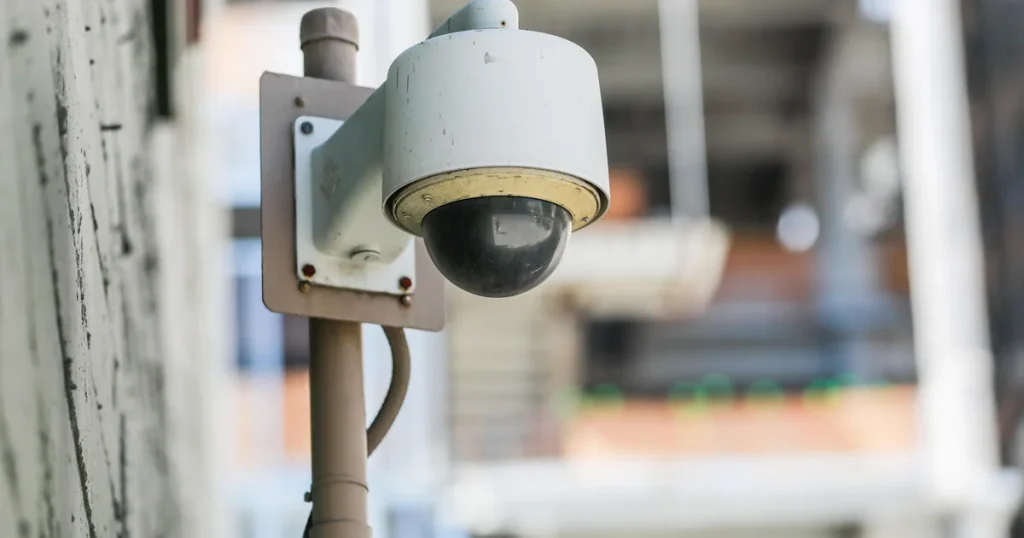
Florida Man Claims AI Facial Recognition Led to Unlawful Arrest
Florida man blames wrongful arrest on error – In November 2023, Richard Dillon, a man from Florida, found himself at the center of a controversial event when he was arrested for allegedly attempting to “lure a child” from a McDonald’s in Jacksonville Beach. At the time, Dillon maintained that he was over 300 miles away, far from the location of the incident. The pivotal evidence used to challenge his alibi was a facial recognition system that matched an image of the suspect to his own photo, leading to his temporary detention. Though he was later exonerated, Dillon has since become a central figure in a new lawsuit filed by the American Civil Liberties Union (ACLU) against the Jacksonville Beach Police Department and other entities, accusing them of misusing AI-driven image-matching technology.
Technology as a Key Player in the Arrest
The lawsuit highlights Dillon’s belief that the arrest was a result of flawed artificial intelligence. According to the complaint, police relied on the Face Analysis Comparison and Examination System (FACESNXT) to link him to the crime. The software, which is increasingly used by law enforcement, claimed a 93% match on facial features between Dillon’s photograph and the suspect’s image. However, Dillon argues that the system’s inaccuracy was evident when he compared his own face to the photos. “The scars are nowhere near alike,” he said, expressing disbelief at the visual discrepancy. His distinctive hairline scars, a result of skin cancer surgery, were not matched by the suspect’s appearance, which he claims “absolutely blew my mind.”
“My life is over. … AI says I did this, how am I going to prove that I didn’t?”
Dillon’s experience underscores the growing reliance on facial recognition technology in criminal investigations. With public databases containing photographs of over 117 million Americans, as reported by the Center on Privacy and Technology at Georgetown Law School, law enforcement agencies have turned to AI as a tool to identify suspects from surveillance footage. Yet, this case raises questions about the system’s reliability, particularly when the quality of the images used in the process is questionable.
The Path to Clearing His Name
Following the initial arrest, Dillon sought clarity from both his local police department and the Jacksonville Beach Police Department. He alleged that the process violated protocol, as officers from Jacksonville Beach had contacted him directly and accused him of a crime he knew he hadn’t committed. “They accused me over and over again of a heinous crime that I knew I didn’t commit,” Dillon recounted in a phone call with CBS News.
Despite assurances from both departments, Dillon felt the weight of the accusation lingered. “It haunted me for months … thinking at any time the police could show up here and arrest me for a crime that I didn’t commit,” he said. His fears were realized when, eight months later, he was arrested at his home by a Lee County sheriff’s deputy. During the encounter, Dillon insisted that he was the wrong suspect, but an officer reportedly remarked, “If what you’re telling me is true, you got one hell of a lawsuit.”
After being held overnight in jail, Dillon was required to post bond, which he did by borrowing money and pledging his truck’s title. Although the charges were eventually dropped, the ordeal left lasting emotional and social consequences. “Now every time I go somewhere and want to interact with a kid, I think to myself, don’t do it,” Dillon said. “There’s cameras. It’s ruined my life as far as being able to interact with children.”
Technical Flaws and System Limitations
The lawsuit points to specific technical issues that contributed to the wrongful identification. Officer David Cohill reportedly took cellphone photos of the suspect from a computer screen displaying the surveillance footage. These images were then processed by the Jacksonville Sheriff’s Office through FACESNXT, which claimed a high match score. However, Dillon alleges that the photos used were “partially shadowed and off-axis,” conditions that the system’s 2015 training presentation warned could lead to poor results.
The presentation included examples to demonstrate how image quality affects the accuracy of facial recognition. It emphasized that “off-axis” framing—where the subject is not centered in the photo—and “non-uniform lighting” can distort the software’s ability to identify individuals. Dillon’s case exemplifies these challenges, as the images may have been suboptimal, yet the system still produced a strong match. This raises concerns about how law enforcement interprets AI output, particularly when the evidence is not conclusive.
Broader Implications of AI in Law Enforcement
Nathan Freed Wessler, deputy director of the ACLU’s Speech, Privacy, and Technology Project, has expressed concerns about the overreliance on facial recognition systems. He warned that police often mistake a “match” made by the software for definitive proof, overlooking potential errors. “Makers of such technology and other police departments have exploited these systems,” Wessler told CBS News, highlighting the need for oversight to prevent misuse.
The Dillon case is part of a larger movement to establish safeguards for AI in policing. As facial recognition becomes more integrated into criminal investigations, cases like this illustrate the risks of relying on technology that can misidentify individuals. The ACLU argues that without proper regulation, these systems may perpetuate biases or wrongful convictions, especially when the evidence is based on incomplete or low-quality images.
While the Jacksonville Beach Police Department and the Jacksonville Sheriff’s Office have declined to comment on the specific allegations, the incident has sparked broader discussions about the role of AI in law enforcement. The use of FACESNXT in this case demonstrates how quickly an image can be used to justify an arrest, even when the system’s limitations are clear. Dillon’s experience serves as a cautionary tale, emphasizing the importance of verifying AI-generated evidence before taking legal action.
For Dillon, the impact of the arrest extends beyond the courtroom. He feels that his reputation has been tarnished, and he is now wary of interacting with children, fearing that his image might be used again to accuse him. “I feel like people are watching me. I feel like people are saying, hey, there’s that guy that was on the news, stay away from him,” he said. This sentiment reflects the broader societal anxiety surrounding AI’s role in monitoring and identifying individuals, even when the technology is not fully reliable.
As the lawsuit progresses, it may set a precedent for how AI is used in policing. The case highlights the need for transparency and accountability, ensuring that the technology is not used to bypass traditional investigative methods. By challenging the Jacksonville Beach Police Department, Dillon is not only seeking justice for himself but also advocating for a system where human judgment and technological accuracy can coexist without conflict.