
Somali Piracy on the Rise as Iran War Forces Ships into High-Risk Detours
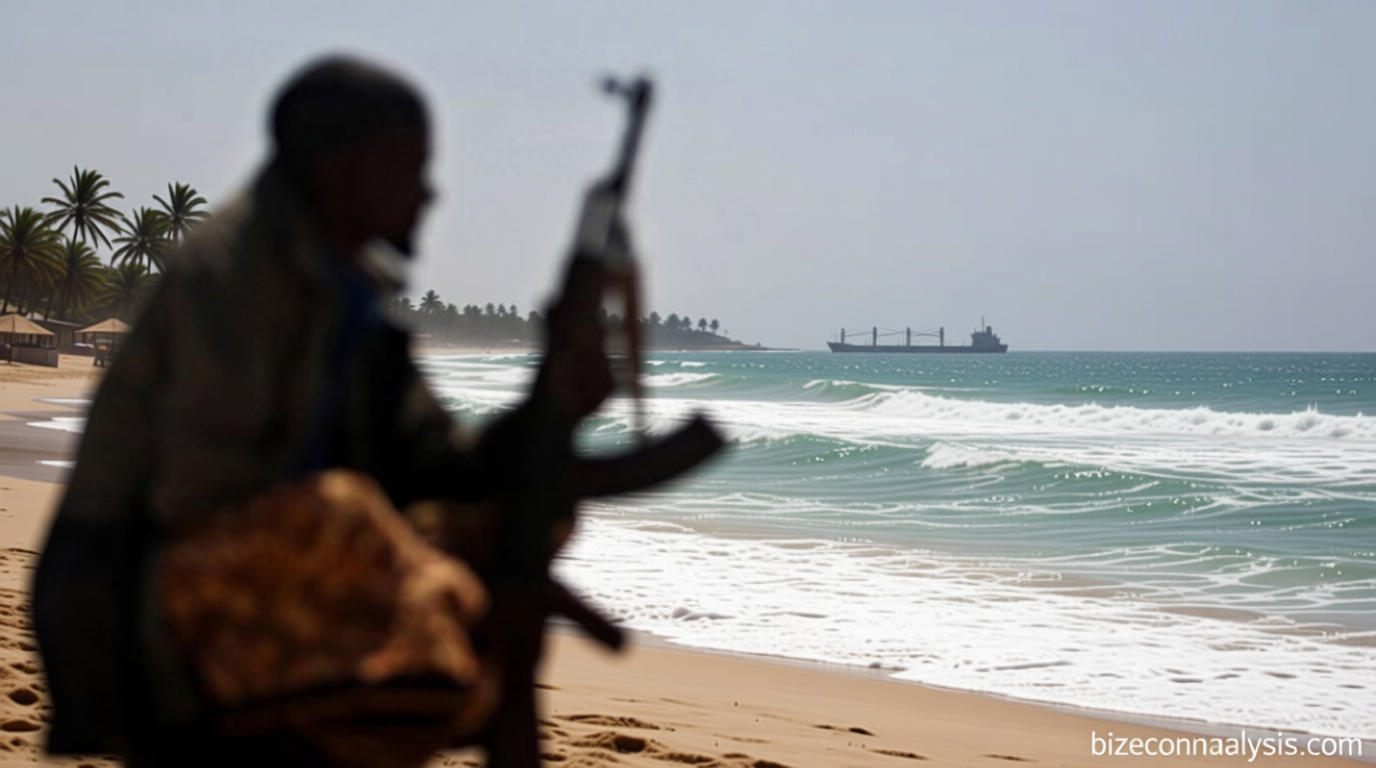
Somali piracy on the rise as Iran – The escalating Middle East conflict has disrupted traffic through the crucial Strait of Hormuz, a key artery for approximately 20% of the world’s oil, natural gas, and essential raw materials. As a result, commercial vessels are now taking longer routes around the southern tip of Africa, inadvertently funneling them into the historically vulnerable waters off Somalia’s coast. This shift has reignited pirate activity, which had previously declined after years of suppression by international naval forces.
Naval Rerouting and Rising Costs
Shipping companies, compelled to bypass the Strait of Hormuz due to heightened risks from the Iran war, are navigating detours that add weeks to their journeys. These extended routes have significantly increased operational expenses, with each vessel facing an estimated $1 million in extra costs stemming from higher fuel prices, insurance premiums, and logistical challenges. Despite these financial burdens, the rerouting has created an opportunity for Somali pirates to reassert their dominance in the region.
Recent Hijackings Signal a Major Resurgence
According to a report issued by the United Kingdom Maritime Trade Operations (UKMTO) on May 12, Somali pirates are currently holding at least three ships, including two oil tankers and a general cargo vessel. The agency noted that these captures occurred between April 21 and May 2, with one ship intercepted near the Yemen coast and redirected toward Somalia. This maritime border between the two nations has enabled pirates to exploit gaps in security, particularly as geopolitical tensions divert attention from their operations.
The resurgence has drawn concern from maritime security experts, who warn that the pattern of recent attacks mirrors the crisis that peaked in 2011. During that year, Somali piracy reached a record high of 237 incidents, costing the global economy an estimated $7 billion. At the time, over 3,800 sailors were targeted, with assaults involving weapons such as assault rifles and rocket-propelled grenades. The UKMTO’s current advisory suggests a return to similar conditions, as pirate networks capitalize on the increased volume of ships passing through their territory.
Historical Context and Persistent Challenges
Somalia’s piracy problem has its roots in the country’s political instability since the early 1990s, when a central government ceased to function. This void allowed criminal organizations to flourish, particularly in coastal regions where access to the sea facilitated attacks on passing vessels. The crisis reached its peak in 2011, but by 2025, the International Maritime Bureau reported a dramatic decline, attributing it to the effective deterrent of sustained naval patrols.
However, the recent uptick in piracy incidents challenges this progress. The European Union’s naval force, Operation Atalanta, acknowledged the trend in a mid-May update, noting that it had recently freed an Iranian-flagged vessel after pirates were forced to abandon it. Despite this success, the operation emphasized the need for continued vigilance, as pirate activity grows more frequent and sophisticated.
Geopolitical Factors and Domestic Weakness
Somali lawmaker Mohamed Dini pointed to both external and internal factors driving the current resurgence. “Recent piracy incidents stem from opportunism, with shifting international maritime shipping routes driven by geopolitical crises,” he explained to CNN. Dini highlighted that the Middle East conflict has given pirates a justification to remobilize, while also fostering alliances with Yemen’s Houthi rebels. These groups have targeted ships in the Red Sea as part of their broader support for Hamas in the Israel-Gaza war, further complicating the security landscape.
Domestically, Somalia’s ongoing instability continues to weaken its ability to monitor and control its coastal waters. Dini stressed that the lack of strong institutions and the poverty-stricken conditions of many coastal communities make it easier for pirate networks to operate. The EU Naval Force echoed this sentiment, stating that the war in Iran has created a security vacuum, allowing pirates to reestablish their presence with greater ease.
Global Implications and Future Outlook
Manu Lekunze, an international relations lecturer at the University of Aberdeen, explained that the Iran war has restructured security priorities, pulling naval fleets away from the Somali coast. “The war has compelled certain states that otherwise would have focused on piracy to redirect their resources to the Strait of Hormuz,” he said. This shift has left pirate groups with more freedom to conduct attacks, often with the support of land-based elements that provide logistical and tactical assistance.
The current wave of hijackings suggests a return to the volatile dynamics of the late 2000s, when Somali waters became synonymous with maritime crime. Experts warn that without renewed international efforts, the region could once again become a hotspot for large-scale attacks. The UKMTO’s warning that the “piracy threat level remains severe” underscores the urgency of addressing these challenges. With ships now navigating unfamiliar routes and pirates gaining strategic advantages, the question is whether the global shipping industry will be able to withstand the renewed threat.
Meanwhile, the origins of modern Somali piracy remain a focus of study. Many of the individuals involved in recent attacks come from impoverished coastal communities, often drawn into the criminal economy by the promise of financial gain. These groups are frequently linked to extremist networks, which provide them with weapons and training. As the war in Iran continues, it is likely that pirate networks will continue to adapt, leveraging new routes and alliances to expand their reach.
The situation highlights the interconnected nature of global security. What began as a regional conflict in the Middle East has had ripple effects across the world’s oceans, creating a new chapter in the history of Somali piracy. With international attention divided, and local governance still fragile, the coastal waters of Somalia may once again become a battleground for maritime dominance. The implications for trade, safety, and economic stability are significant, as the world watches the resurgence of a threat that once seemed to be on the decline.
Expert Analysis and Calls for Action
Analysts caution that the factors fueling the current piracy surge are complex and multifaceted. While the Iran war has created a temporary opportunity for pirates, long-term challenges such as Somalia’s domestic instability and weak governance continue to play a critical role. The EU Naval Force has called for increased coordination among international partners to counter this resurgence, urging ship operators to report suspicious activity and maintain heightened caution.
As the global economy grapples with the consequences of this maritime shift, the role of piracy in destabilizing trade routes has once again come to the forefront. The detours around Africa’s southern tip, though necessary for safety, have inadvertently placed ships in a high-risk zone. With the UKMTO and other agencies issuing urgent warnings, the outlook for the Somali coast remains uncertain, and the world’s shipping lanes may soon face a renewed wave of threats from the region.





