
U.S. investigating if Iran was behind cyberattack on water systems in 7 states, including Minnesota
Federal Probe Examines Iranian Connection to Water System Cyber Incidents
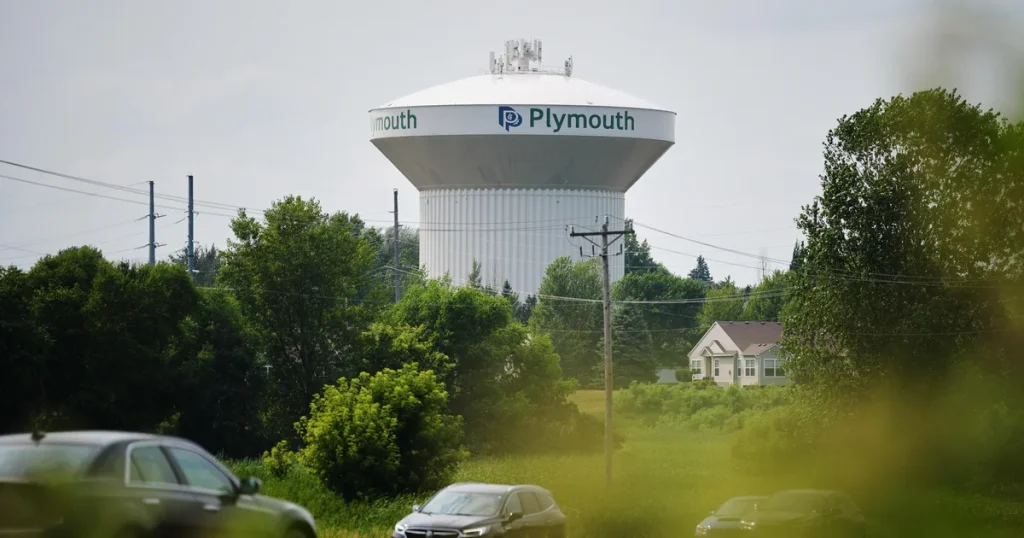
Bizeconanalysis.com – Authorities across the United States are actively investigating malicious cyber activity that disrupted water infrastructure in multiple states during the current week. Minnesota stands among the affected regions, where more than thirty community water systems experienced technical complications. These disruptions compelled certain utilities to transition to manual operational procedures while state and federal investigators work to identify the responsible party.
According to U.S. officials and sources with knowledge of the situation, investigators are examining whether Iranian hackers orchestrated the coordinated activity. However, these sources emphasized that the assessment remains preliminary and could shift as technical evidence accumulates. Another possibility under consideration involves whether the perpetrator deliberately attempted to create the impression of Iranian involvement to complicate matters during the ongoing tensions between Washington and Tehran.
Political Fallout and Presidential Response
While the technical investigation proceeds, President Trump publicly dismissed the possibility of Iranian involvement. During a televised Cabinet session held at Camp David on Friday, the president directed criticism toward Minnesota and its Democratic governor, Tim Walz.
“I think that Minnesota is behind it,” Mr. Trump stated. “You know who’s behind it? Minnesota. Because they’re grossly incompetent. I think the governor’s behind it. I don’t think there was an Iranian cyberattack. I think that Minnesota ought to get its act together.”
The president further remarked that Iran should consider itself fortunate, noting that Tehran faces more substantial challenges than monitoring events in Minnesota.
The FBI confirmed receiving reports of incidents spanning at least seven states, though it declined to name the specific locations. Minnesota authorities and federal agencies have not yet issued a public attribution pointing to any particular actor.
Technical Details and Infrastructure Impact
Most confirmed cases within Minnesota involved programmable logic controllers—devices essential for remotely monitoring and controlling water system equipment. Minnesota IT Services provided this technical assessment. Mike Ernster, a public information officer for the Minnesota Department of Public Safety, confirmed to CBS News that none of Minnesota’s water supply had been compromised by the cyber incidents.
The Bureau of Criminal Apprehension’s Minnesota Fusion Center collaborated with municipalities alongside state and federal partners to address the situation. Nick Anderson, acting director of the Cybersecurity and Infrastructure Security Agency (CISA), confirmed that his organization “is currently observing a significant increase in cyber threat actors targeting programmable logic controllers (PLC) at water utilities.” He urged critical infrastructure owners and operators to remove publicly exposed PLCs and other operational technology from the internet as soon as possible.
“They like to say, ‘Oh, it was Iran.’ Iran should be so lucky. Iran’s got bigger problems than worrying about Minnesota,” the president said.
Historical Context and Warning Signs
Iran-linked hackers have previously targeted American water utilities. Federal agencies confirmed that actors affiliated with Iran’s Islamic Revolutionary Guard Corps employed a similar methodology in 2023, accessing multiple water and wastewater facilities by exploiting internet-connected controllers that retained their default passwords.
On Thursday, the FBI, Environmental Protection Agency, and CISA collectively warned that attackers are actively targeting internet-exposed industrial controllers used by water and wastewater utilities. In certain instances, federal authorities documented loss of monitoring and control functionality at critical infrastructure sites, which resulted in pressure loss and flooding events.
Minnesota investigators identified some similarities in the timing of the recent incidents, in addition to the types of technology impacted, but had not yet confirmed that every incident was carried out by the same actor.
Local Response and Service Continuity
A spokesperson for the city of South St. Paul told CBS News that the municipality identified an issue early Monday and immediately implemented contingency procedures. Public works employees transitioned to manual operations, allowing water and wastewater services to continue without any interruption to service. The city added that the incident was limited to technology supporting portions of its water utility, while drinking water treatment, quality, pressure and distribution remained unaffected.
“Trump knows exactly who is responsible for this attack, and knows that other states were hit too,” Walz said. “This is what modern warfare looks like, and it further illustrates there’s no plan to win a war with Iran.”
Following Mr. Trump’s accusations, Walz said on social media that Mr. Trump’s administration “took an axe” to the federal Cybersecurity and Infrastructure Security Agency and “left the U.S. exposed to cyber attacks.”
Related Reading
Frequently Asked Questions
What is U S investigating if Iran was behind?
U S investigating if Iran was behind is the main topic of this guide. The article explains the context, practical details, and next steps readers should understand.
Why does U S investigating if Iran was behind matter?
U S investigating if Iran was behind matters because readers are looking for a useful answer, not just a short summary. Good content should match search intent and help them decide what to do next.