
Households could get free electricity for doing washing on sunny weekends
Households could get free electricity for doing washing on sunny weekends
Energy companies may offer households and businesses reduced rates or free electricity during times of surplus power, like weekends with abundant sunlight. This initiative, introduced by the National Energy System Operator (NESO), allows consumers to align their appliance use with periods when energy supply exceeds demand. The updated Demand Flexibility Service, approved by the industry regulator Ofgem at the end of March, aims to ensure grid stability over the summer and prevent unused surplus energy.
Previously, energy providers incentivized UK consumers by providing discounted rates to move appliance usage away from high-demand hours. Now, NESO’s revised approach encourages higher consumption when weather conditions create an oversupply. The National Energy System Operator stated that this initiative addresses the growing need to manage energy distribution efficiently, particularly as solar power generation rises and seasonal demand patterns shift.
Summer months typically see decreased electricity demand due to milder weather and extended daylight, coinciding with increased solar energy production. NESO’s research highlights that reduced demand is increasingly influenced by weather patterns. Additionally, the rise of smaller, local energy producers is decreasing dependency on large power stations, further shaping the energy landscape.
This initiative is available to households equipped with smart meters, provided their energy supplier is part of the program. Rewards will differ and are determined by suppliers, potentially offering consumers free or discounted electricity at specific times or points redeemable for gift cards. Participating companies currently include British Gas, Equiwatt, and Octopus Energy, according to NESO.
“The challenge of managing the grid during low-demand periods is growing, and we may need to deploy more tools more frequently than in past summers. This could involve sending directives to power stations to adjust their output for safety during periods of minimal demand,” NESO added.
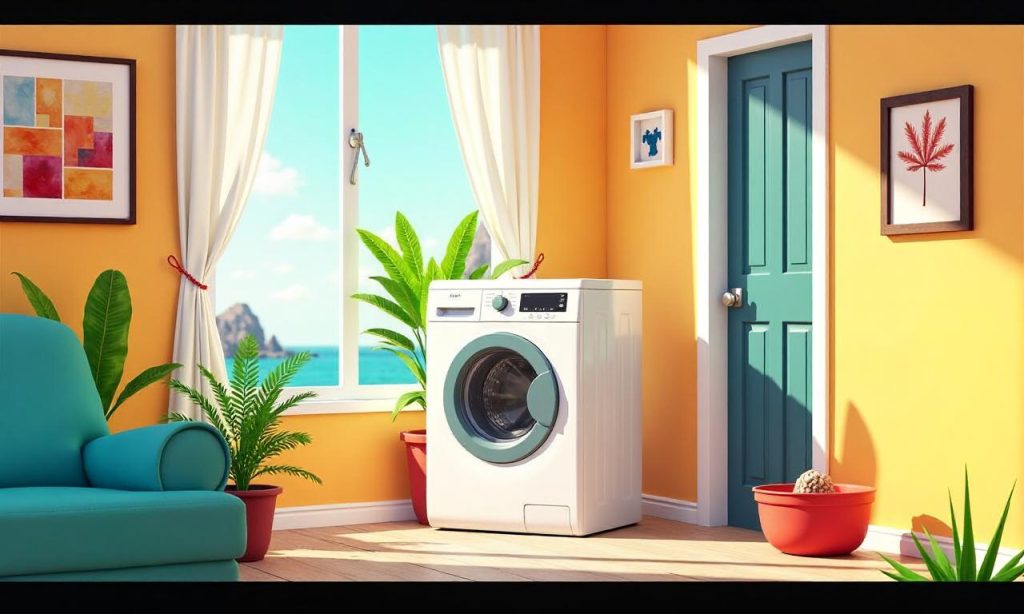
NESO noted that surplus energy events are growing more frequent, emphasizing the need for dynamic consumer engagement. The updated scheme enables customers to earn rewards for using appliances like washing machines, dishwashers, and EV chargers when green energy is plentiful and demand is minimal, such as on weekends or public holidays.
