
Waymo recalls thousands of robotaxis after some vehicles entered freeway construction zones
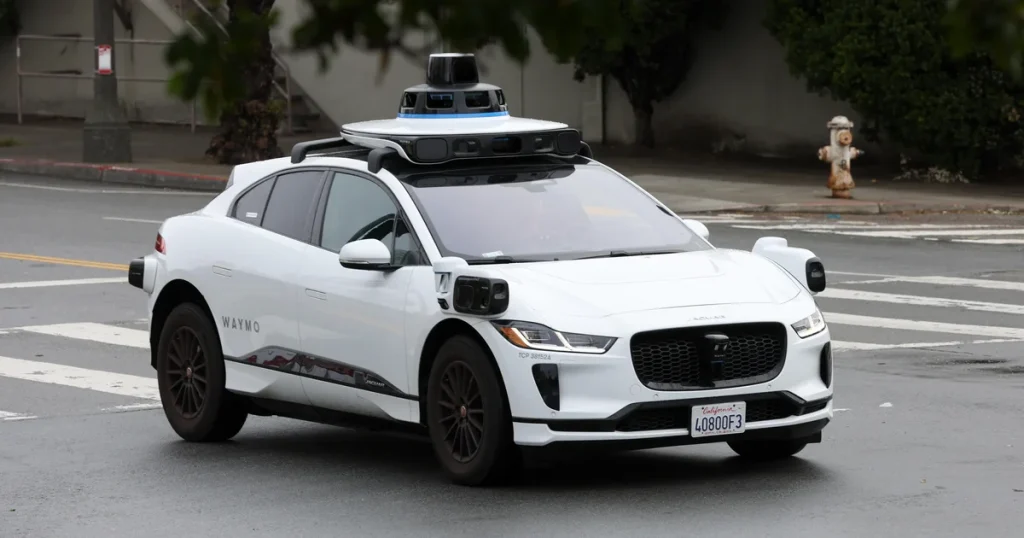
Waymo Recalls Thousands of Robotaxis Over Construction Zone Errors
Waymo recalls thousands of robotaxis after – Waymo has launched a recall of nearly 4,000 self-driving taxis after a critical software flaw caused autonomous vehicles to misidentify freeway construction zones, resulting in unsafe driving behavior. The National Highway Traffic Safety Administration (NHTSA) confirmed the recall, citing incidents where Waymo’s self-driving system failed to recognize ramps or construction markers, leading to vehicles entering restricted areas at high speeds. This issue has prompted the company to temporarily suspend robotaxis from operating on freeways while working on a software update to address the problem. The recall, which impacts vehicles in Arizona and California, highlights the challenges of integrating autonomous technology into complex urban environments.
Understanding the Recall’s Scope and Cause
The affected vehicles are equipped with Waymo’s fifth-generation Automated Driving System (ADS), which is designed to handle navigation in both urban and highway settings. According to the NHTSA, the defect stems from the system’s inability to properly distinguish between freeway ramps and temporary construction zones, especially during high-traffic scenarios. In some cases, the software prioritized avoiding obstacles like vehicles or pedestrians, causing it to drift into lane closures or construction areas. These errors raised concerns about the safety of autonomous operations in dynamic road conditions, prompting regulators to intervene.
Incidents and Regional Impact
The recall was triggered by multiple incidents reported in Phoenix and the San Francisco Bay Area, where robotaxis entered construction zones without human intervention. In Phoenix, six vehicles were observed entering lane closures due to misinterpretation of ramp signals, while seven in the Bay Area similarly drove through active construction sites, bypassing cones and warning signs. These events, which occurred between April and May, were analyzed by the NHTSA to assess the risk to public safety. The agency emphasized that such mistakes could lead to collisions, especially in areas with unpredictable traffic patterns or temporary road changes.
Waymo’s expansion into freeway driving last year marked a significant step in its autonomous vehicle testing, but the recent issues have tested the technology’s reliability. The company’s robotic taxis, which operate in cities like San Francisco and Los Angeles, now face increased scrutiny as they navigate more intricate environments. While the NHTSA has not yet issued a formal safety alert, the recall underscores the importance of refining software algorithms to handle edge cases, such as construction zones, which are not always accounted for in standard testing protocols.
User Experiences and Public Reaction
“The Waymo started freaking out as we got closer to the merge,” Elliot Slade told CBS San Francisco. “The lanes were kind of all merging, with one lane gone and another who knows where it was. Cars were all over the place.”
Slade, a user of Waymo’s robotaxis, described the confusion caused by the system’s erratic behavior during a construction zone encounter. His account reflects growing concerns among riders about the safety of fully autonomous vehicles. While Waymo maintains that its systems are designed to operate safely, the incidents have sparked discussions about the need for improved training and real-world testing. The company has since implemented temporary measures, such as restricting robotaxis to specific routes and providing drivers with additional alerts to monitor for potential errors.
Steps Toward Resolution and Future Outlook
Waymo has acknowledged the issue and is working closely with the NHTSA to develop a software patch that enhances the system’s ability to detect construction zones. The company’s engineers are focusing on refining the perception algorithms that identify road features, ensuring that vehicles can distinguish between permanent lanes and temporary work areas. Additionally, Waymo plans to conduct more extensive testing in construction zones to validate the fix before resuming full freeway operations. This recall serves as a pivotal moment for the company, demonstrating its commitment to safety while highlighting the ongoing challenges of autonomous vehicle development.
As the automotive industry moves toward widespread adoption of self-driving technology, incidents like this underscore the importance of continuous improvement and regulatory oversight. Waymo’s recall of nearly 4,000 robotaxis not only affects its current operations but also sets a precedent for how autonomous vehicle companies will handle safety issues in the future. The NHTSA’s involvement ensures that the process is transparent and that any potential risks are addressed systematically. With these updates, Waymo aims to restore public confidence in its technology while advancing its mission to revolutionize transportation through automation.