
Trump announces 50% tariffs on Canadian auto and steel imports starting in 2027
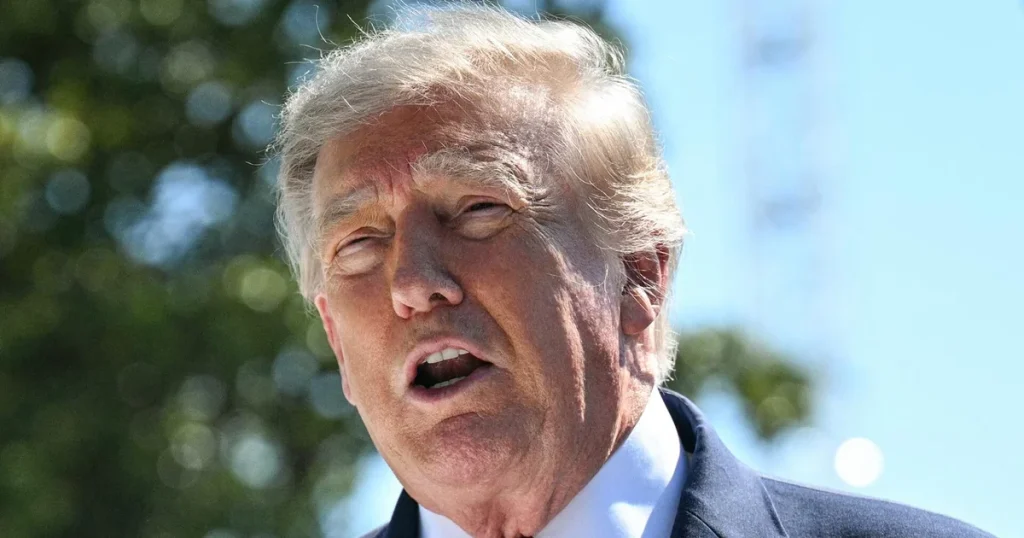
Trump Announces 50% Tariffs on Canadian Auto, Steel
Bizeconanalysis.com – Trump announces 50 tariffs on Canadian vehicles and steel products effective January 1, 2027, according to a Monday Truth Social post by President Donald Trump. The declaration came after months of bilateral negotiations between Washington and Ottawa collapsed without agreement, pushing the two neighboring economies into their sharpest trade confrontation to date and placing the United States-Mexico-Canada Agreement framework under acute strain.
The Announcement and Its Stated Rationale
In the post, the president framed the measure as a corrective to what he described as years of one-sided treatment by Ottawa. He wrote:
“Canada has been ripping off the United States of America for years.”
Under the new schedule, duties on all Canadian-built cars, large and small trucks, automotive components, and steel shipments will climb to the 50 percent mark starting in 2027. Vehicles assembled domestically in the United States remain exempt.
The president added a pointed line:
“Canada will be treated like a State no longer!”
For perspective, non-U.S. automobiles and parts already face a 25 percent levy, and Canadian steel imports currently carry a 50 percent duty. The new auto rate therefore doubles the existing tariff on vehicles and components.
Who Bears the Cost
Barry Appleton, co-director and distinguished senior fellow at the Center for International Law at New York Law School, stressed that the economic weight of the measure lands on American consumers rather than on the Canadian treasury.
“This tariff is collected at the American border, from American car dealers and American buyers. When people hear ‘tariffs on Canada,’ they should understand the first invoice usually lands in a Michigan showroom, not in Ottawa.”
He added:
“Doubling the auto tariff to 50% doesn’t touch Canada’s treasury. It’s paid by the American importer of record, which on most of these vehicles is an American dealer or manufacturer.”
The practical consequence is direct: if U.S. automakers and dealers absorb the added cost, showroom prices on Canadian-assembled vehicles — including models built in Ontario and shipped south — will likely rise. Analysts note that a meaningful share of vehicles sold in the American market are assembled in Canadian plants, so the tariff’s reach extends well beyond the narrow “Canadian imports” label.
Ottawa’s Retaliatory Countermeasures
Prime Minister Mark Carney confirmed that Canada will impose its own duties on a range of American goods effective September 8. Finance Minister François-Philippe Champagne and other cabinet ministers are scheduled to outline the full scope of the countermeasures on Tuesday morning, per the Department of Finance Canada. Carney indicated the retaliatory duties will target U.S. steel, dairy products, household appliances, agricultural equipment, pulp and paper, and electronics — a timing choice that gives Ottawa roughly two months of pressure before the American auto and steel tariffs take effect.
Roots of the Dispute and Expert Assessment
The collapse of talks did not emerge in a vacuum. In a July proclamation, Trump accused Canada of discriminating against American commerce by imposing unfair taxes on U.S. motor vehicles while extending more favorable treatment to other partners. Canada currently levies a 25 percent tariff on American vehicles that do not qualify for duty-free status under the USMCA — a framework Trump himself labeled “unreasonable” in that same document. Separately, 50 percent tariffs on hundreds of Canadian goods, including hockey sticks and agricultural products, took effect Saturday under Section 338 of the Tariff Act of 1930. The new auto and steel duties announced Monday extend that punitive posture into the two largest bilateral trade categories.
Patrick Childress, a partner at Holland & Knight and former assistant general counsel at the Office of the U.S. Trade Representative, offered a structural explanation for the breakdown:
“[The negotiations] may have simply become too expansive and multifaceted to finalize in the limited time available.”
He cautioned that Canada’s public commitment to retaliation complicates any path back to agreement, noting the threat will raise the temperature during further talks.
Frequently Asked Questions
When do the new 50 percent tariffs on Canadian auto and steel imports take effect? January 1, 2027, per the president’s Truth Social announcement.
Which products are covered? All Canadian-built automobiles, large and small trucks, automotive parts, and steel products. U.S.-assembled vehicles are exempt.
Who actually pays the tariff? The American importer of record — typically a U.S. dealer or manufacturer — pays the duty at the border. The cost is passed through to American buyers in the form of higher showroom prices.
What is Canada’s retaliatory response? Prime Minister Carney confirmed countermeasures effective September 8 targeting U.S. steel, dairy, household appliances, agricultural equipment, pulp and paper, and electronics. Full details were to be released by Finance Minister Champagne on Tuesday.
How does this relate to the USMCA? The tariffs place the USMCA framework under severe strain. Trump labeled the agreement “unreasonable” in a July proclamation, and the new duties extend punitive measures into the two largest bilateral trade categories.