
Electric bills are rising as the July 4 heat wave arrives. Here’s how to save.
Electric Bills Surge Amid July 4 Heatwave; Experts Offer Tips to Reduce Costs
Electric bills are rising as the July – As sweltering temperatures blanket much of the United States during the July 4 holiday weekend, households are preparing for another financial challenge: increased electricity expenses. According to the National Energy Assistance Directors Association (NEADA), cooling demands are anticipated to climb by 10.5% this summer compared to the previous year. The rising costs stem from a combination of factors, including extreme weather conditions, higher national gas prices, and the ongoing need to upgrade the electrical grid. For many, the choice now lies between maximizing comfort through air conditioning or finding ways to cut down on energy use without sacrificing too much relief.
Why Cooling Costs Are Soaring
The persistent heatwave has created a perfect storm for energy demand, straining power systems and driving up prices. Mark Wolfe, executive director of NEADA, explained that electricity costs have been outpacing general inflation for several years. “This is a period of significant pressure on energy markets,” he noted, highlighting the role of data centers in consuming large amounts of power. These facilities, which store and process digital information, require constant cooling to prevent overheating, contributing to the overall rise in energy consumption. Additionally, rising natural gas prices have pushed up the cost of generating electricity, particularly in regions reliant on gas-powered plants. The need for infrastructure repairs to the power grid further adds to the financial burden, as maintenance and upgrades become more frequent to handle the increased load.
While the price of electricity is largely beyond individual control, Wolfe emphasized that consumers can still take steps to manage their usage more effectively. “There’s nothing people can do about the price of electricity,” he said, “but they can manage their consumption to reduce strain on the system and their wallets.” His advice focuses on balancing comfort with efficiency, suggesting that small adjustments can lead to noticeable savings over time.
Thermostat Adjustments: A Practical Approach
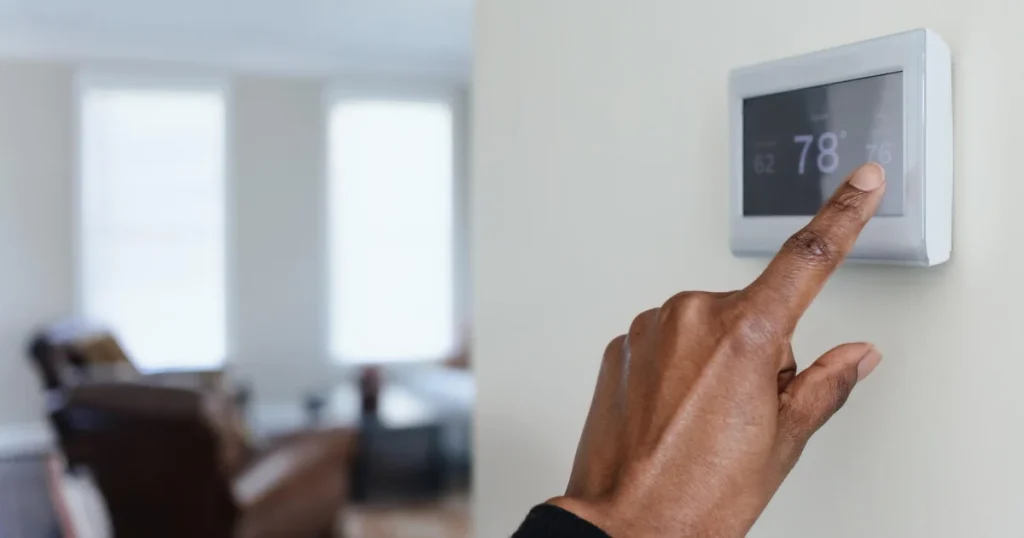
Wolfe recommended a gradual strategy for reducing AC use, rather than making abrupt changes that could disrupt daily routines. He suggested increasing the thermostat by one degree every few days until it reaches a maximum of 78 degrees Fahrenheit. “For every one degree you raise the cooling temperature, you can save approximately 3% on your electric bill,” he explained. This method allows households to adapt to warmer conditions without a sudden drop in comfort, making it easier to sustain over the long term.
According to the National Weather Service, temperatures across the Northeast are nearing historic highs, with over 185 million people under heat alerts on Friday. Major cities like Boston, New York City, Philadelphia, and Washington, D.C., are experiencing the most intense conditions. In response, New York City Mayor Zohran Mamdani posted on social media, encouraging residents to set their air conditioners to 78°F to ease the burden on the power grid. He also called for turning off unused electronics, unplugging non-essential devices, and dimming lights whenever possible. The mayor added that the city is implementing similar measures in public buildings, demonstrating a collective effort to conserve energy during peak demand.
Wolfe’s recommendation of 78°F as the optimal thermostat setting is based on the balance between comfort and energy efficiency. He pointed out that this temperature is generally considered the upper limit for acceptable indoor conditions. “People can set their thermostats higher when they’re away from home and lower again upon returning,” he said, noting that such flexibility can help optimize energy use without compromising quality of life.
Additional Strategies for Energy Efficiency
Alongside thermostat adjustments, Wolfe highlighted the importance of simple yet effective measures to reduce heat buildup inside homes. He suggested closing window shades, blinds, or curtains during the hottest parts of the day to block direct sunlight. “Blocking sunlight can significantly lower indoor temperatures,” he explained, adding that this practice reduces the workload on air conditioning units and, in turn, lowers energy consumption.
Another key step is regular maintenance of cooling systems. “A well-maintained AC unit operates more efficiently and uses less electricity,” Wolfe stated. While repairs and replacements may come with upfront costs, he noted that the savings from reduced energy bills often offset these expenses. “With electricity prices at their current level, the return on investment for maintenance is faster than ever,” he said. This underscores the value of proactive care for appliances that play a critical role in keeping homes cool during extreme weather.
Consumers can also explore alternative cooling methods to supplement their AC units. For instance, using fans to circulate air, taking advantage of natural ventilation during cooler hours, and minimizing heat-generating activities such as leaving ovens on or using high-power appliances during peak times. These small changes, when combined with thermostat adjustments, can create a more sustainable approach to managing energy costs.
Looking Ahead: The Broader Implications
As the summer progresses, the impact of these high temperatures on energy consumption is likely to persist. Wolfe warned that without careful management, households could face recurring spikes in their bills, especially as heatwaves become more frequent due to climate change. “This is not just a seasonal issue—it’s part of a larger trend in energy demand,” he said. The challenge now is to develop habits that prioritize efficiency without sacrificing comfort, ensuring that energy savings become a long-term strategy rather than a temporary fix.
Energy experts agree that the current situation is a wake-up call for consumers to rethink their usage patterns. While the cost of electricity may remain volatile, adopting energy-conscious behaviors can mitigate the financial impact. “These measures are not just about saving money today—they’re about building resilience against future energy price fluctuations,” Wolfe added. By integrating these practices into daily routines, households can contribute to reducing overall demand on the power grid, which is essential for maintaining stable energy supply during extreme weather events.
Ultimately, the key to managing rising electric bills lies in understanding how to use resources wisely. As the NEADA continues to monitor energy trends, it remains a vital resource for families seeking guidance on navigating the challenges of high cooling costs. The combination of gradual thermostat adjustments, shade management, and regular maintenance offers a practical roadmap for saving energy without compromising comfort. By taking these steps, consumers can help ease the strain on the power grid and protect their household budgets during the height of the summer heat.