
Ebola kills 3 Red Cross workers in the Congo, organization says
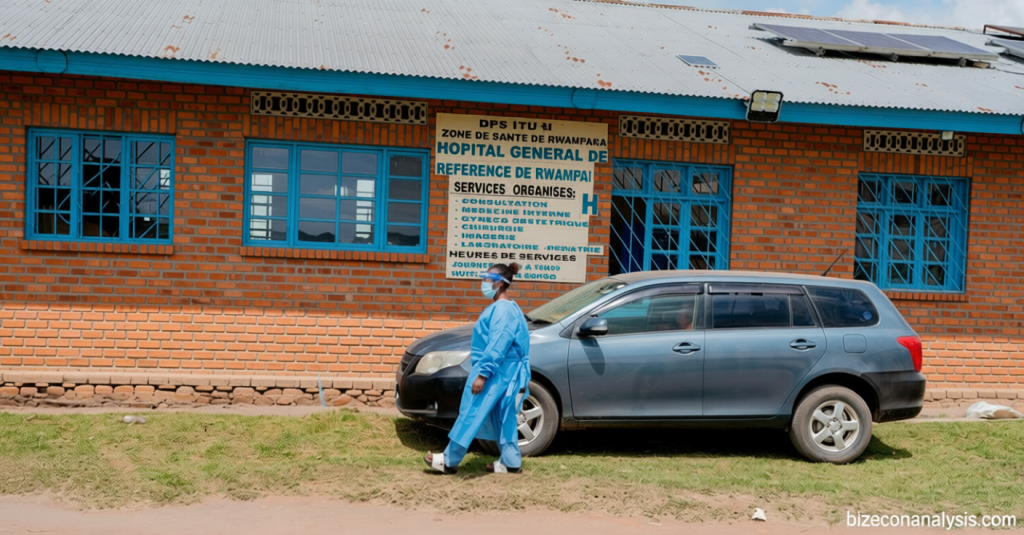
Ebola Outbreak in the Democratic Republic of Congo
Ebola kills 3 Red Cross workers – Three Red Cross workers in the Democratic Republic of Congo have succumbed to the Ebola virus, according to the International Federation of Red Cross and Red Crescent Societies (IFRC). The volunteers, who were from the DR Congo Red Cross in Ituri province, died after contracting the virus during their duties in March. Their deaths mark a significant development in the ongoing crisis, which has already claimed numerous lives and spread across the region. The World Health Organization (WHO) has classified the situation as an international public health emergency, highlighting the severity of the outbreak.
The Ebola virus is a highly contagious pathogen that spreads through direct contact with bodily fluids. It has a fatality rate of up to 90% in some strains, making it a formidable challenge for healthcare workers. The latest fatalities occurred in Djugu territory, where the volunteers were engaged in dead body management activities as part of a humanitarian mission. At the time of their infection, the community was unaware of the outbreak, and the virus had not yet been officially identified in the region. This underscores the risks faced by frontline workers who often operate in the early stages of an epidemic.
Red Cross Volunteers and the Outbreak Response
The IFRC emphasized that the three volunteers were among the first known casualties of the outbreak. Their deaths occurred in late May, with one fatality recorded on May 5 and the other two on May 15 and 16. The organization praised their courage and dedication, stating that their service exemplifies the commitment of Red Cross workers to support vulnerable populations in high-risk environments. The IFRC, which operates in over 191 countries with more than 17 million volunteers, remains steadfast in its efforts to contain the virus and assist affected communities.
Dead body management is a critical component of Ebola response efforts, as it involves safely handling and disposing of corpses to prevent further transmission. The volunteers’ role in this task highlights the essential but dangerous work carried out by humanitarian teams. The outbreak, centered in Ituri, has seen rapid spread, prompting concerns about its potential to reach neighboring countries such as Uganda. In Uganda, three new cases have been confirmed, raising the total number of confirmed cases to five and intensifying the regional response.
The Global Spread and Public Health Measures
The Africa Centres for Disease Control and Prevention (Africa CDC) has expanded the list of high-risk countries to include Angola, Burundi, the Central African Republic, Ethiopia, Kenya, Rwanda, South Sudan, Tanzania, and Zambia. This update reflects the growing urgency to monitor and contain the virus across the continent. Meanwhile, the WHO reported 82 confirmed cases and seven deaths in the Congo, with nearly 750 suspected cases and 177 suspected deaths. These figures illustrate the magnitude of the challenge, even as the global risk level remains at low.
Experts warn that the Bundibugyo strain of the ebolavirus, responsible for the current outbreak, has no approved vaccine or treatments. This lack of medical interventions makes prevention and early detection crucial. Dr. Craig Spencer, an emergency room physician and public health professor who survived Ebola while working with Doctors Without Borders in Guinea in 2014, has expressed particular concern about healthcare workers. He highlighted the risks of close contact during the most contagious phase of the disease, especially around the time of death.
Community Impact and Humanitarian Efforts
The tragic loss of the three Red Cross workers has deepened the emotional toll on local communities. Their deaths occurred during a time when awareness of the outbreak was still limited, emphasizing the need for rapid information dissemination and community education. The IFRC is now redoubling its efforts to strengthen containment measures and provide critical support to healthcare systems overwhelmed by the crisis. This includes training volunteers in safe practices, distributing protective equipment, and coordinating with local authorities.
As the outbreak continues to evolve, the focus remains on mitigating its impact and preventing further spread. The Red Cross and its partners are working tirelessly to ensure that affected families receive essential aid, including food, clean water, and medical care. The organization’s commitment to serving communities in the most challenging circumstances is evident in its continued presence on the ground, despite the high stakes involved. This incident serves as a sobering reminder of the dangers faced by those on the front lines of the pandemic.