
Transcript: Bank of America CEO Brian Moynihan on “Face the Nation with Margaret Brennan,” July 19, 2026
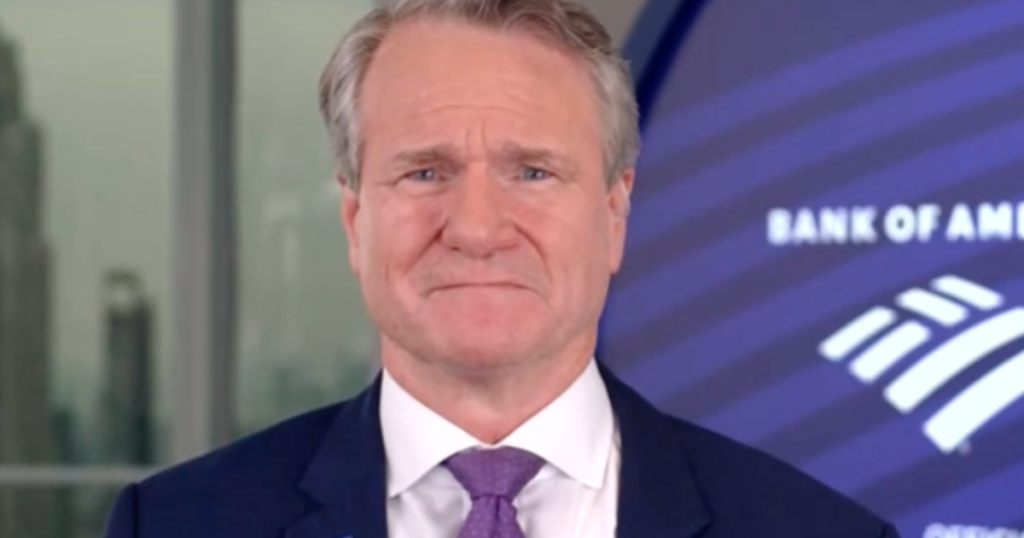
Transcript: Bank of America CEO Moynihan on Face the Nation
Consumer Spending and Affordability Insights
bizeconanalysis.com – This Transcript captures Bank of America’s chief executive officer Brian Moynihan’s comprehensive discussion on Margaret Brennan’s “Face the Nation” program. The interview was recorded on July 16, 2026, and broadcast on July 19 of that year. Readers reviewing this Transcript will find detailed commentary on economic trends, consumer behavior, and monetary policy expectations.
Brennan initiated the conversation by presenting recent polling data showing that economic affordability ranks as the top concern for American households. Survey findings reveal that approximately twenty-two percent of respondents consider this issue the most significant challenge for the nation over the next fifty years. Many citizens remain uncertain about whether their financial circumstances will improve meaningfully.
Regarding actual consumer spending patterns, Moynihan shared several important observations. He reported that roughly seventy million American consumers collectively spend more than four hundred billion dollars each month. During June 2026, these households increased their purchasing activity by approximately five to six percent compared to June 2025. This positive momentum extended into early July as well.
What you see is especially the middle third of households and the top third of households by income, their spending is growing faster.
Moynihan pointed out that despite consumer worries about rising fuel costs, food prices, and general inflation, certain income groups are actually spending more aggressively. He also noted encouraging wage growth across all income levels, which has stabilized at approximately three to four percent recently.
Geopolitical Factors and Economic Outlook
The conversation moved toward international events and their domestic economic implications. Brennan highlighted that gasoline prices have surged by thirty-one percent since conflicts with Iran began. She also mentioned that fuel reserves sit at historically low levels, creating uncertainty for business planning.
Moynihan described how oil and gas pricing affects various stakeholders differently. While pump prices initially dropped from May through June as oil supplies grew, they could climb again if global prices rise. He explained that when crude oil trades near one hundred dollars per barrel, consumers typically pay around four dollars per gallon.
But when business see it, they worry about the cost of goods that’s coming through the pipeline.
Corporate leaders face distinct challenges compared to regular shoppers. Manufacturers and importers who locked in oil and gas during previous expensive periods now carry those higher costs into production of plastics, materials, and other essential inputs. This situation explains why Moynihan’s projections suggest inflationary pressures will continue through 2027 and possibly into 2028.
Monetary Policy and Future Expectations
This prolonged inflation timeline has reshaped expectations for Federal Reserve policy. Moynihan disclosed that Bank of America’s analysis indicates the central bank will likely raise interest rates rather than cut them, marking a notable shift from forecasts made just six months prior. At that earlier time, many experts expected rate reductions to begin.
When Brennan questioned whether immediate action was likely, Moynihan suggested that more significant moves would probably happen toward the end of 2026. He referenced recent economic indicators pointing to approximately three rate increases being necessary. However, he emphasized that the final direction would depend on developments beyond energy costs, especially in housing and food markets.
But the reality is, this type of inflation takes a long time to squeeze out of the system.
Moynihan wrapped up by observing that while some improvement appears across various price categories, the decline has been slower than many hoped. This Transcript concludes with the understanding that achieving meaningful inflation relief will require patience and consistent policy focus over the coming months and years.