
Gas prices fall below $4 a gallon for the first time in nearly 3 months
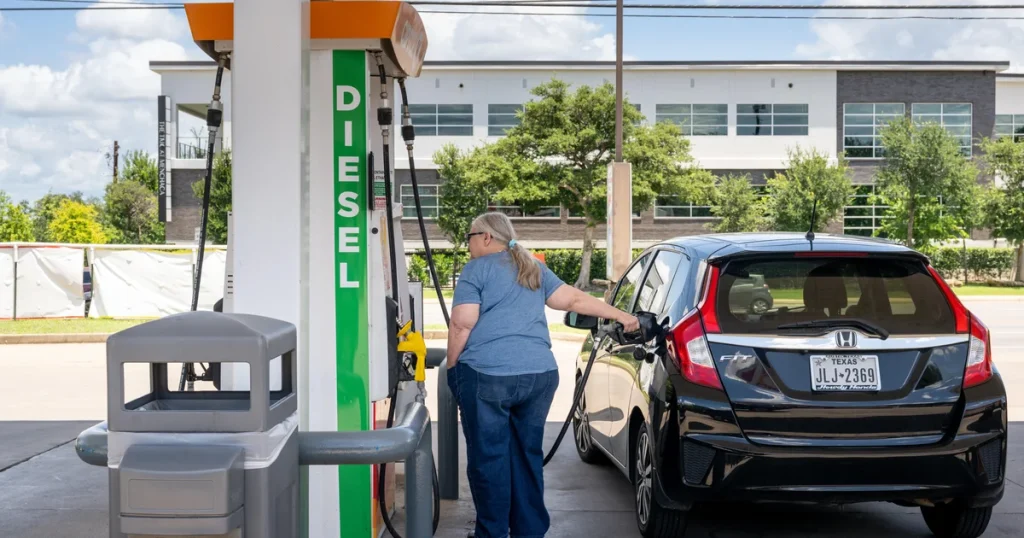
U.S. Gasoline Prices Drop Below $4 per Gallon After Three-Month Hiatus
Gas prices fall below 4 a gallon – Thursday marked a notable decline in U.S. gasoline prices, with the average cost per gallon dipping below $4 for the first time in nearly three months. According to AAA, the national average settled at $3.99, the lowest level since March 30, signaling a temporary reprieve from the upward trend that had dominated the market. This shift comes amid easing tensions in the region, as a preliminary agreement between the U.S. and Iran to end the war appears to have stabilized the situation, reducing fears of prolonged disruptions to global oil supplies.
Strait of Hormuz Reopens, Alleviating Market Fears
The Strait of Hormuz, a critical maritime passage, was nearly closed for three months due to the ongoing conflict between Iran and the U.S. This chokepoint, which facilitates the flow of approximately one-fifth of the world’s oil, had become a focal point of anxiety as its closure threatened to send shockwaves through the energy sector. However, with the signing of a memorandum of understanding by President Trump on Wednesday, commercial vessels began traversing the waterway again, restoring some normalcy to oil transportation.
Analysts noted that the reopening of the strait, though not a full resolution of the dispute, has provided a much-needed boost to market confidence. The move allows for a gradual return of oil shipments, which had been delayed by the blockage. This development has contributed to a decline in crude oil prices, as traders anticipate a resumption of stable supply chains. The impact of this relief is now visible in the price of gasoline, which has retreated from its recent peaks.
Global Oil Prices Reflect Market Adjustments
Thursday’s drop in gasoline prices coincided with a decline in global crude oil benchmarks. Brent crude, the international standard, fell by 1.4% to $78.46 per barrel, while West Texas Intermediate, the U.S. benchmark, dropped 2.2% to $75.10 per barrel. These reductions indicate that market participants are beginning to price in the improved outlook for oil supplies, even as the broader geopolitical situation remains uncertain.
The preliminary deal between the U.S. and Iran has led to expectations of a more sustained resolution to the conflict. Although the agreement is not yet finalized, its announcement has eased concerns about the potential for further blockages. This optimism has translated into a cooling of oil prices, which in turn has tempered the upward pressure on fuel costs for American consumers. However, prices remain elevated compared to pre-war levels, with the average gallon of gas still more than $1 higher than it was at the onset of the conflict.
Expert Predicts Continued Price Decline
Patrick De Haan, a petroleum analyst at GasBuddy, highlighted the potential for further declines in gasoline prices. In a recent report, he stated that the national average could continue to fall, “provided there isn’t a drastic reversal and the U.S. and Iran remain aligned in their efforts to resolve the conflict.” De Haan’s assessment underscores the importance of sustained diplomatic progress in shaping the trajectory of fuel costs.
“Provided there isn’t a drastic reversal and the U.S. and Iran continue moving in a positive direction, the cost of regular gasoline could fall below $3 a gallon by the end of this year or early 2027,” De Haan added in an email to CBS News.
The analyst also noted that Iran’s ability to resume oil exports could accelerate the replenishment of global reserves, which has been a key factor in the market’s response. If the deal leads to a permanent easing of tensions, the reduction in oil prices may persist, offering consumers a chance to see continued savings. However, De Haan cautioned that any escalation in hostilities could reverse this trend, emphasizing the delicate balance between geopolitical stability and energy markets.
Broader Implications for the Energy Sector
The recent developments in the Iran-U.S. conflict have had far-reaching effects on the energy sector. While the temporary reopening of the Strait of Hormuz has alleviated immediate concerns, the long-term impact of the deal depends on its implementation and the resolution of underlying issues. The war had disrupted the normal flow of oil, causing a spike in prices and creating volatility in markets worldwide.
For the U.S. market, the drop below $4 per gallon represents a small but significant step toward normalcy. The nation’s gasoline prices had been climbing steadily since the conflict began, with consumers bearing the brunt of the increased costs. Now, as crude prices stabilize, there is a glimmer of hope that prices will continue to moderate. However, the extent of the decline will hinge on how the situation in the Middle East evolves over the coming months.
Analysts also pointed to the role of global demand in influencing prices. With economic activity in key regions such as Europe and Asia remaining resilient, the market has shown a degree of resilience despite the initial shock from the blockage. However, the potential for a slowdown in demand could further pressure prices, particularly if the deal leads to a decrease in the threat of supply disruptions.
Consumer Relief and Future Outlook
As gasoline prices retreat, consumers are beginning to experience the benefits of this market correction. The national average of $3.99 per gallon, while still above pre-war levels, offers a tangible reduction in weekly expenses for drivers. This development has been met with cautious optimism, as many continue to monitor the situation closely for any signs of renewed instability.
Despite the progress, challenges remain. The conflict has caused a ripple effect across the energy market, and the long-term effects of the agreement will depend on the depth of the resolution. For now, the drop in prices is a welcome relief, but the path to sustained lower costs may require continued cooperation between the two nations. De Haan’s forecast of prices potentially falling below $3 per gallon by late 2026 or early 2027 remains contingent on the success of the deal and the restoration of full oil flow through the Strait of Hormuz.
Ultimately, the interplay between geopolitical events and energy markets underscores the vulnerability of global fuel prices to regional tensions. The current decline in gasoline prices is a reflection of market adjustments, but the broader picture will depend on the outcome of the U.S.-Iran negotiations. As the situation unfolds, consumers and traders alike will remain watchful, anticipating the next wave of developments that could impact the price at the pump.