
Cellphone fire reported on British Airways flight before landing at Las Vegas airport
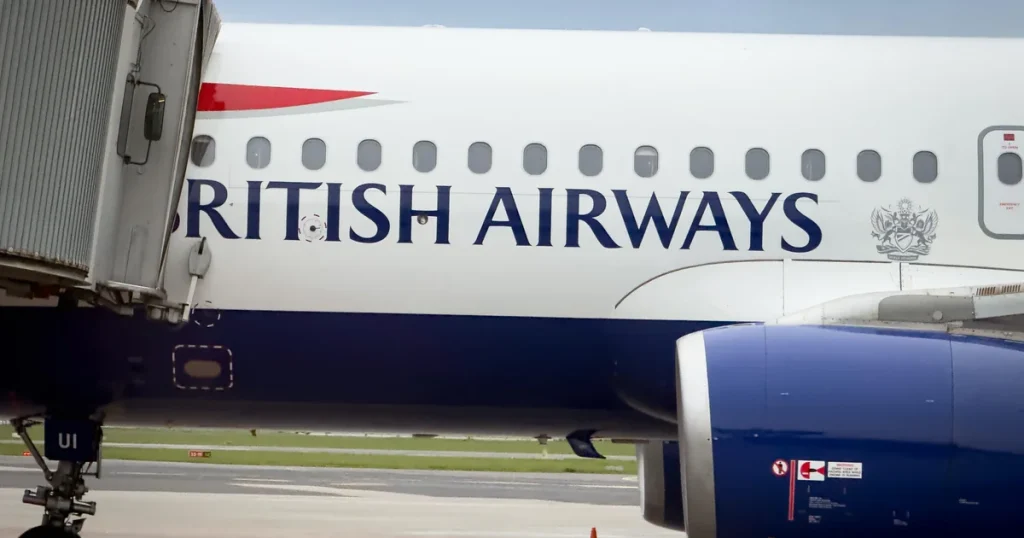
Cellphone Fire Reported on British Airways Flight Before Landing at Las Vegas Airport
Incident on Monday Flight Sparks Safety Concerns
Cellphone fire reported on British Airways – A fire involving a cellphone was reported aboard a British Airways flight traveling from London to Las Vegas on Monday, according to the airline. The Federal Aviation Administration (FAA) confirmed that Flight 271 landed safely at Harry Reid International Airport after the crew alerted authorities about the incident. The pilot, speaking over the air traffic control channel, described the situation as a “cellphone fire that scorched the inside of the cabin,” though he emphasized that the issue was contained and did not escalate into a full-blown emergency.
The Las Vegas airport authorities noted that the pilot had initiated an alert, but British Airways clarified to CBS News that the aircraft arrived on schedule and no formal emergency was declared. This distinction is significant, as it highlights the airline’s assessment of the event’s severity. While the exact model of the cellphone responsible for the fire remains unknown, the FAA has begun an investigation to determine the cause.
Electronic devices such as smartphones, laptops, and portable rechargeable gadgets pose fire risks because of their lithium batteries, which are prone to short circuits. These batteries, commonly used in modern technology, can overheat and ignite if damaged or exposed to extreme conditions. Passengers are restricted in how much lithium battery capacity they can carry on board, with certain limits applying to both carry-on and checked luggage. However, the FAA has stated that passengers are allowed to bring devices on board as long as they comply with safety regulations.
British Airways’ spokesperson confirmed to CBS News that the incident did not disrupt the flight’s itinerary. The airline’s statement underscores the importance of crew training in handling such situations swiftly. The pilot’s audio transmission to air traffic control, which is now part of the FAA’s review, provides critical real-time insight into how the crew managed the fire. The use of onboard fire suppression systems likely played a role in preventing further damage.
The FAA has reiterated that lithium batteries are a primary concern in aviation safety. In recent years, there has been a growing emphasis on stricter guidelines to mitigate the risk of battery-related incidents. For instance, in April 2025, American Airlines implemented new restrictions on portable chargers, requiring passengers to keep them in designated storage areas during takeoff and landing. This move was part of a broader industry effort to reduce the likelihood of fires caused by overcharging or faulty batteries.
According to FAA data, nearly 100 battery fire incidents were recorded in 2025, with the majority involving portable power banks and vaping devices. These statistics highlight the increasing frequency of such events, prompting airlines and regulatory bodies to reassess their protocols. The British Airways incident, though isolated, aligns with a pattern of similar occurrences that have led to heightened vigilance in air travel.
The FAA’s investigation into the cellphone fire will examine factors such as the device’s battery type, the conditions under which the fire occurred, and whether the airline followed all safety procedures. Aviation experts suggest that such incidents often result from a combination of factors, including electrical malfunctions, exposure to high temperatures, or physical damage to the battery. Passengers are advised to monitor their devices closely and report any unusual behavior during flights.
In response to the growing concern, the FAA has encouraged airlines to update their safety briefings and reinforce guidelines for handling electronic devices. This includes educating passengers on the proper storage of lithium batteries and the use of surge protectors. The incident on Flight 271 serves as a reminder of the potential hazards associated with modern technology, even in routine travel.
British Airways’ statement also emphasized the crew’s quick action in addressing the issue. While the pilot’s description of the fire as “scorched the inside of the cabin” paints a vivid picture of the event, it also reassures the public that the situation was managed effectively. The airline’s commitment to safety is evident in its transparency about the incident and its adherence to regulatory standards.
Passengers aboard the flight were not injured, and the fire did not affect the aircraft’s systems or navigation. The FAA’s investigation will determine whether the incident could have been prevented with additional precautions or if it was an unforeseen occurrence. This case may also prompt further discussions about the need for updated battery safety measures in the aviation sector.
The incident on British Airways Flight 271 is a small but significant event in the context of broader aviation safety trends. With the increasing reliance on electronic devices, the risk of battery-related fires has become a critical issue for airlines and regulatory agencies. The FAA’s ongoing efforts to monitor and address these risks reflect the industry’s commitment to passenger safety.
In addition to the 100 incidents reported in 2025, there have been several notable cases in recent years. For example, a 2023 incident involving a laptop fire on a United Airlines flight in the United States led to temporary evacuation procedures. These events have reinforced the importance of adhering to guidelines for carrying and charging electronic devices during flights.
Airlines are also exploring new technologies to prevent battery fires. Some carriers have begun using thermal sensors in cabins to detect early signs of overheating, while others are testing battery compartments with enhanced insulation. These innovations aim to reduce the risk of incidents like the one on Flight 271, ensuring that passengers can continue to use their devices without compromising safety.
The British Airways incident, though contained, highlights the need for continuous improvement in aviation safety measures. As electronic devices become more integrated into daily travel, the responsibility to manage their risks falls on both airlines and passengers. The FAA’s investigation will provide valuable insights into how such events can be minimized in the future.
In conclusion, the cellphone fire on British Airways Flight 271 serves as a case study in how modern aviation systems handle unexpected emergencies. While the event did not result in any injuries or major disruptions, it underscores the importance of vigilance and preparedness. As the FAA continues its investigation, the findings may influence new regulations or guidelines aimed at preventing similar incidents. The airline’s adherence to safety protocols and the pilot’s timely response are key factors in ensuring a safe landing and minimizing the impact of the incident.
Passengers are encouraged to stay informed about the latest safety measures and to follow guidelines for using electronic devices during flights. The FAA’s ongoing efforts to address battery risks and the industry’s response to such incidents reflect a shared commitment to maintaining the safety of air travel in an increasingly tech-dependent world. As more data becomes available, the aviation sector will continue to adapt its strategies to prevent future occurrences.