
Early results on “Swiss Brexit” indicate defeat of measure that would cap population at 10 million
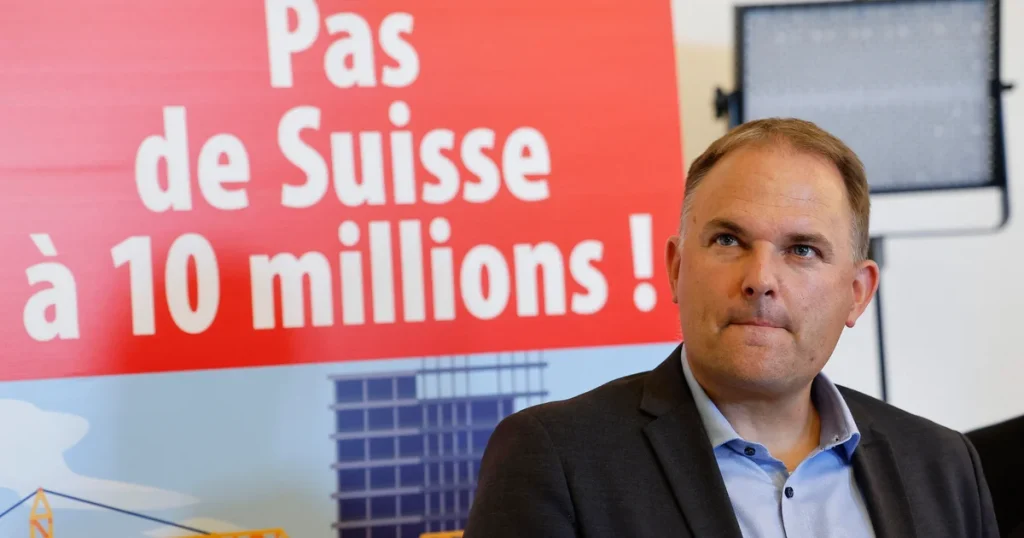
Swiss Brexit Referendum Defeated in Early Results
Early results on Swiss Brexit indicate – Early results on Swiss Brexit have emerged, showing the measure to cap population at 10 million is facing defeat. Switzerland’s voters cast their ballots in a pivotal referendum on Sunday, which aimed to limit the country’s population through the “Swiss Brexit” initiative. The proposal, backed by the Swiss People’s Party (SPP), was viewed as a potential shift toward stricter immigration policies. Initial tallies suggest a clear majority opposed the measure, with nearly 53% of voters rejecting it. The referendum, part of the broader “Swiss Brexit” campaign, has sparked significant debate across the nation.
Swiss Brexit and Immigration Concerns
The “Swiss Brexit” proposal, officially titled the “sustainability initiative,” sought to address growing concerns over demographic pressures on infrastructure, housing, and social services. Proponents argued that rapid population growth had strained resources and threatened the country’s cultural identity. The SPP, known for its conservative stance, framed the measure as a necessary step to preserve Switzerland’s way of life, drawing parallels to the Brexit campaign’s emphasis on national sovereignty and control over borders.
Supporters claimed the initiative would ease pressure on public systems while maintaining economic stability. However, critics warned that the plan could disrupt Switzerland’s long-standing ties with the European Union (EU). The country, though not an EU member, is bordered by four of its 27 states, and its economic and social frameworks are deeply intertwined with EU trade agreements, cultural exchanges, and cross-border mobility. Implementing a population cap might challenge these relationships, raising fears of economic repercussions.
Public Sentiment and Diverging Views
Despite the SPP’s efforts, the “Swiss Brexit” referendum sparked a wide range of opinions. In Geneva, a city known for its global diplomatic role and diverse population, early results indicated that about two-thirds of voters were against the measure. This highlights the complexity of the issue, as even urban centers with multicultural communities rejected the proposal.
Public sentiment varied significantly. Maria Lalu, a Filipina expatriate who moved to Switzerland in the early 1980s, supported the measure. “I have nothing against immigration,” she stated, adding, “I also am a stranger.” Her perspective reflects the views of some long-time residents who see the initiative as a way to manage the influx of people. Conversely, schoolteacher Natascha Robert voted against it, citing worries over its impact on Switzerland’s EU partnerships. “I think people always have something to bring us,” she said. “Does that mean that we have more foreigners, I feel less Swiss? Really, not.” Her statement underscores the debate over whether cultural diversity enriches or dilutes Swiss identity.
Immigration Trends and Policy Evolution
Switzerland has a long history of direct democracy, allowing citizens to influence policy through regular referendums. The “Swiss Brexit” initiative is part of a broader trend of public demand for stricter immigration controls, which the SPP has championed for over a decade. Since 2002, when free movement agreements with the EU were expanded, the population has grown by 23%, reaching 9.1 million as of the end of last year. This surge has brought both opportunities and challenges, with foreign labor contributing to critical sectors like healthcare and technology.
While the “Swiss Brexit” measure was defeated, it reflects ongoing tensions over immigration. The OECD reported that 32% of Switzerland’s population is foreign-born, placing it second in the OECD group behind Luxembourg and Australia. This statistic illustrates the country’s openness to migration, even as debates over its consequences intensify. The SPP’s initiative aimed to curb this trend, arguing that demographic growth has outpaced infrastructure development and social programs. However, the current defeat suggests that Swiss voters remain divided on the issue.
The “Swiss Brexit” referendum also had implications for Switzerland’s international standing. By opposing the population cap, voters signaled continued support for open borders, which aligns with the nation’s reputation as a global hub for international cooperation. The result may influence future policy discussions, as the SPP is likely to advocate for alternative measures to address immigration concerns without imposing a strict cap.
Broader Implications for Swiss Society
The “Swiss Brexit” measure’s failure could reshape the political landscape. The SPP, which had been a dominant force in recent years, may now need to pivot its strategy. While the proposal was seen as a bold attempt to assert control over population growth, its defeat highlights the complexity of balancing cultural preservation with economic needs. Critics argue that the initiative, though well-intentioned, underestimated public support for immigration and the benefits of a diverse workforce.
Switzerland’s decision to reject the population cap may also affect its relationships with neighboring EU countries. The referendum was part of a larger conversation about how the nation navigates its role in European integration while maintaining its distinct identity. With early results indicating a defeat, the focus will likely shift to alternative solutions that address demographic challenges without severing ties with the EU. The outcome underscores the dynamic nature of Swiss public opinion and its responsiveness to evolving societal needs.