
Greek police using masked migrants to forcibly push other migrants back across border
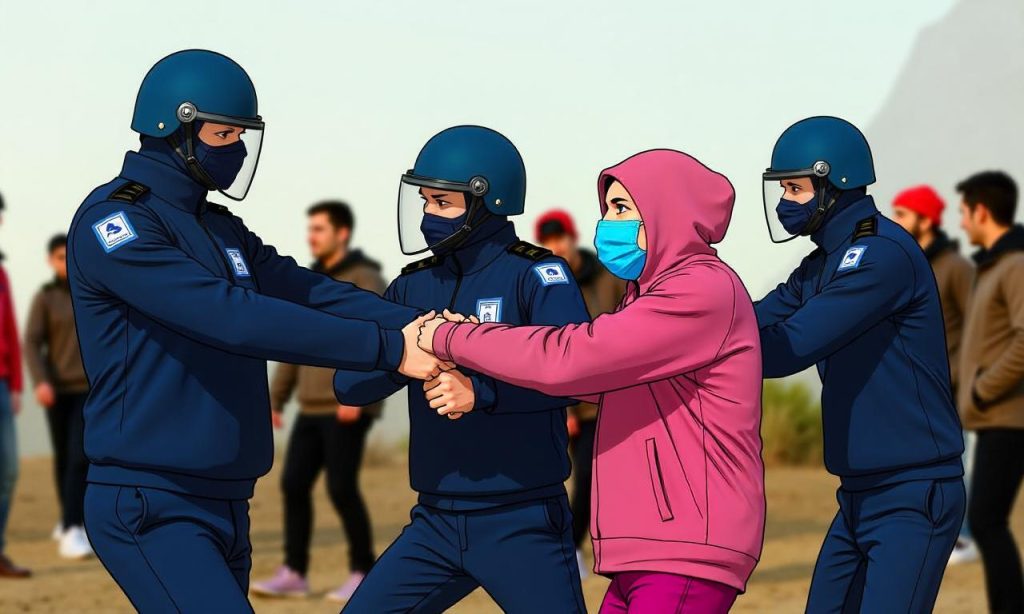
Greek police using masked migrants to forcibly push other migrants back across border
Evidence of Recruitment and Brutality
According to recent findings, Greek authorities have been employing migrants as unregistered agents to expel others across the border with Turkey. The BBC has obtained internal police records in which officers detail the directive to recruit so-called mercenaries, supervised by high-ranking personnel. These documents highlight claims of harsh treatment, with multiple witnesses reporting incidents of stripping, theft, beating, and even sexual assault. The practice of deploying masked individuals as pushback facilitators has reportedly continued since 2020, operating outside official channels.
Pushbacks and Legal Concerns
Pushbacks, defined as the forced return of asylum seekers without proper legal process, are typically deemed unlawful under international regulations. The issue gained attention in 2022 when Lighthouse Reports, a Dutch-based outlet, documented claims of foreign men in masks conducting such actions. The BBC’s investigation, conducted in partnership with the Consolidated Rescue Group, began last autumn after receiving video footage allegedly depicting migrants being mistreated by mercenaries. The clip was provided by a smuggler who expressed dissatisfaction with his collaborators.
Border Dynamics and Military Zones
The land border between Greece and Turkey spans 200 kilometers along the Evros River, forming the EU’s outermost frontier. This region is under strict military control, featuring watchtowers and restricted access. A local police source confirmed that mercenaries are used to repel hundreds of individuals weekly. “Every officer stationed in Evros is aware of these operations,” the source stated. The migrants involved in these activities are themselves refugees or asylum seekers, drawn from countries like Pakistan, Syria, and Afghanistan, and are incentivized with stolen goods and documents.
Incident and Investigative Findings
In June 2023, the BBC was shown footage of an ambush targeting migrants who had just entered Evros seeking asylum. A Frontex-attached investigator, the Fundamental Rights Office, reported that 10 to 20 non-EU nationals were acting under Greek directives during the event. These individuals subjected migrants to verbal and physical abuse, including death threats, sexualized searches, and theft. The victims were then forcibly transported back to Turkey, violating EU human rights standards. Greek authorities have contested this, asserting no migrants from the group were present on that day.
Human Rights Implications
Maria Gavouneli, president of Greece’s human rights commission (GNCHR), described the situation as a “major breach” of rights. The commission has documented over 100 alleged forced returns in Evros since 2020, with several cases involving non-Greek nationals in recent months. While cases have reportedly decreased, the frequency of such incidents remains a concern. The prime minister, Kyriakos Mitsotakis, stated in March that he was “unaware” of the use of mercenaries, though he emphasized Greece’s role in border protection and its commitment to preventing future mass arrivals.
Frontex’s Response
Frontex, the EU border agency, has dismissed allegations of involvement, maintaining that the operations are carried out by Greek forces. The agency has not provided further clarification, leaving the claims to be addressed by the Greek government. The BBC’s collaborative investigation continues to uncover new evidence, shedding light on a systemic pattern of human rights violations at the border.
