
Clear Eyes eye drops recalled nationwide over contamination risk, FDA says
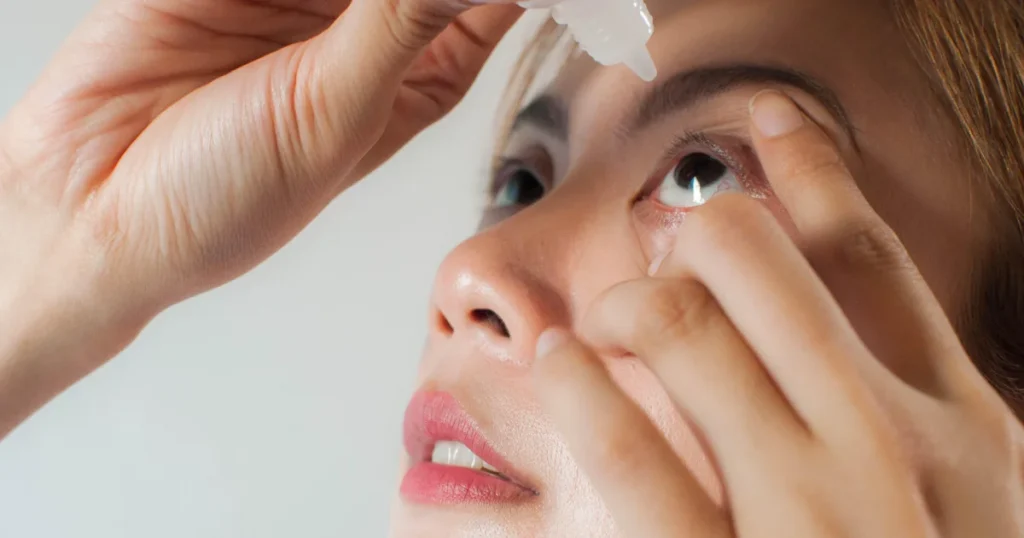
Nearly 40,000 Bottles of Popular Eye Drops Pulled From Shelves Nationwide After Sterility Concerns
Bizeconanalysis.com – Shoppers across the United States who rely on over-the-counter eye drops for relief from itchy, irritated eyes should check their medicine cabinets this week. Prestige Consumer Healthcare, a New York-based company that manufactures consumer health products, has voluntarily pulled approximately 40,000 bottles of its Clear Eyes Maximum Itchy Eye Relief line from retail shelves and online distributors. The action, triggered on July 29, stems from what the company described as an inability to guarantee that every unit remained sterile after filling.
The U.S. Food and Drug Administration confirmed the recall in a public notice, characterizing the underlying issue plainly:
“The recall is due to potential contamination.”
That single sentence carries significant weight for anyone who has ever dropped a few drops into tired, wind-burned, or allergy-ridden eyes. Eye drops are applied directly to the ocular surface, a mucous membrane that absorbs substances readily and sits adjacent to the brain. Unlike topical creams applied to intact skin, ophthalmic formulations must meet the highest sterility standards available in consumer medicine. A break in that sterility chain — whether from a compromised filling environment, a degraded preservative system, or a packaging defect — introduces the theoretical possibility that microorganisms could reach the eye.
What the Product Does and Who Makes It
Clear Eyes Maximum Itchy Eye Relief is a 15-milliliter bottle of ophthalmic solution designed to ease the discomfort of seasonal allergies, dryness, and minor irritants. Its label promises reduction of itchiness, redness, and general ocular irritation. Prestige Consumer Healthcare, headquartered in New York, has marketed the Clear Eyes brand for years as a shelf-staple remedy in pharmacies, grocery chains, and e-commerce platforms. The affected units were shipped to distributors in every state, meaning the recall footprint is truly national rather than confined to a single region or retailer.
How Serious Is a Class II Designation?
The FDA sorted this event into its Class II recall category. Under the agency’s own taxonomy, a Class II recall applies when a product defect “could cause temporary or medically reversible adverse health consequences.” In practical terms, that means the agency does not believe the contamination would produce permanent injury or death, but it does consider the risk serious enough to warrant immediate removal from commerce. Class I recalls involve products likely to cause serious injury or death; Class III recalls involve defects unlikely to cause more than minor harm. Class II sits in the middle — significant, actionable, but not catastrophic.
For context, the FDA issues roughly 1,000 to 1,200 recall notices per year across all product categories, from infant formula to contact lenses to over-the-counter analgesics. Eye-drop recalls are uncommon relative to the volume of ophthalmic products sold, which makes this event noteworthy for consumers who use the category regularly.
Why Sterility Matters in Ophthalmic Products
The conjunctiva — the thin, vascularized membrane covering the front of the eye — lacks the robust barrier function of skin. Microorganisms introduced into the tear film can multiply rapidly in the warm, nutrient-rich environment of the eye. Even low-level bacterial or fungal contamination in a multi-dose bottle, where each use introduces air and potential contaminants back into the solution, can escalate over the weeks a bottle remains open. Preservatives such as benzalkonium chloride are included in multi-dose formulations precisely to suppress microbial growth between uses, but their efficacy depends on the solution remaining uncontaminated from the factory floor onward.
A “lack of assurance of sterility,” as Prestige phrased it, does not necessarily mean a confirmed infection has been found in a patient. It means the company’s internal quality review could not certify, with the statistical confidence the FDA requires, that every bottle in the affected lot exited the filling line free of viable organisms. That distinction matters: the recall is precautionary and process-driven rather than patient-driven, though the agency treats both with equal urgency once a notice is filed.
Recall Identification Details
Consumers can determine whether a bottle in their home belongs to the affected batch by checking the lot code printed on the carton or bottle. The following identifiers apply to the recalled units:
Recall number: D-0766-2026
Lot code: 2552A
Expiration date: September 30, 2027
If a bottle matches that lot code, the company advises consumers to stop using it and return it to the point of purchase for a refund or replacement. Those who bought the product online should contact the retailer directly. No consumer has been publicly identified as having suffered an adverse event linked to this lot as of the notice date.
What Consumers Should Do Now
Anyone who has used a bottle from lot 2552A in the past several weeks and notices persistent redness, discharge, blurred vision, or worsening irritation that does not resolve within a day or two of stopping use should contact an eye-care professional. These symptoms are common after many benign irritants, but in the context of a sterility recall they warrant a brief clinical check. Most pharmacies will accept the returned bottle without requiring a receipt, though keeping one simplifies the refund process.
Prestige Consumer Healthcare did not immediately respond to a request for additional comment on the scope of the investigation or the specific manufacturing step under review. The company’s corporate communications office in New York was reached for follow-up but had not issued a statement at the time of publication.
The FDA’s recall notice remains publicly accessible on the agency’s website under recall number D-0766-2026, where updates on completion status, unit counts returned, and any subsequent findings will be posted. Until the agency closes the file, retailers are expected to keep affected stock segregated from sellable inventory.
Related Reading
Frequently Asked Questions
What is Clear Eyes eye drops recalled nationwide?
Clear Eyes eye drops recalled nationwide is the main topic of this guide. The article explains the context, practical details, and next steps readers should understand.
Why does Clear Eyes eye drops recalled nationwide matter?
Clear Eyes eye drops recalled nationwide matters because readers are looking for a useful answer, not just a short summary. Good content should match search intent and help them decide what to do next.