
Rep. Jim Himes says Bill Pulte in intelligence role is Trump’s “worst and most dangerous” appointment
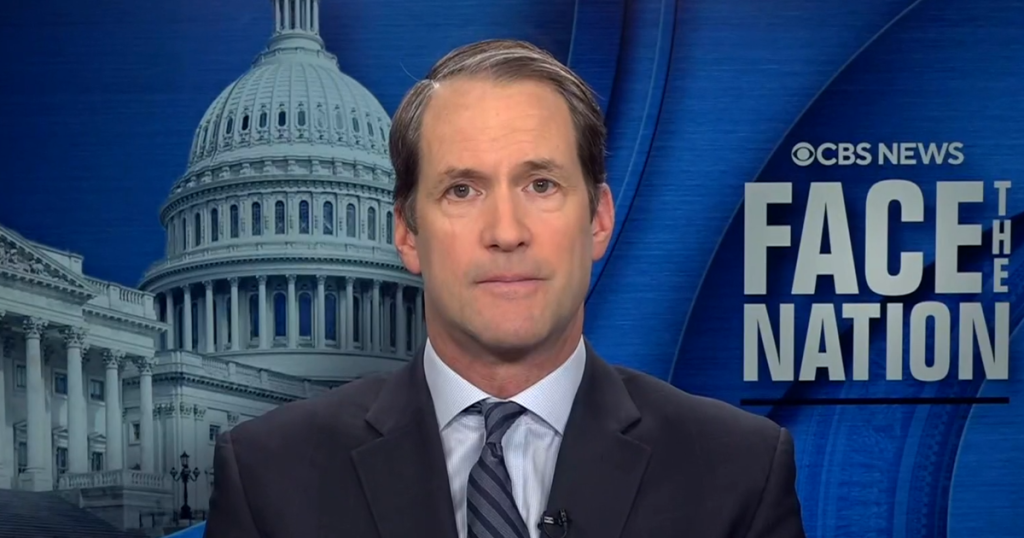
Rep. Jim Himes Criticizes Bill Pulte’s Intelligence Role as ‘Worst and Most Dangerous’ Move
Rep Jim Himes says Bill Pulte – Rep. Jim Himes has condemned President Trump’s appointment of Bill Pulte as acting director of national intelligence, labeling it the “worst and most dangerous” decision of his administration. As the top-ranking Democrat on the House Intelligence Committee, Himes expressed concerns that Pulte’s lack of national security expertise could jeopardize the reauthorization of Section 702 of the Foreign Intelligence Surveillance Act. The program, which expires this Friday, allows the government to collect foreign intelligence without a warrant, a tool critics argue is essential for countering global threats. Himes emphasized that Pulte’s placement in this critical role risks undermining the intelligence community’s credibility and the nation’s ability to respond swiftly to emerging dangers.
Section 702 Reauthorization at Risk
Himes highlighted the urgency of reauthorizing Section 702, noting that Congress has already postponed the decision twice through short-term extensions. With the deadline approaching, he warned that the program could face termination, leaving a significant gap in the U.S.’s surveillance capabilities. “Bill Pulte has no experience in national security, and this appointment is a direct threat to the reauthorization process,” Himes stated. The reauthorization has been a contentious issue, with Democrats and Republicans divided over its balance between intelligence gathering and civil liberties. Himes argued that the current administration’s choice of Pulte could push the program toward expiration, despite bipartisan support for its core functions.
“This is not just a misstep—it’s a direct attack on the reauthorization of a vital intelligence tool,” Himes asserted. “If we don’t act quickly, we risk losing the ability to monitor foreign threats without judicial oversight, which could have disastrous consequences.”
Legislative Struggles and Bipartisan Frustration
Earlier this year, the House passed a three-year reauthorization of Section 702, with 42 Democrats backing the bill. However, the Senate stalled progress due to a separate provision targeting the Federal Reserve’s digital currency plans. Himes pointed out that this delay has left the program in limbo, and Pulte’s appointment compounds the problem. “At least half of the Democrats who supported this bill may no longer be in the same position, making it even harder to secure reauthorization,” he said. The standoff between the House and Senate underscores growing bipartisan frustration over the program’s future, with both parties fearing the consequences of its lapse.
Republican senators like Tom Cotton and Chuck Grassley have also raised alarms about the potential fallout. In a letter to Secretary of State Marco Rubio, they urged the White House to prepare for an intelligence gap if Section 702 expires on Friday. “We need to identify critical targets and alternative methods to ensure continuous intelligence collection,” the senators wrote. While the House has shown willingness to support the program, the Senate’s resistance highlights the political challenges in maintaining its reauthorization under Pulte’s leadership.
“The president’s selection of Bill Pulte represents a failure to prioritize the intelligence community’s needs,” Cotton and Grassley argued. “Without immediate action, we risk losing essential surveillance capabilities that have protected the country for years.”
Rep. Jim Himes has consistently called for a more qualified leader to oversee the intelligence role. “Bill Pulte is not just an ordinary appointment—he’s a symbol of the administration’s disregard for national security expertise,” Himes added. The debate over Pulte’s suitability has intensified as lawmakers grapple with the implications of a Section 702 lapse. While the program’s proponents defend it as a necessary tool for countering foreign adversaries, critics like Himes argue that its continuation depends on leadership that prioritizes experience and reliability. As the deadline looms, the pressure on the White House to resolve the crisis grows, with Himes’ criticism serving as a stark warning about the stakes involved.