
Jason Arday, former Cambridge professor, dies week after resigning amid plagiarism allegations
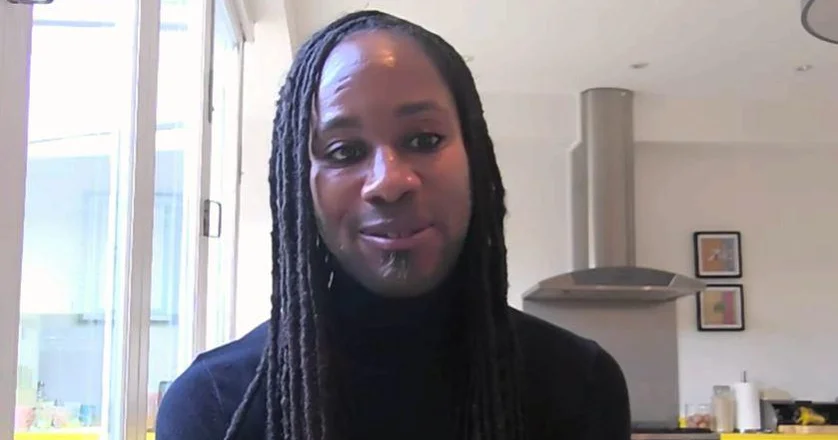
Jason Arday, Cambridge Professor, Dies After Plagiarism Resignation
Bizeconanalysis.com – Jason Arday, the former Cambridge professor who became known for his remarkable journey from childhood struggles to academic success, has died in London at age 41. His death comes just one week after he resigned from his position amid plagiarism allegations and claims of biographical embellishments. According to his family, Arday succumbed to what they described as a sustained campaign of public criticism that proved overwhelming for the gentle scholar.
Family and Community Mourn a Tragic Loss
Arday’s family released a statement expressing their profound grief while defending their loved one against what they characterized as an unfair assault. “Jason was subjected to a campaign of sustained abuse for the more than three years since he accepted the role of Professor at Cambridge University by those who would leave no stone unturned in their quest to undermine him,” the family explained. They added that the relentless pressure proved too much for someone who “always wanted to see the best in everyone.” The family described themselves as being in shock at losing “this amazing father, partner, brother, uncle and son.”
London’s Metropolitan Police confirmed they received a report of a 41-year-old man found unresponsive inside a property at 3:12 p.m. local time on Friday. Officers responded to the scene and pronounced Arday dead at the location. Police stated that his next of kin had been notified and characterized the death as “unexpected, but is not believed to be suspicious.” The case remains under investigation.
Political Leaders Respond to the News
U.K. Prime Minister Andy Burnham addressed reporters on Saturday, describing Arday’s death as “a tragedy on so many levels.” He emphasized that it was “not a moment for any rushing to judgement” and expressed sympathy for everyone who knew Arday personally. “It’s a moment for reflection, I would say, reflecting on how how things came to this,” Burnham stated during his visit to southwest England.
U.K. Education Secretary Lucy Powell also shared her reaction through a social media post, saying she was “deeply shocked & saddened” by the news. “My heartfelt condolences are with his friends and family at this very sad time,” Powell wrote. She urged the public to “give them privacy through this incredibly difficult period & to remember there are real people with loved ones involved.”
Arday’s Remarkable Academic Journey
Arday joined the University of Cambridge in 2023 at age 37, quickly becoming one of Britain’s most prominent academics after sharing his extraordinary personal story. He revealed that he was autistic and dyslexic, did not speak until age 11, and was unable to read or write until he was 18. Born and raised in south London, he pursued a degree in education and physical education at college before earning two master’s degrees and qualifying as a teacher. He subsequently completed his Ph.D. at Liverpool John Moores University.
“Not many teachers at school had any belief in me,” Arday told CBS News in 2023. “Educational psychologists and behavioral therapists were … very robust in their assessment that I would struggle in later life and I would need assisted living.” His journey from these early challenges to becoming a Cambridge professor resonated deeply with many in the academic community and beyond.
The Plagiarism Allegations and Academic Response
Arday resigned from Cambridge on August 5 following the allegations. In his resignation statement, he explained that “The relentless accusations, speculation and public commentary have taken a profound toll on me and on those I love.” He clarified that his departure should not “be mistaken for an acceptance of the narratives that have surrounded me.”
The plagiarism allegations were initially raised by Nathan Cofnas, a philosopher of biology and former Cambridge researcher who has been a vocal critic of diversity, equity, and inclusion policies. Cofnas had previously written that in a meritocracy, “Blacks would disappear from almost all high-profile positions outside of sports and entertainment.” Arday denied any intentional wrongdoing, stating that errors in his academic work were inadvertent and arguing that much of the criticism was ideologically and racially motivated.
Liverpool John Moores University conducted an investigation into allegations concerning Arday’s doctoral thesis and found no evidence of academic misconduct. Meanwhile, articles published by The Times of London and The Telegraph highlighted potential embellishments in Arday’s personal history, including claims that he had raised millions for charity through endurance challenges—claims he later amended.
Broader Implications for Academic Discourse
Supporters of Arday argued that the scrutiny extended beyond legitimate academic concerns into broader cultural debates about meritocracy and representation. They pointed out that while errors were found in his work, these were common in academic publishing and did not necessarily indicate deliberate deception. The case has sparked renewed discussion about how universities handle allegations and the role of public opinion in academic investigations.
Frequently Asked Questions
When did Jason Arday die?
Jason Arday died on Friday in London at the age of 41, approximately one week after resigning from his position at Cambridge University.
What were the plagiarism allegations against him?
The allegations, raised by philosopher Nathan Cofnas, included claims of academic misconduct in Arday’s doctoral thesis and potential embellishments in his personal biography, including charity fundraising claims.
Did any university find evidence of misconduct?
Liverpool John Moores University investigated Arday’s doctoral thesis and found no evidence of academic misconduct. Cambridge University accepted his resignation without formally finding misconduct.
How old was Jason Arday when he joined Cambridge?
Arday joined the University of Cambridge in 2023 at the age of 37, making him one of the university’s youngest professors at the time.