
Jury set in Las Vegas trial of man accused of ordering Tupac Shakur’s 1996 killing
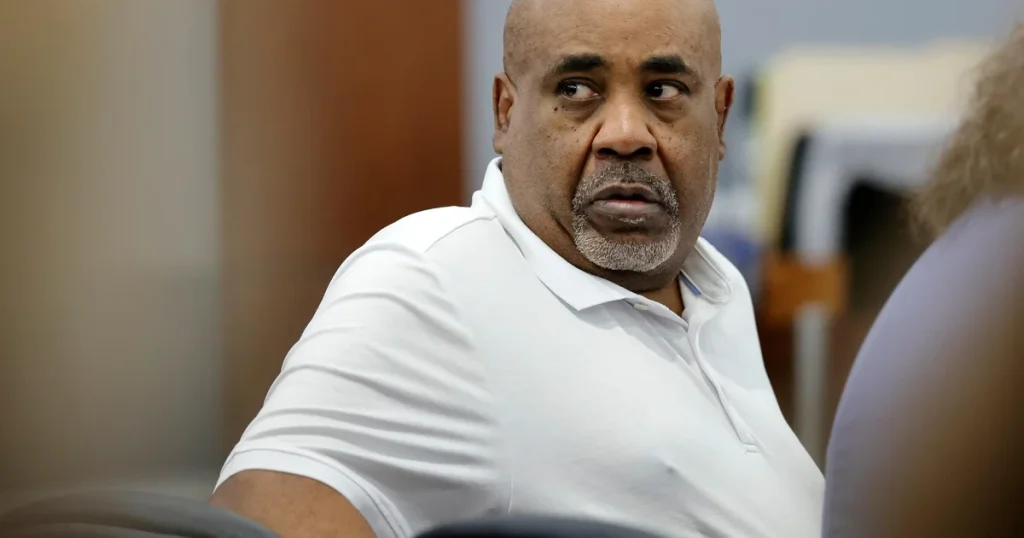
Las Vegas Courtroom Ready for Landmark Tupac Shakur Murder Trial
Bizeconanalysis.com – A courtroom in Las Vegas has been prepared for one of hip-hop’s most anticipated legal proceedings as a jury of sixteen individuals—comprising six men and ten women—was formally selected to consider the case against Duane “Keffe D” Davis. The ex-gang leader faces murder charges for his alleged role in orchestrating the fatal shooting of legendary rapper Tupac Shakur nearly three decades ago, during what many consider a defining era in music history. The trial, which legal experts anticipate will span approximately one month, is scheduled to commence with opening statements on Monday. For countless family members and devoted fans who have followed the case with bated breath for years, this moment represents the culmination of a decades-long search for answers regarding the circumstances surrounding Shakur’s untimely death.
A Pivotal Moment in Hip-Hop History
On September 7, 1996, Shakur was merely twenty-five years old when he was fatally wounded in a drive-by shooting near the Las Vegas Strip. At that time, the rapper was navigating a particularly intense period of competition within the music industry, one characterized by fierce rivalries between different factions and geographic regions. Shakur was riding as a passenger in a BMW vehicle driven by Marion “Suge” Knight, who co-founded Death Row Records—the label that would become synonymous with West Coast hip-hop during the mid-1990s. As the vehicle waited at a red light, gunfire erupted from a nearby Cadillac. Knight emerged from the incident unharmed, but Shakur succumbed to his injuries six days later, leaving the music world in mourning and sparking countless theories about what had transpired that fateful afternoon.
The Accused and the Charges
Duane Davis, now sixty-three years old, was formally charged with murder three years ago by Nevada authorities. Prosecutors have characterized Davis as the “shot caller”—the individual who allegedly directed the events leading to Shakur’s death. Rather than being present at the scene and pulling the trigger himself, prosecutors maintain that Davis made crucial phone calls that set the shooting in motion and provided the weapon used in the attack. Under Nevada law, an individual can be convicted of murder even if they did not personally commit the violent act, provided they assisted another person in carrying out the crime. This legal principle forms the foundation of the prosecution’s case against Davis.
What Made This Trial Possible
The case against Davis experienced a significant revival in 2019 when the defendant published his autobiography, titled “Compton Street Legend.” The book detailed both the shooting that claimed Shakur’s life and Davis’s experiences within the Crips gang. Additionally, statements Davis made during police and media interviews over the years have been instrumental in building the prosecution’s narrative. During the jury selection process, potential jurors were questioned about various topics, including their favorite books and films, their personal feelings regarding gang culture, and whether they had listened to Shakur’s music. These questions helped attorneys determine whether prospective jurors could remain impartial throughout the proceedings.
Key Witnesses and Legal Battles
Among those potentially called to testify is Marion “Suge” Knight, the rap music mogul whose label represented Shakur during his career. Knight has consistently expressed his desire to remain uninvolved in the trial proceedings. Currently serving a twenty-eight-year prison sentence for a 2015 incident in which he ran over and killed a Compton businessman, Knight holds the distinction of being the only surviving person who was present in the vehicle with Shakur at the time of the shooting. Prosecutors anticipate calling between thirty-five and forty-five witnesses to the stand. These individuals will range from eyewitnesses who observed Shakur in the moments before the shooting to associates of both Shakur and Davis from that era. Notably, attorneys have confirmed that Sean “Diddy” Combs will not be among the witnesses, despite Davis’s claims that Combs wanted both Shakur and Knight dead. Davis’s legal team has mounted efforts to prevent certain details from being presented to the jury. They argued that information contained in the “Compton Street Legend” book should be excluded, contending that the work was fictionalized and co-authored, making it difficult to determine which portions Davis personally wrote. Furthermore, the defense maintained that Davis’s previous interview with a federal task force in 2008 was conducted under confidentiality and should not be used against him.
A Legacy Remembered
Tupac Shakur remains widely regarded as one of the most influential rappers in music history. His commercial success has been extraordinary, with more than seventy-five million records sold worldwide. Fans continue to celebrate his work, including enduring hits such as “California Love” and “Dear Mama,” as well as several albums that were released posthumously. If convicted, Davis could face a life sentence. The outcome of this trial will not only determine the fate of one man but may also provide closure to a case that has captivated public attention for nearly thirty years.
Related Reading
Frequently Asked Questions
What is Jury set in Las Vegas trial?
Jury set in Las Vegas trial is the main topic of this guide. The article explains the context, practical details, and next steps readers should understand.
Why does Jury set in Las Vegas trial matter?
Jury set in Las Vegas trial matters because readers are looking for a useful answer, not just a short summary. Good content should match search intent and help them decide what to do next.