
Airlines are banning humanoid robots from flights. Why?
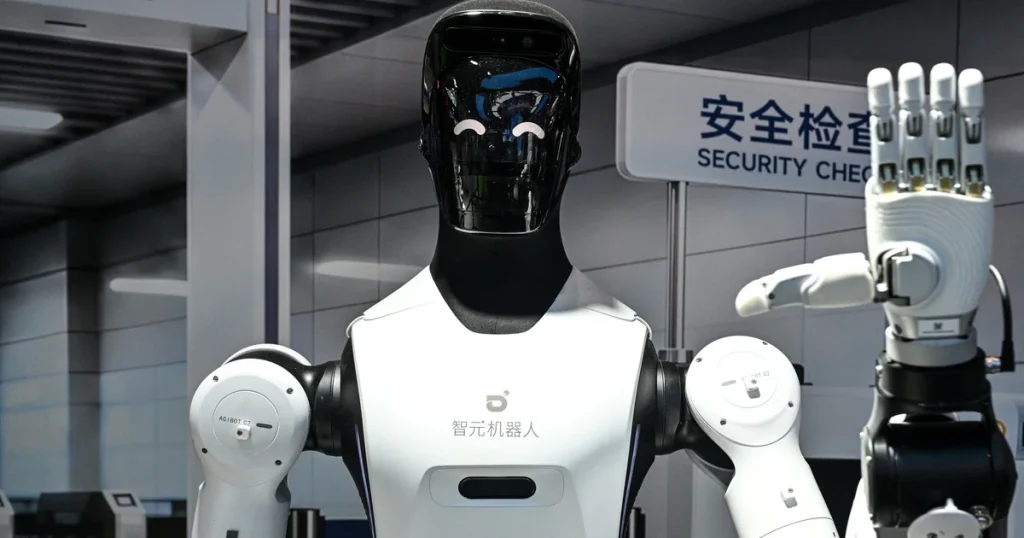
Airlines are banning humanoid robots: What travelers need to know
Bizeconanalysis.com – Major U.S. carriers are implementing new restrictions on humanoid robots aboard commercial flights, marking a significant shift in how airlines handle emerging passenger technology. The policy changes come after Southwest Airlines experienced an incident earlier this year when a passenger attempted to board with a robot companion, prompting the carrier to establish clear guidelines. While humanoid robots remain relatively uncommon outside research laboratories and manufacturing facilities, industry experts predict widespread adoption within the coming decade.
Battery safety concerns drive the new regulations
United Airlines announced its comprehensive ban on what it describes as “humanoid and animal-like robots” in both aircraft cabins and checked baggage. The policy, which took effect on July 23, represents a proactive approach to passenger safety rather than a reaction to a specific incident. According to a United spokesperson, the airline believes this change will help further ensure the safety of customers and crews. The carrier noted that lifelike robots are often powered by the same types of lithium batteries already restricted on its flights.
Delta Air Lines followed a similar path in June, implementing restrictions on “human- or animal-like robotic devices” across all flight categories. A Delta spokesperson explained that the airline continually reviews emerging technologies and updates policies to maintain the highest safety standards. The specific concern centers on robotic devices containing lithium batteries that exceed allowed watt-hour limitations, which can pose both safety and security risks during air travel.
“We continually review emerging technologies and update our policies to maintain the highest safety standards,” a Delta spokesperson said in a statement to CBS News.
JetBlue and American Airlines currently maintain different positions on the issue. Both carriers have not yet implemented formal bans on humanoid robots, though they have not provided detailed timelines for potential policy changes. Representatives from both airlines did not immediately respond to requests for comment regarding their current stance on robot travel.
Expert perspective on the technology and regulations
Ravinder Dahiya, a professor and roboticist at Northeastern University’s College of Engineering, provided valuable insight into the technical aspects of the situation. He explained that most humanoid robots today rely on heavy lithium-ion batteries that can present fire hazards if they explode or are mishandled during transport. Dahiya expressed support for the safety measures while acknowledging the challenges they create for researchers.
“When it comes to safety, I’m not opposed to the bans at all. But as a researcher, you desire to carry out your research freely, without hindrance,” he said, noting that “sometimes you have to take robots along with you for demonstrations.”
The battery safety concerns align with broader aviation regulations. Lithium-ion batteries have been subject to increasing scrutiny since incidents involving electronic devices overheating or catching fire. Airlines typically restrict batteries exceeding certain watt-hour capacities in both carry-on and checked luggage. The new robot policies essentially extend these existing battery restrictions to encompass the growing category of robotic companions.
Industry observers note that the timing of these bans coincides with rapid advancement in robotics technology. Companies like Boston Dynamics, Tesla, and various startups are developing increasingly sophisticated humanoid robots capable of navigation, communication, and even basic tasks. Elon Musk and other technology advocates have predicted that humanoid robots will become commonplace in homes and workplaces within the next ten years.
For travelers planning to transport robots in the near future, understanding these policies is essential. Passengers should check with their specific airline before attempting to bring any robotic device aboard. The restrictions typically apply to both cabin and checked baggage, though some carriers may offer exceptions for properly packaged devices with batteries below the watt-hour threshold.
Frequently asked questions about robot travel
When did airlines start banning humanoid robots? Southwest Airlines initiated the trend earlier this year following a passenger incident. United Airlines implemented its policy on July 23, while Delta Air Lines announced its restrictions in June.
Are all robots banned or just humanoid ones? The policies specifically target humanoid and animal-like robotic devices. Smaller pet robots and non-anthropomorphic devices may still be permitted depending on battery specifications.
What battery specifications are restricted? Robotic devices containing lithium batteries that exceed allowed watt-hour limitations face restrictions. Most airlines follow standard lithium battery guidelines for personal electronic devices.
Do the bans apply to checked luggage? Yes, United and Delta both include checked baggage in their restrictions. Passengers should ensure robots are properly packaged if checking them.
Which airlines currently allow humanoid robots? JetBlue and American Airlines have not yet implemented formal bans, though travelers should verify current policies before booking.